Rome
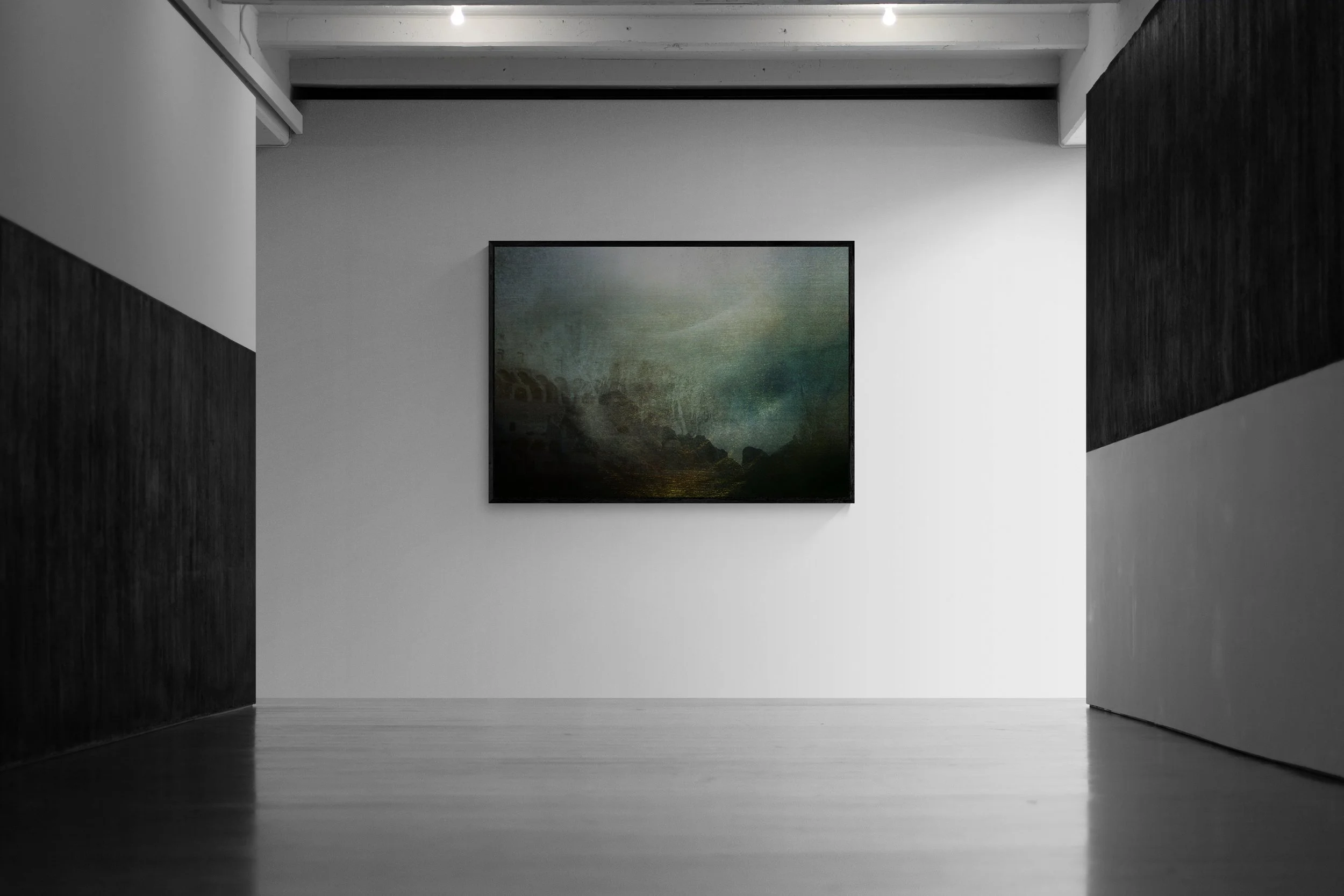
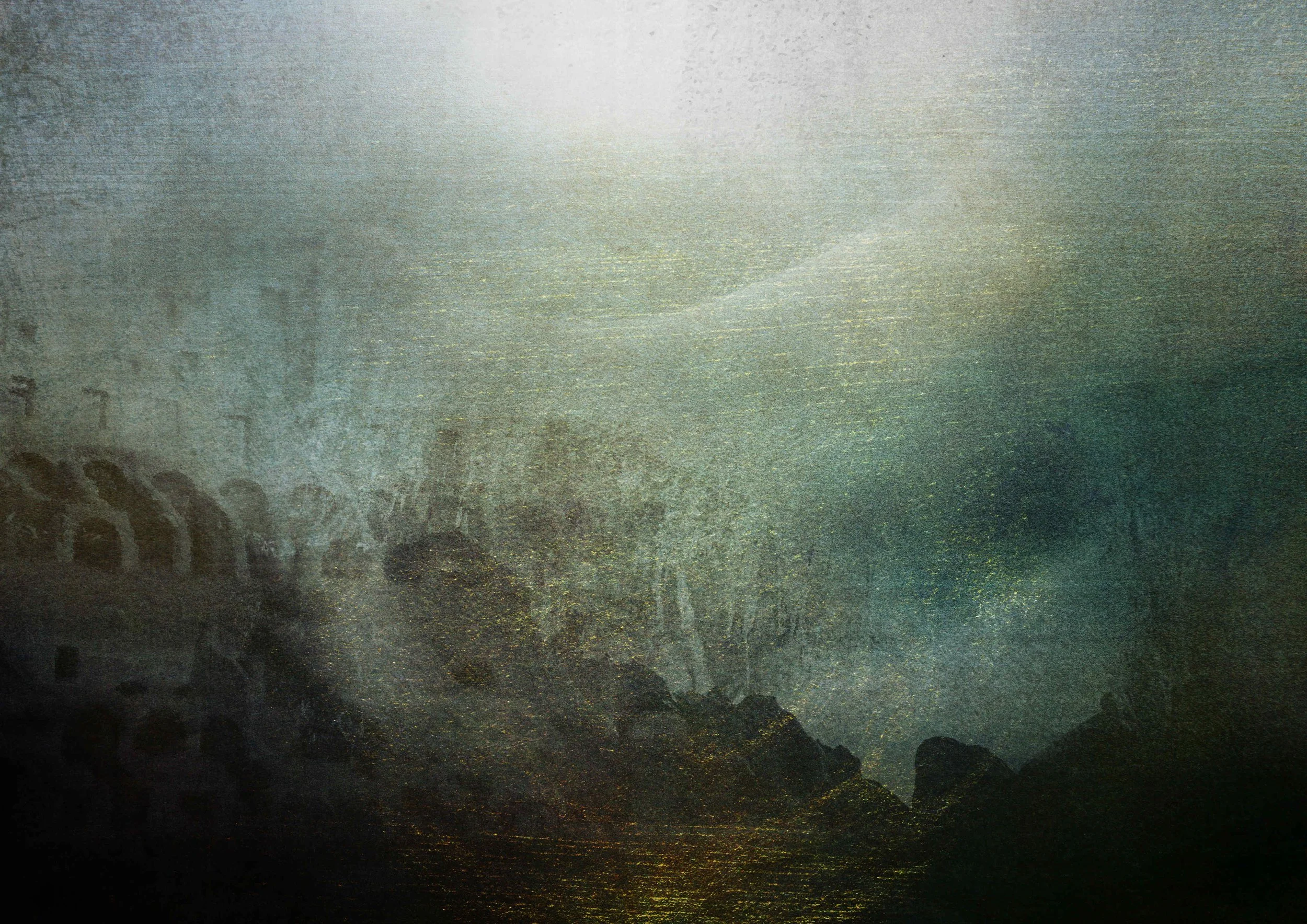
Rome depicts ancient architecture at the point where its constructed form begins to dissolve back into the material from which it was made. Stone, once cut, shaped, and assembled into an artificial order, gradually loses its boundaries and returns to a more elemental state.
The remaining arches and fragments still suggest the presence of architecture, but their structure is no longer stable. Forms soften, edges disappear, and the distinction between building, earth, light, and mineral matter begins to collapse.
The work is not concerned with ruins simply as traces of the past. It imagines a longer process in which human construction is only temporary. Given enough time, the stone that once formed walls and arches returns to the geological world from which it originated.
Rome explores this transition from architecture back to matter, where artificial order slowly gives way to the deeper continuity of nature.