
Yasuo Oda (小田康夫) — 神々の肖像 / Mystical Lights (The frame is for the Japanese edition.)
Click the Image to View the Collection Available in the US
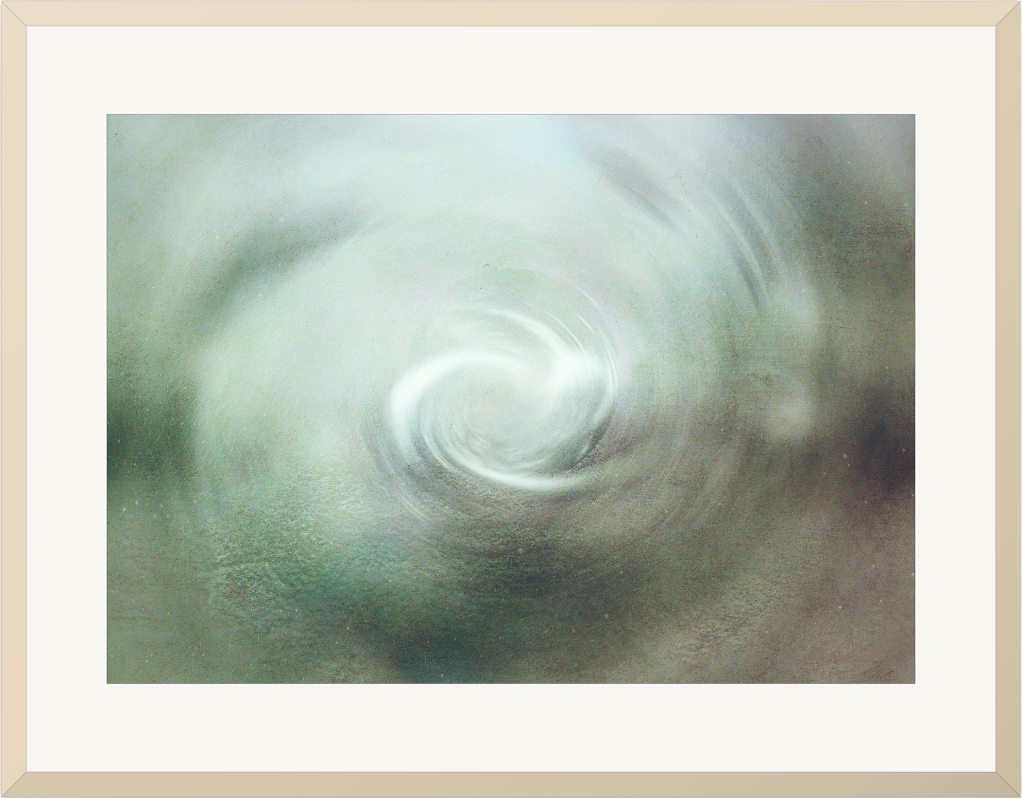
天之御中主神(アメノミナカヌシノミコト)
天と地がまだ形を成していなかった頃、最初に現れた神が天之御中主神です。日本最古の歴史書『古事記』の冒頭に登場し、その名は「天の中心を司る神」を意味します。しかし、他の神々とは異なり、具体的な姿も行動も語られていません。登場するとすぐに神話の表舞台から姿を消してしまいます。この謎めいた存在は、目に見えるものが生まれる以前の、あらゆる存在の根源を象徴しています。
ORIGIN — Amenominakanushi-no-Mikoto
Before heaven and earth took shape, Amenominakanushi appeared as the first deity in the Kojiki, Japan's oldest surviving chronicle. His name means "Lord of the Center of Heaven," yet unlike other gods, he has no recorded deeds or physical form. He disappears from the mythology almost as soon as he appears. This mysterious presence represents the ultimate origin of existence, a beginning beyond anything visible or tangible.
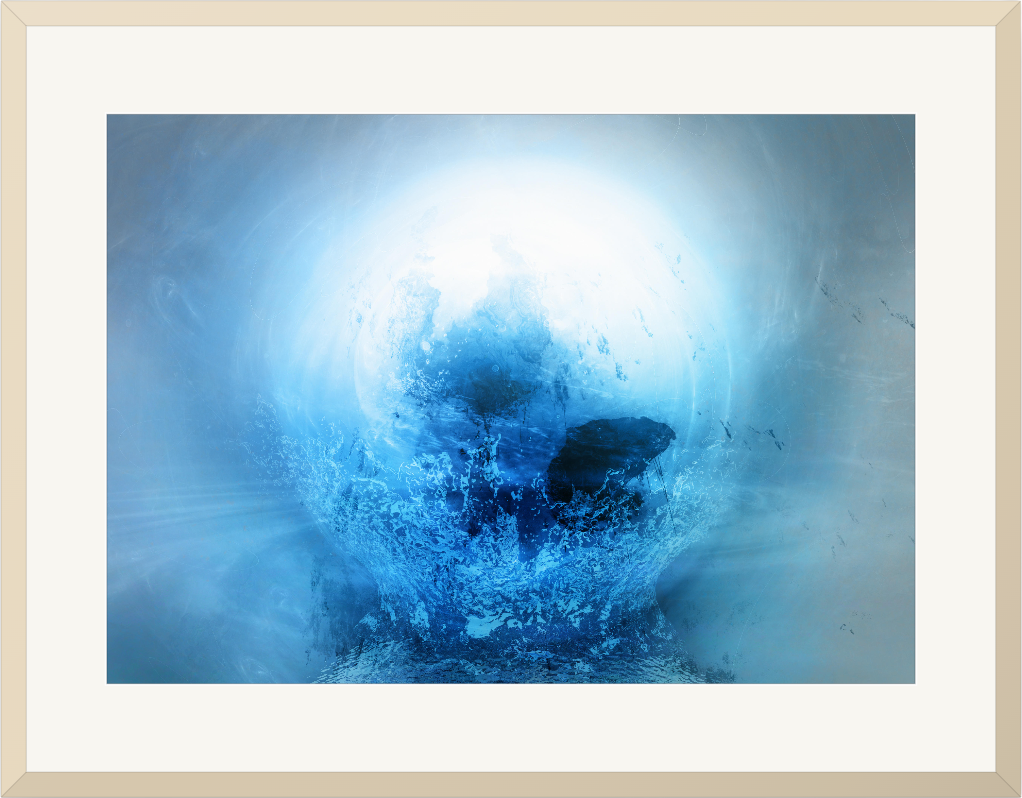
国常立神(クニトコタチノミコト)
国常立神は、日本神話の最初期に現れる神の一柱です。日本の国土が生まれる以前に出現し、その名は、大地を永続的に支える存在を意味します。自ら国土を創造するのではなく、創造を可能にする揺るぎない基盤を象徴する神です。絶えず変化する世界の中で、変わることなく存在し続けるもの。その強さと安定こそが、国之常立神の本質です。
FOUNDATION — Kunitokotachi-no-Mikoto
Kunitokotachi is one of the earliest deities in Japanese mythology, appearing before the creation of the Japanese islands. His name is associated with the enduring foundation upon which the world takes shape. Rather than creating the land himself, he represents the stability that makes creation possible. His significance lies in the strength of what remains constant beneath a world of continual change.
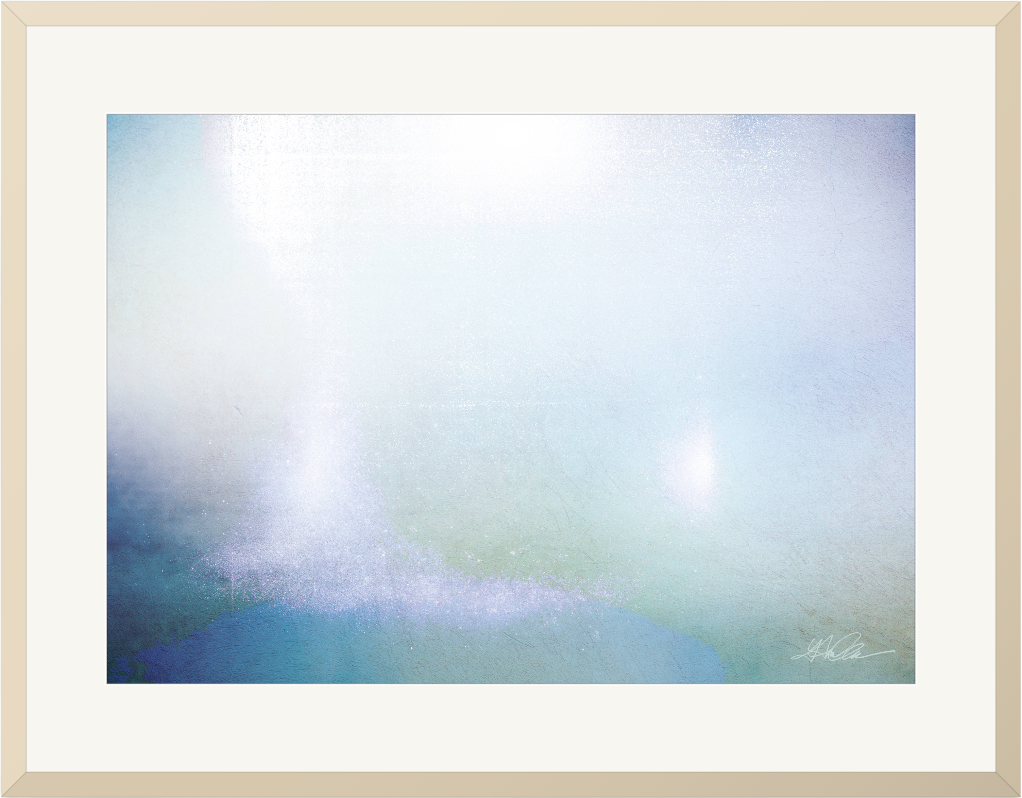
菊理媛神(ククリヒメノミコト)
生と死の境界で、伊邪那岐命と伊邪那美命が激しく対立した時、菊理媛神が姿を現しました。菊理媛神は伊邪那岐命に何かを告げ、伊邪那岐命はその言葉を受け入れました。しかし、何を語ったのかは伝えられていません。後世、菊理媛神は争いを鎮め、人と人を結びつける神として信仰されるようになりました。対立を解き、離れたものを再び結びつける力。そこに、この神の特別な存在意義があります。
HARMONY — Kukurihime-no-Kami
At the boundary between life and death, Kukurihime appeared before Izanagi and Izanami as they faced a bitter separation. She spoke to Izanagi, who accepted her words, although what she said remains unknown. Later generations came to honor her as a goddess who restores harmony and brings people together. Her story suggests a remarkable kind of strength: the ability to resolve conflict and reconnect what has been divided.
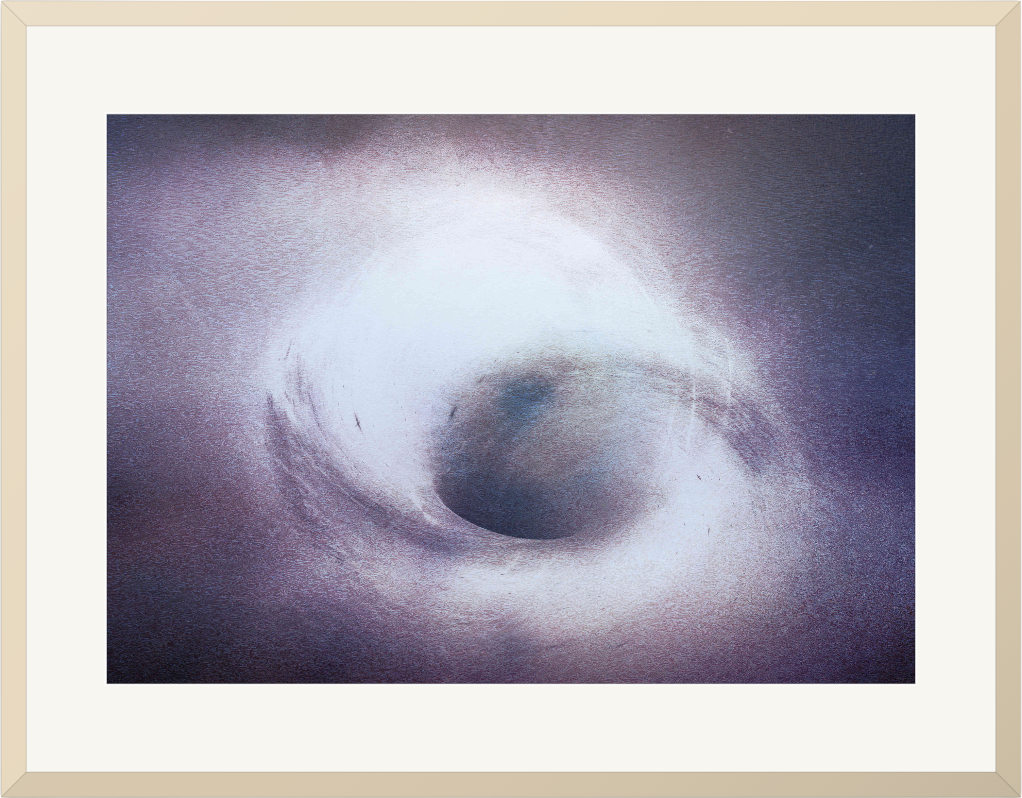
伊邪那岐神(イザナギノミコト)
伊邪那岐命は、伊邪那美命とともに日本の島々を生み、数多くの神々を誕生させました。しかし、創造の喜びは、妻の死によって悲劇へと変わります。妻を取り戻そうと黄泉の国まで追いかけましたが、二人は永遠に別れることになりました。その後、伊邪那岐命が水で身を清めると、天照大御神をはじめとする新たな神々が生まれました。創造、喪失、そして再生。伊邪那岐命の物語は、大きな悲しみを経てもなお続いていく生命の営みを伝えています。
CREATION — Izanagi-no-Mikoto
Together with Izanami, Izanagi created the islands of Japan and gave birth to countless deities. But creation was followed by tragedy when Izanami died, and his desperate journey to the underworld ended in their final separation. Upon returning, he purified himself in water, giving birth to new gods, including Amaterasu, the sun goddess. His story brings together creation, loss, and renewal, revealing how life continues even after profound change.
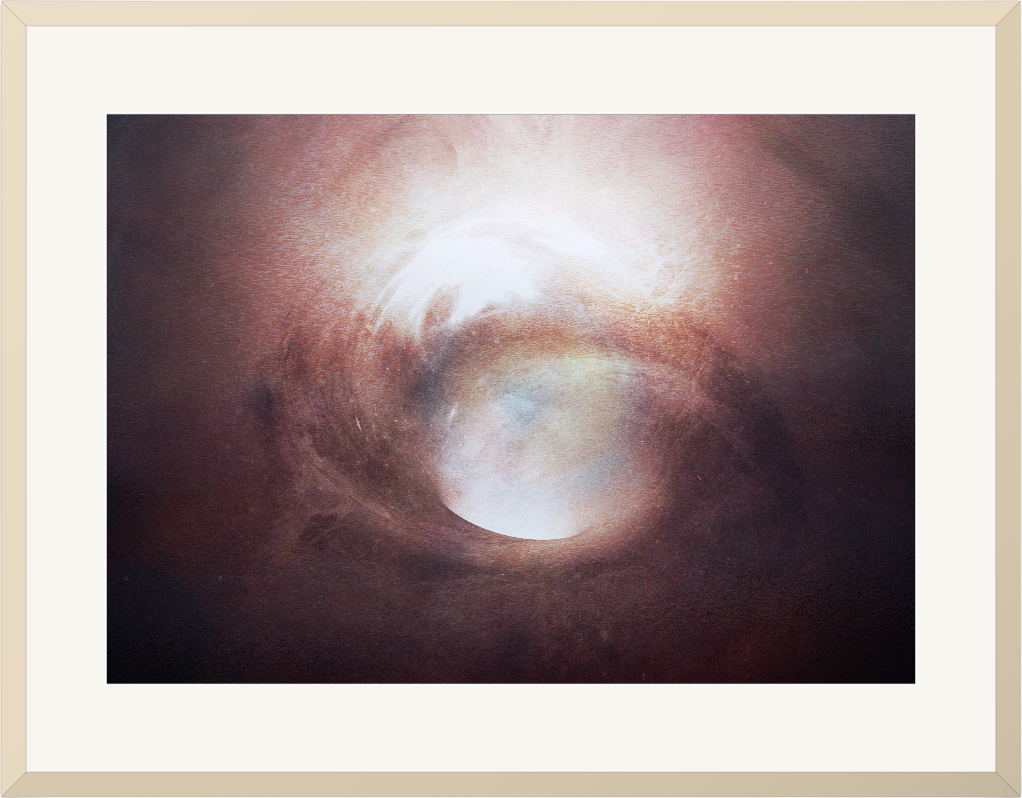
伊邪那美神(イザナミノミコト)
伊邪那美命は、日本神話を代表する母なる神です。伊邪那岐命とともに日本の島々や数多くの神々を生み出しました。しかし、火の神を出産した際に命を落とし、黄泉の国の神となります。かつて生命を生み出した女神が、今度は生命の終わりを象徴する存在へと変わったのです。この劇的な変化は、創造と死が切り離せないものであり、ともに生命の世界を形づくっていることを物語っています。
REBIRTH — Izanami-no-Mikoto
Izanami is one of the great mother figures of Japanese mythology. Together with Izanagi, she gave birth to the islands of Japan and many of its gods. Yet she died while giving birth to the fire deity and became a goddess of the underworld. Once the source of life, she came to embody its inevitable end. Her extraordinary transformation reveals the inseparable relationship between creation and death, two forces that shape the existence of all living things.
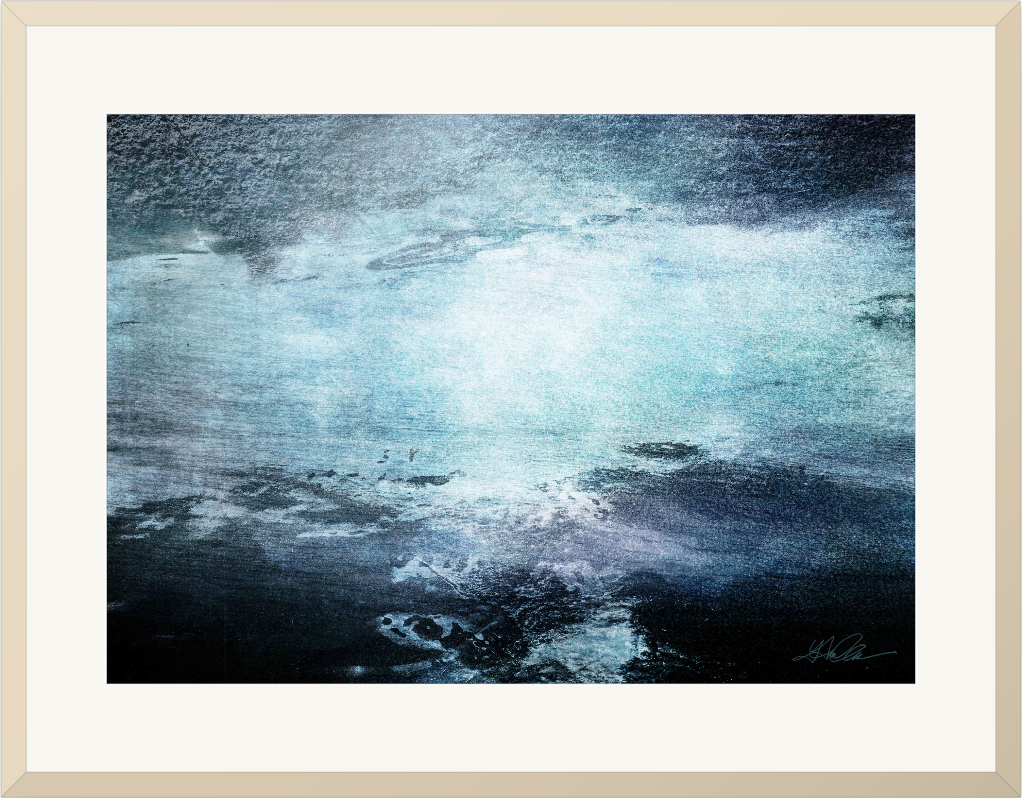
瀬織津姫(セオリツヒメ)
瀬織津姫は、罪や穢れを川の流れに乗せて海へと運び去る、祓い清めの女神です。古代から伝わる大祓詞に登場し、水が持つ浄化の力を象徴しています。その働きは、単に汚れを洗い流すことにとどまりません。積み重なったものを手放し、新たな始まりを迎えること。瀬織津姫は、そうした再生の力をも体現する神です
PURIFICATION — Seoritsuhime
Seoritsuhime is a goddess of purification, believed to carry away sins and impurities through the flowing waters of rivers into the sea. Appearing in Japan's ancient Great Purification Prayer, she represents the power of water to cleanse and restore. Her significance extends beyond physical purification to the idea of renewal itself: the release of what has accumulated, allowing life to begin afresh.
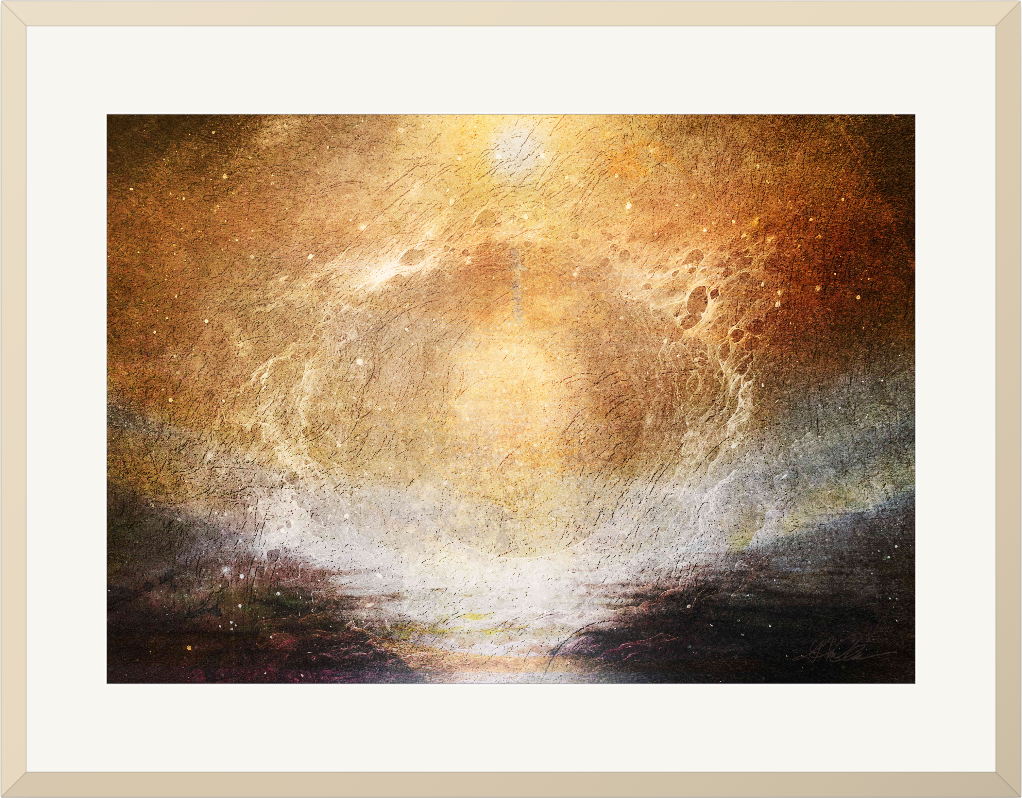
天照大御神(アマテラスオオミカミ)
天照大御神は、太陽を司る女神であり、日本神話において最も重要な神の一柱です。天照大御神が天岩戸に身を隠すと、世界は闇に包まれてしまいました。しかし、他の神々の働きかけによって再び姿を現すと、世界に光が戻りました。この有名な神話は、天照大御神の存在がいかに大切であるかを物語っています。生命を育み、希望を取り戻し、闇から世界を解き放つ光。それが天照大御神の象徴する力です。
RADIANCE — Amaterasu Ōmikami
Amaterasu is the sun goddess and one of the most important deities in Japanese mythology. When she withdrew into a heavenly cave, the world fell into darkness. Only when the other gods persuaded her to emerge did light return. This celebrated myth reveals the profound importance of her presence. Amaterasu represents the light that sustains life, restores hope, and brings the world out of darkness.
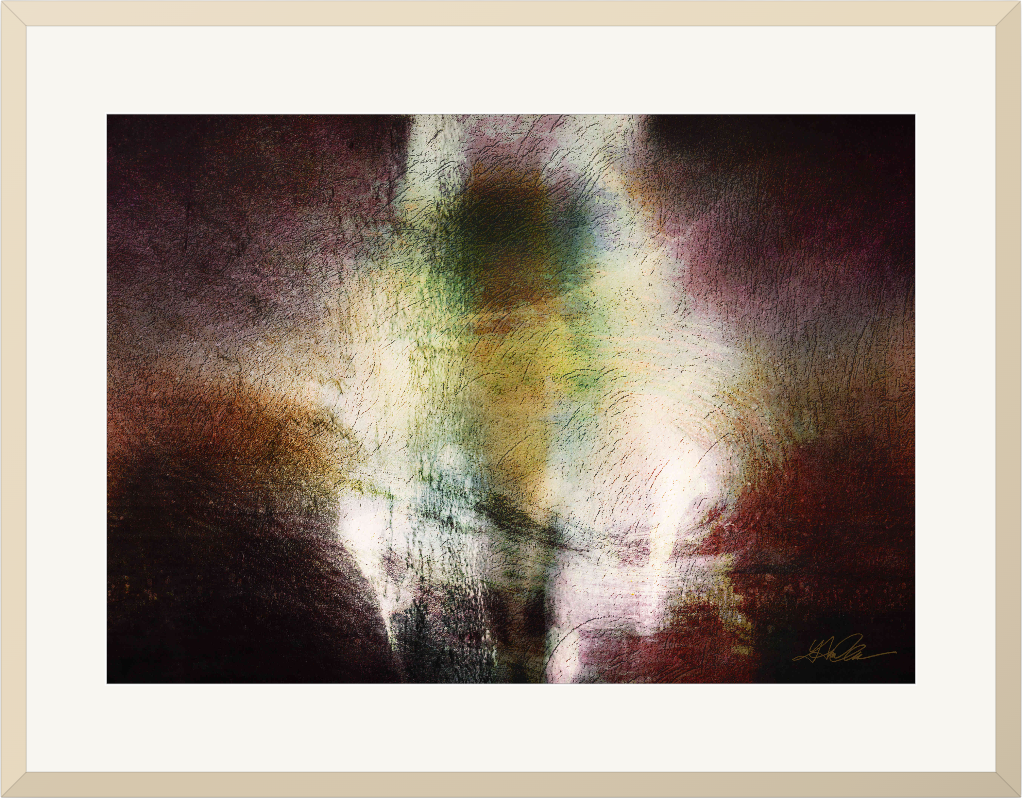
素戔嗚尊(スサノオノミコト)
素戔嗚尊は、日本神話の中でも特に複雑な性格を持つ神です。激しく予測のつかない行動で天上界を混乱させ、ついには追放されてしまいます。しかし、地上に降りた素戔嗚尊は、恐ろしい八つの頭を持つ大蛇、八岐大蛇を退治し、若い娘を救う英雄となりました。破壊的な存在から勇敢な守護者へ。その変貌は、困難を乗り越え、新しい道を切り開く力を象徴しています。
BREAKTHROUGH — Susanoo-no-Mikoto
Susanoo is one of the most complex figures in Japanese mythology. Fierce and unpredictable, he caused such turmoil in heaven that he was eventually banished. Yet on earth, he became a hero by defeating the monstrous eight-headed serpent Yamata no Orochi and rescuing a young woman. His transformation from a destructive force into a courageous protector makes him a powerful symbol of overcoming adversity and finding a new path.
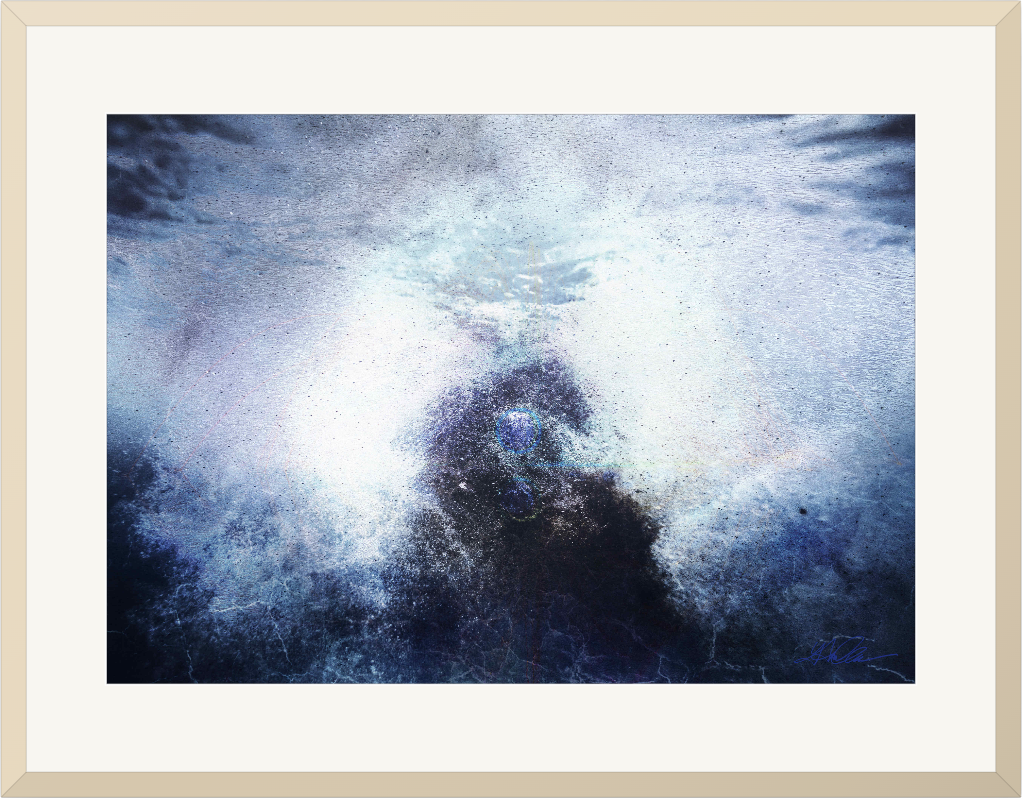
月読命(ツクヨミノミコト)
月読命は、天照大御神、素戔嗚尊とともに生まれた、謎の多い月の神です。天照大御神が太陽の光で世界を照らすのに対し、月読命は夜を司ります。ある神話では、二柱の対立によって太陽と月が永遠に離れてしまったと語られています。他の神々に比べ、月読命が登場する物語はごくわずかです。その神秘的な存在と静かな月の光は、静寂と神秘、そして深い思索を思わせます。
REFLECTION — Tsukuyomi-no-Mikoto
Tsukuyomi is the mysterious moon god, born alongside Amaterasu and Susanoo. While Amaterasu illuminates the world with sunlight, Tsukuyomi governs the night. In one ancient account, a conflict between them caused the sun and moon to remain forever apart. Unlike many other deities, Tsukuyomi appears in very few stories. His elusive presence, associated with the quiet light of the moon, evokes stillness, mystery, and contemplation.
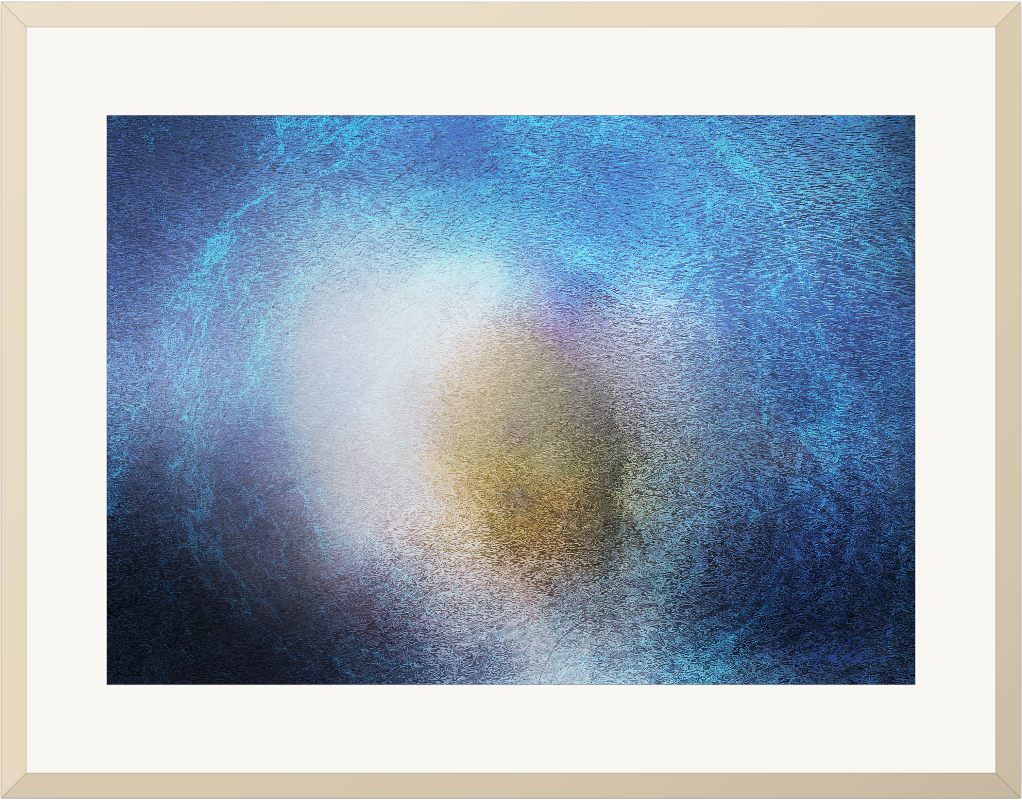
饒速日命(ニギハヤヒノミコト)
饒速日命は、天の乗り物に乗って地上へ降り立ち、癒やしや守護の力を持つとされる十種神宝をもたらした神です。神武天皇よりも先に大和の地へ到着し、後に神武天皇の権威を認めたことで、古代日本の建国伝承に重要な役割を果たしました。また、物部氏の祖神としても崇敬されています。饒速日命は、知識や霊的な力、文化の遺産が世代を超えて受け継がれていくことを象徴しています。
LEGACY — Nigihayahi-no-Mikoto
Nigihayahi is a heavenly deity who descended to Japan aboard a celestial vessel, bringing the Ten Sacred Treasures, associated with healing and protection. Arriving in Yamato before Emperor Jimmu, he later acknowledged Jimmu's authority, becoming an important figure in the founding traditions of ancient Japan. Revered as the ancestral deity of the Mononobe clan, Nigihayahi represents the transmission of knowledge, spiritual power, and cultural heritage from one generation to the next.
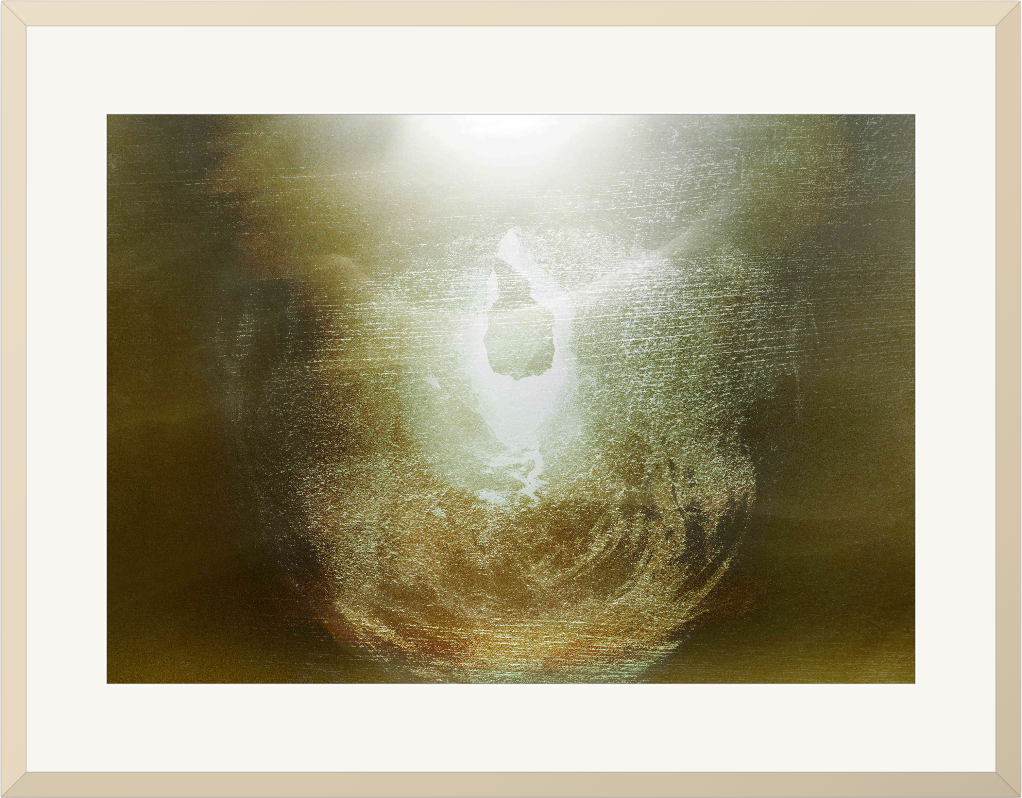
大国主命(オオクニヌシノミコト)
大国主命は出雲を代表する神で、数々の苦難を乗り越えて豊かな国を築いたことで知られています。少名毘古那神と協力し、農業や医療の知識を広め、人々の暮らしを豊かにしました。しかし、国づくりを成し遂げた後、その支配を天つ神に譲り、目に見えない世界を司る存在となります。今日では特に、縁結びの神として親しまれています。人と人を結び、その運命を形づくる目に見えない絆。それが大国主命の象徴する力です。
CONNECTION — Ōkuninushi-no-Mikoto
Ōkuninushi is the great deity of Izumo, celebrated for overcoming extraordinary hardships and building a prosperous land. Working with Sukunahikona, he brought knowledge of agriculture and medicine to improve people's lives. Yet after establishing his realm, he surrendered its rule to the heavenly gods and became associated with the unseen world. Today, he is especially beloved as the god of en-musubi, the bonds that connect people and shape their destinies.
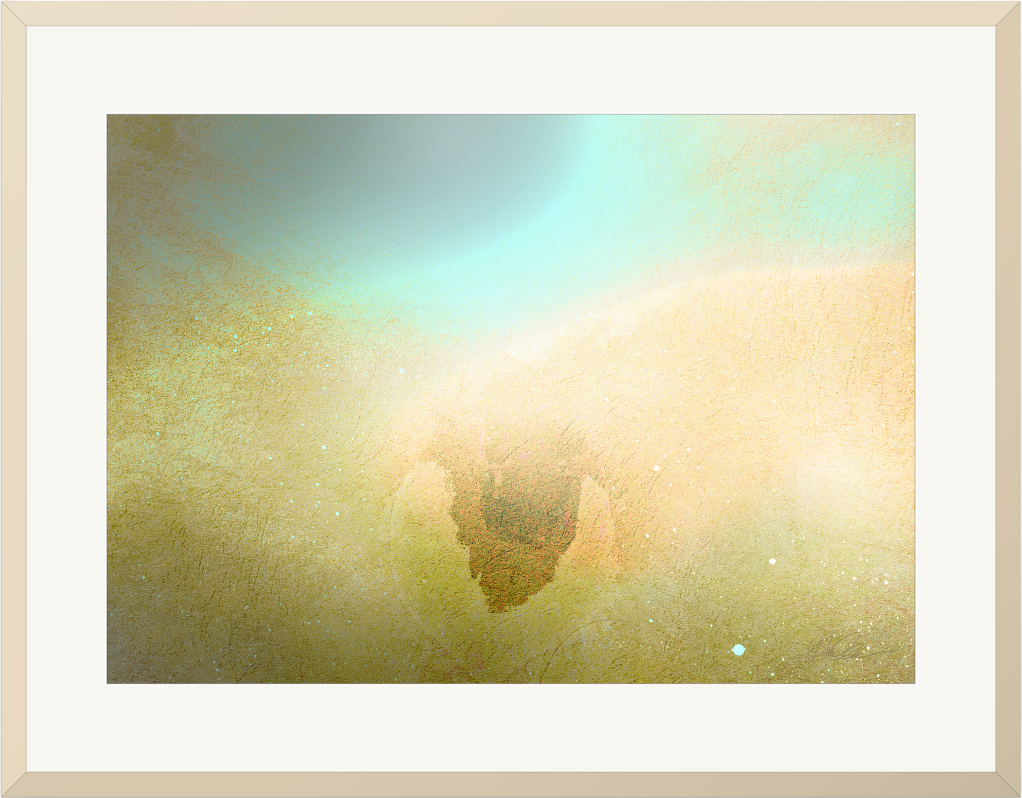
磐長姫(イワナガヒメ)
磐長姫は木花咲耶姫の姉であり、岩のような不変の強さと長寿を象徴する女神です。日本神話では、瓊瓊杵尊が美しい妹を選び、磐長姫を送り返してしまいます。その結果、子孫の命は岩のように永遠には続かず、花のように短くなったと伝えられています。妹が儚い生命の美しさを象徴するのに対し、磐長姫は永続するものの価値を体現しています。時の流れに耐え、変わらずにあり続けるもの。その尊さを伝える女神です。
ETERNITY — Iwanagahime
Iwanagahime, the elder sister of Konohanasakuya-hime, represents the enduring strength of stone and the promise of longevity. In Japanese mythology, Ninigi rejected her in favor of her beautiful younger sister. As a consequence, his descendants were destined to live briefly like flowers rather than endure like rocks. While her sister symbolizes the beauty of a fleeting life, Iwanagahime embodies permanence, reminding us of the value of what withstands the passage of time.
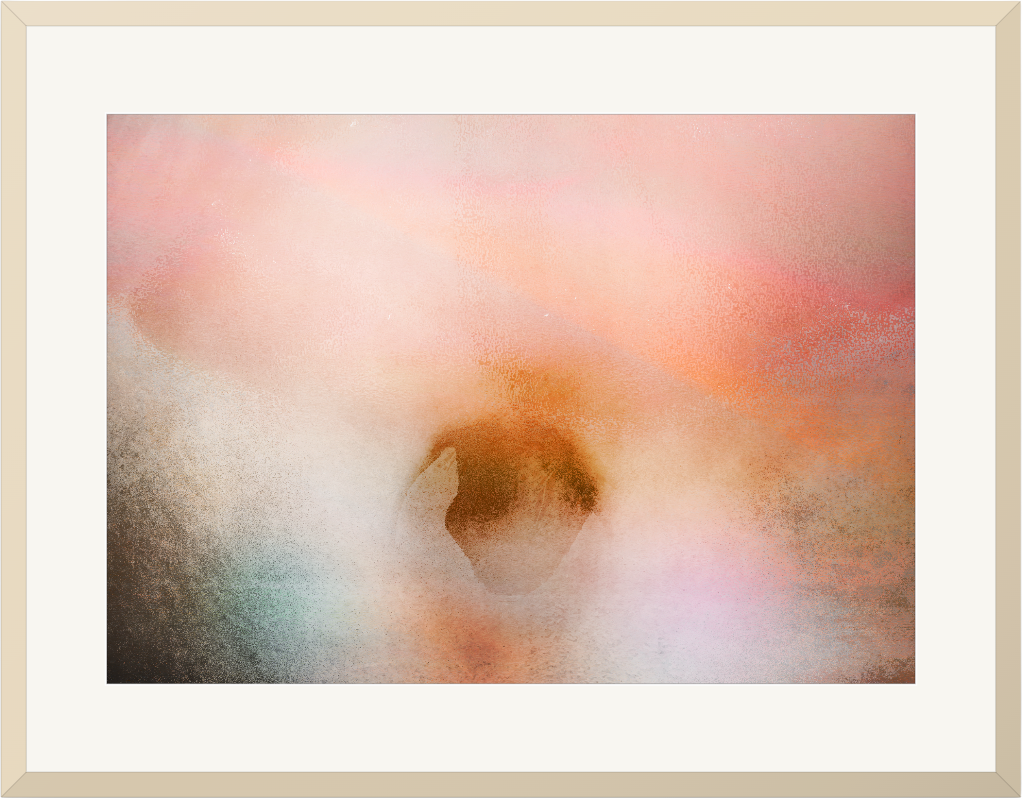
木花咲耶姫(コノハナサクヤヒメ)
木花咲耶姫は、桜の花と生命の活力を象徴する、富士山の美しい女神です。しかし、その優美な姿の内には、並外れた強さが秘められています。夫から身ごもった子の父親を疑われた時、木花咲耶姫は燃え盛る産屋に入り、無事に子供を産むことで自らの潔白を証明しました。この神話は、花の儚い美しさを、勇気と決意、そして過酷な状況でも生命を育む強さへと結びつけています。
RESILIENCE — Konohanasakuya-hime
Konohanasakuya-hime is the beautiful goddess of Mount Fuji, associated with cherry blossoms and the vitality of life. Yet behind her delicate image lies extraordinary strength. When her husband questioned the fatherhood of her unborn children, she entered a burning hut and gave birth safely, proving her innocence. Her legend transforms the fleeting beauty of flowers into a symbol of courage, determination, and the power of life to flourish even under the harshest conditions.
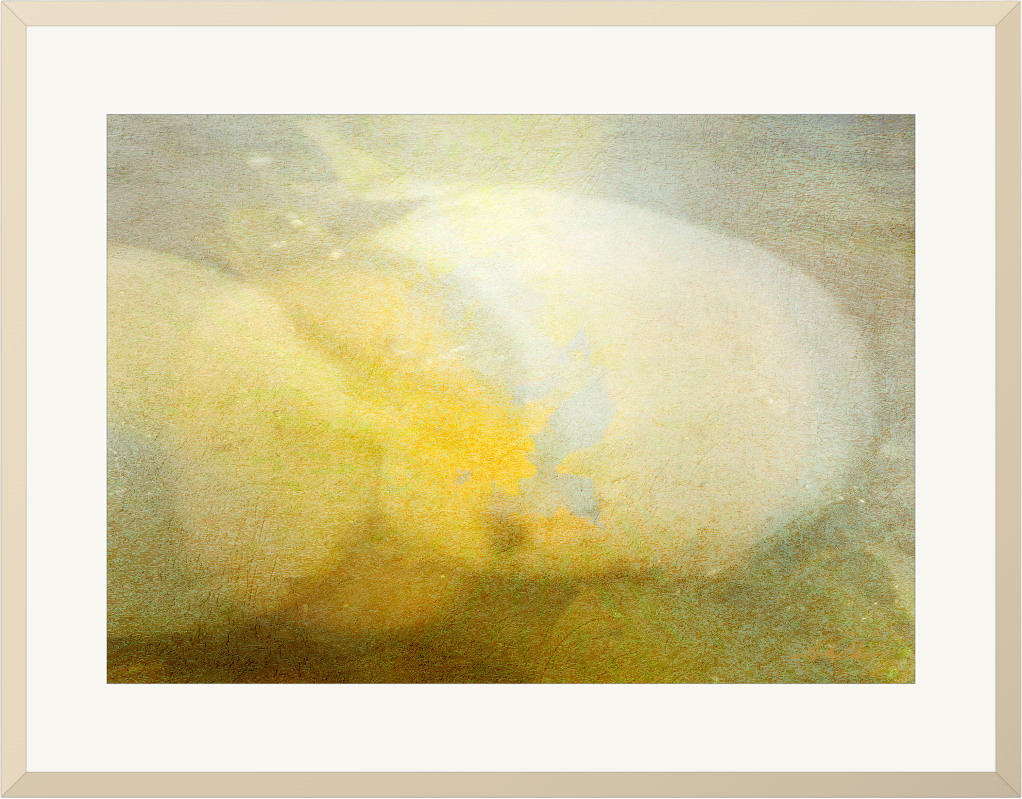
市寸島比売命(イチキシマヒメノミコト)
市杵島姫命は、古くから海を渡る人々を守ってきた宗像三女神の一柱です。厳島神社に祀られる神として知られ、後に仏教の弁財天とも結びつき、音楽、芸術、豊かさを司る存在としても信仰されるようになりました。その力は、航海の安全を守ることから、人々の創造的な営みを豊かにすることへと広がっています。市杵島姫命は、水が生命を育む力と、自然から人間の文化へと流れ込む豊かさを象徴しています。
FLOW — Ichikishimahime-no-Mikoto
Ichikishimahime is one of the three Munakata goddesses, revered for protecting those who travel across the sea. Enshrined at the celebrated Itsukushima Shrine, she later became associated with Benzaiten, the Buddhist goddess of music, art, and prosperity. Her influence thus extends from the protection of sailors to the flourishing of artistic creativity. She represents the life-giving qualities of water and the richness that flows from nature into human culture.
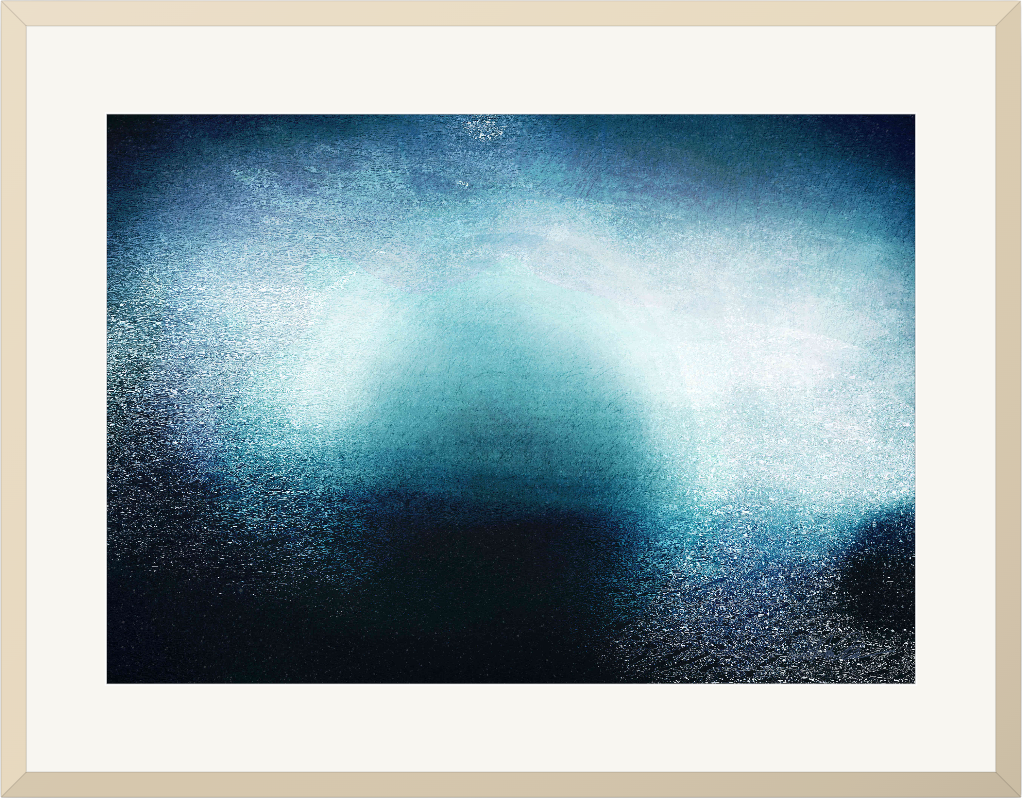
湍津姫命(タギツヒメノミコト)
湍津姫命は、古代から航海する人々を守護してきた宗像三女神の一柱です。その名は激しく流れる水や急流に結びつき、日本と大陸の間に広がる力強い海を思わせます。危険な海を渡る人々にとって、神々の加護は欠かせないものでした。湍津姫命は、絶えず動き続ける水の力を体現しています。それは、不確かな状況の中でも前へ進もうとする活力と意志を象徴しています。
MOMENTUM — Tagitsuhime-no-Mikoto
Tagitsuhime is one of the three Munakata goddesses who have protected seafarers since ancient times. Her name is associated with rushing currents and turbulent waters, recalling the powerful seas between Japan and the Asian continent. To those who crossed these dangerous waters, divine protection was essential. Tagitsuhime embodies the force of water in constant motion, suggesting the energy and determination needed to move forward through uncertainty.
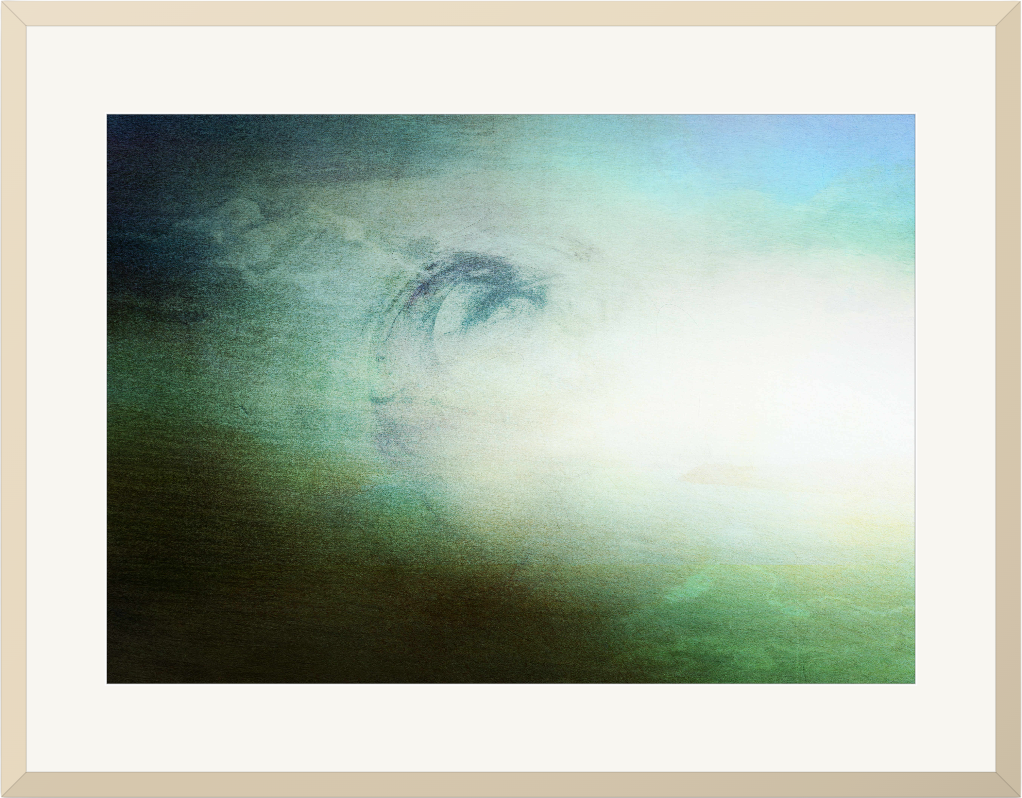
田心姫命(タゴリヒメノミコト)
田心姫命は宗像三女神の一柱で、神聖な沖ノ島に祀られています。古くから、日本と朝鮮半島の間の危険な海を渡る人々は、この航路で神々の加護を祈ってきました。その名は、海を覆い、航海を困難にする霧とも結びつけられています。未知の世界へ向かう人々を守る田心姫命は、危険からの保護と、安全な道を見つける希望を象徴する神です。
GUIDANCE — Tagorihime-no-Mikoto
Tagorihime is one of the three Munakata goddesses, worshipped on the sacred island of Okinoshima. For centuries, sailors crossing the dangerous waters between Japan and the Korean Peninsula sought divine protection along this route. Her name is associated with the mist that can obscure the sea and make navigation perilous. As a guardian of those who venture into the unknown, she represents protection and the hope of finding a safe passage.
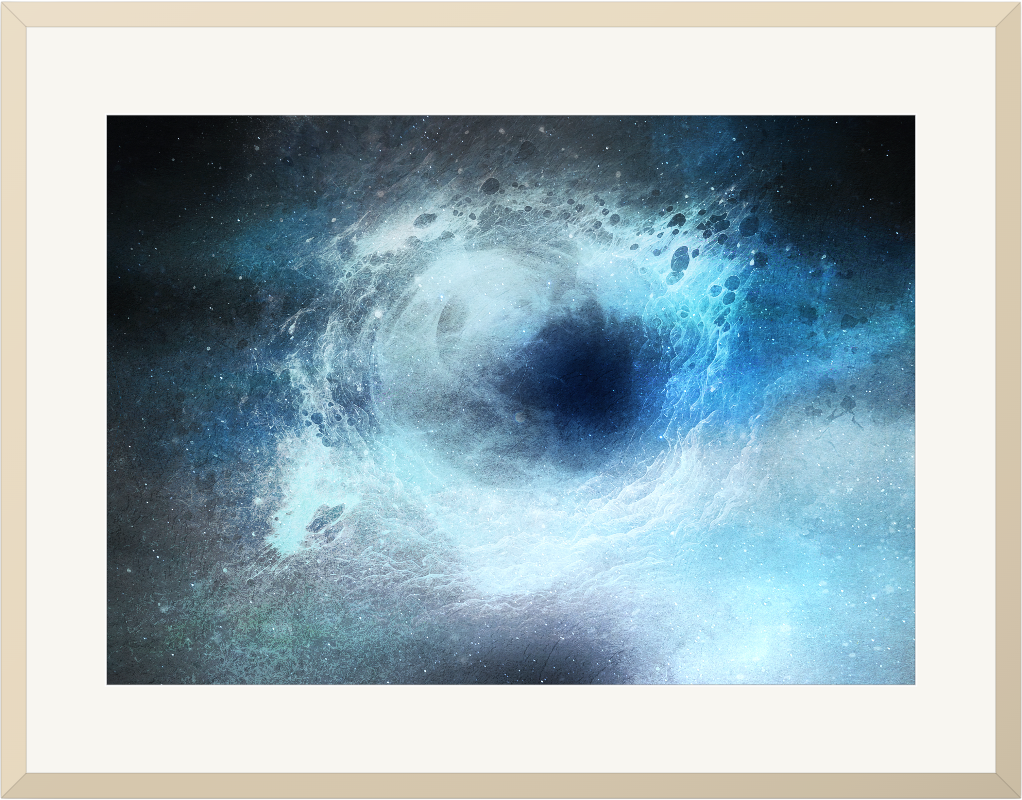
倭建命(ヤマトタケルノミコト)
倭建命は、日本神話を代表する伝説的な英雄です。並外れた勇気と数々の武勲で知られていますが、その生涯には孤独や喪失、悲劇がつきまといます。危険な遠征を命じられ、幾多の強敵を打ち破りながら、愛する妻を失い、最後は故郷から遠く離れた地で命を落としました。伝説では、その魂は白い鳥となって空へ飛び立ったとされています。倭建命の勇気は、英雄としての栄光だけでなく、その陰にある人間的な苦しみと切り離すことができません。
COURAGE — Yamato Takeru-no-Mikoto
Yamato Takeru is one of Japan's most celebrated legendary heroes, renowned for his extraordinary courage and military achievements. Yet his story is also marked by loneliness, loss, and tragedy. Sent on dangerous expeditions, he repeatedly overcame formidable enemies, only to lose his beloved wife and eventually die far from home. According to legend, his spirit became a white bird and flew into the sky. His courage is inseparable from the human suffering behind his heroic life.

弟橘比売(オトタチバナヒメ)
弟橘媛命は、日本神話の中でも特に心を打つ愛の物語で知られています。夫の倭建命とともに海を渡る途中、激しい嵐に襲われた時、弟橘媛命は夫の命を救うため、自ら海に身を投じました。その命は波間に消えましたが、彼女の記憶は倭建命の心に生き続けました。後に倭建命は東の海を望み、深く妻を偲んだと伝えられています。その物語は、献身と犠牲、そして死を超えて続く愛の力を伝えています。
DEVOTION — Ototachibanahime
Ototachibanahime is remembered for one of the most moving acts of love in Japanese mythology. While accompanying her husband, Yamato Takeru, across the sea, she sacrificed herself to calm a violent storm and save his life. Although her life ended in the waves, her memory remained with him. When he later looked toward the eastern sea, he mourned her deeply. Her story embodies devotion, sacrifice, and the enduring power of love beyond death.
仕様
木製:無垢
マット:オフホワイト
額サイズ:大衣(額内寸:約509 × 394 mm / 額外寸:約525 × 410 mm)
窓サイズ:416 × 293 mm(余白なし・周囲2mmずつマット被せ)
印刷:徳川印刷によるジクレー印刷(水性顔料インク)
用紙:竹尾 フォトS かきた 300g/㎡
Specifications
Frame Material: Solid wood
Mat Color: Off-white
Frame Size: Daii (Japanese standard size)
Inner Dimensions: Approx. 509 × 394 mm
Outer Dimensions: Approx. 525 × 410 mm
Mat Opening: 416 × 293 mm (no visible margin, with a 2 mm overlap on each edge)
Printing: Giclée printing by Tokugawa Printing (water-based pigment inks)
Paper: Takeo Photo S Kakita, 300 g/m²