From Sensation to Concept
Contemporary art has increasingly emphasized the act of thinking about art, a development often traced back to Marcel Duchamp. This expansion opened enormous possibilities, but it also created a distance between contemporary art and many viewers. When understanding a work depends too heavily on familiarity with its conceptual codes, those who do not share that knowledge can easily be left behind.
My work belongs to contemporary art, but my approach begins from the opposite direction. I want the viewer to encounter the work first through sensory experience—through light, space, color, texture, depth, and visual tension. The concept comes afterward. As the viewer begins to understand the ideas behind the image, the reasons for its unusual construction gradually become visible. My aim is to create work that is conceptual, yet can also be felt and understood intuitively without specialized knowledge of contemporary art.
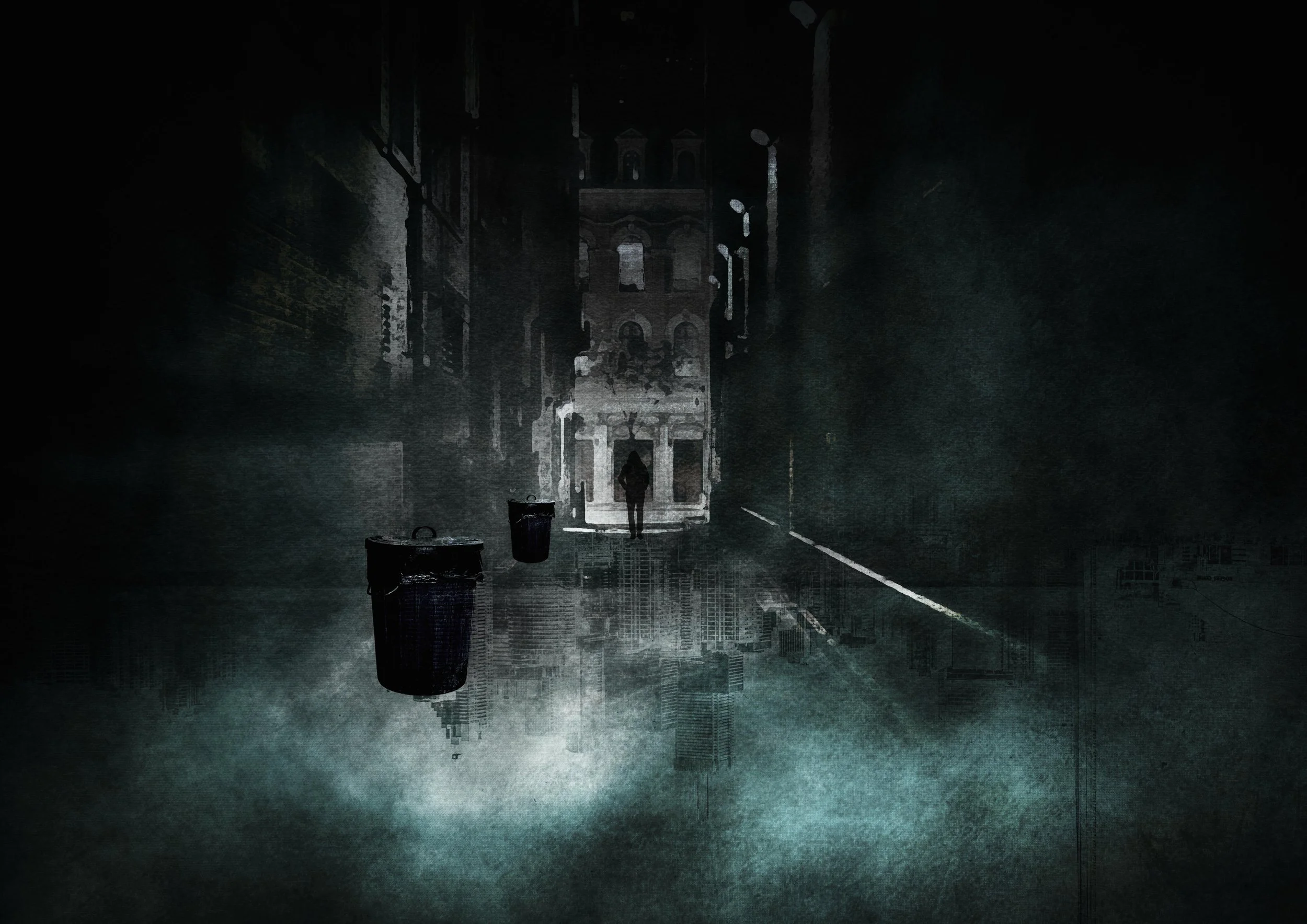
I create digital photographic collages from photographs of real cities, using only images taken from the same place. Streets, buildings, water, underground spaces, walls, and reflections are layered, erased, repositioned, and reconstructed until the city begins to depart from the reality in which it was photographed.
What fascinates me is that nothing in the image needs to be invented, yet the world that emerges has never existed. Every individual element comes from reality; only the relationships between them have changed.
Photography is essential to this idea because a photograph carries evidence that what we see was really there. I retain that connection to reality while allowing reality itself to become unstable. Different moments can occupy the same space. The same place can appear twice. A city can be reflected where no such reflection exists. Memory can seem to peel away from a wall, or light from the surface can penetrate deep underground.
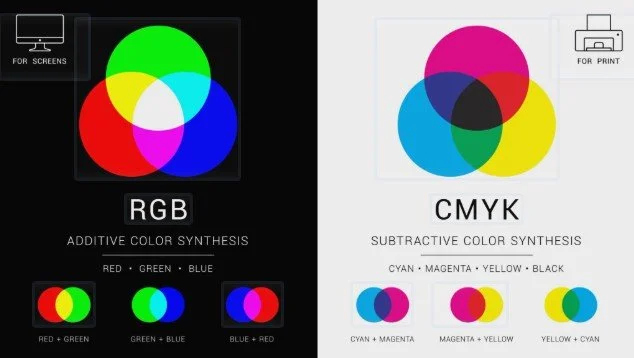
Light is especially important in my work. Through the additive layering of RGB color, light is not simply carried over from the original photographs; it is created within the image itself. As colors overlap and return toward light, a new light emerges—one that did not exist in the photographed reality.
I am interested in the moment when something completely unfamiliar emerges from things that are entirely real. I do not begin by imagining another world. I begin with the world that already exists and use its own fragments to create one that has never existed.
Concept and sensory experience are therefore not alternatives in my work. The sensory experience is the entrance; the concept reveals why the image has taken the form it has. I want the work to function on both levels at once.