
City
Figuration in Matter
City Series – Click Image for Details
City uses the visible city as its point of departure, but its subject extends beyond physical place. Through recognizable streets, buildings, objects, and landscapes, the series explores remembered scenes, overlapping moments, layered places, and distortions in time and space.
A city may appear doubled, displaced, reflected where no reflection should exist, or suspended between different states of reality. Architecture remains recognizable enough to anchor the image, while familiar spatial relationships begin to shift. What initially appears possible gradually reveals something that could not occur in ordinary experience.
To preserve the connection to an actual place, each work is constructed from photographic elements originating from that same location. These photographs act as evidence of what truly exists. By collaging, layering, erasing, and recombining them, I alter their relationships while retaining their connection to reality. The individual elements are real; the reality they form together is not.
City therefore does not invent imaginary places. It reconstructs actual ones from within, using their own visual evidence to reveal another reality contained within them. Each work develops from the particular character of its location, allowing memory, time, space, and perception to overlap in a form that belongs specifically to that place.
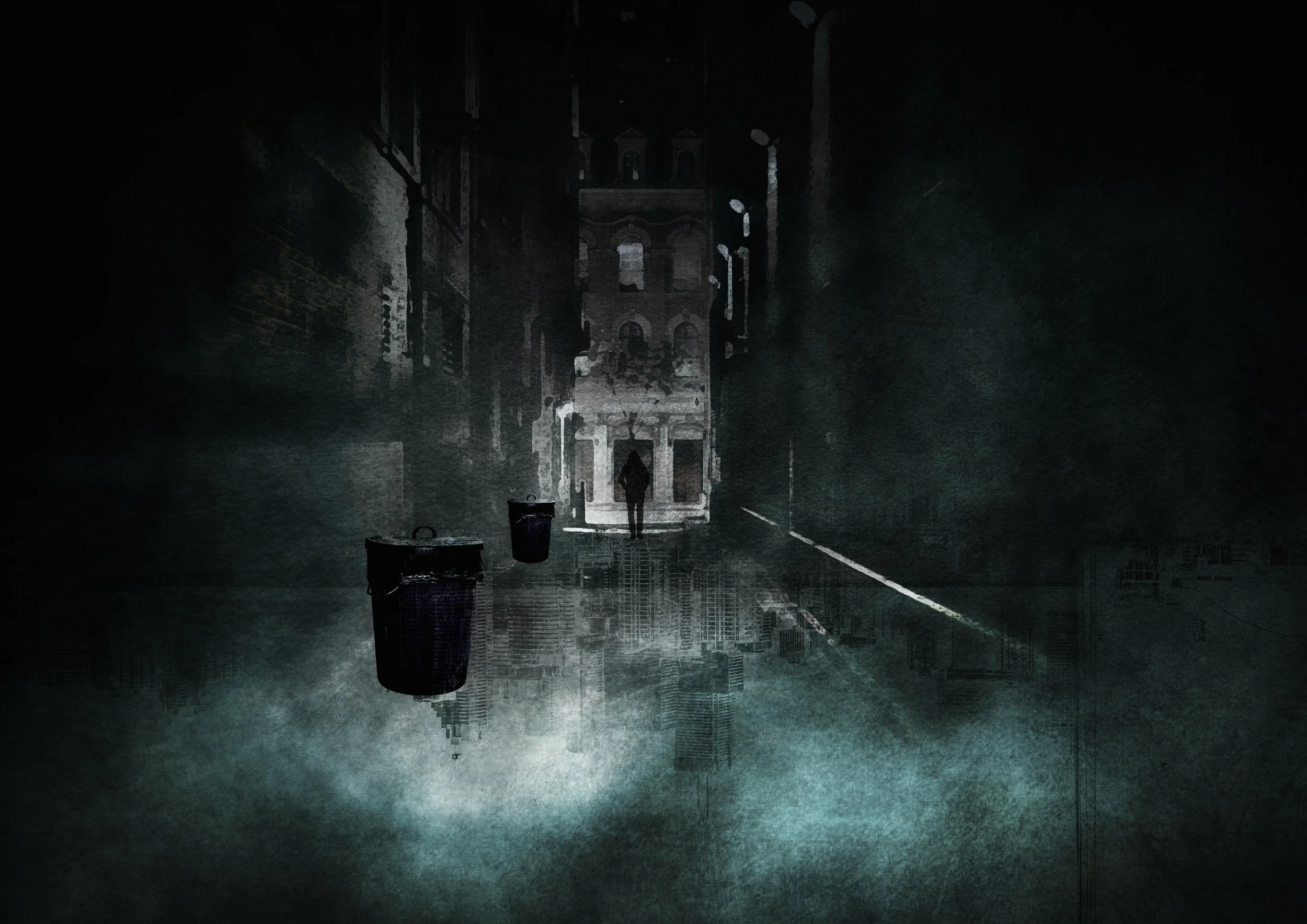
Toronto folds separate moments into one unstable space, where a floating trash bin, a solitary figure, and a reflected city unsettle gravity, chronology, and the boundaries of ordinary reality itself.
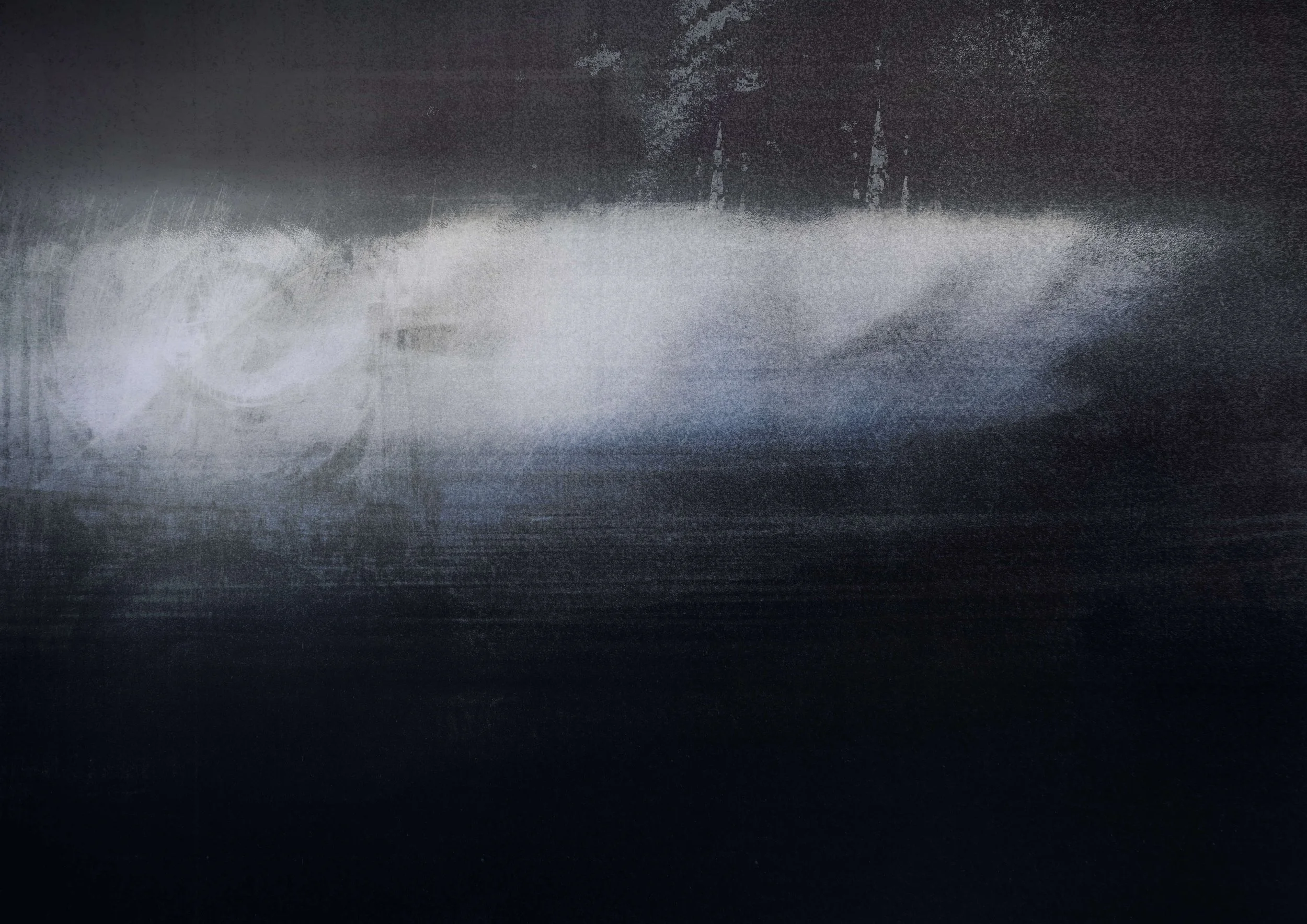
Prague explores how a city survives unevenly in memory, preserving vivid fragments while streets, buildings, and connections fade, leaving a place reconstructed through remembrance rather than continuous physical reality itself.
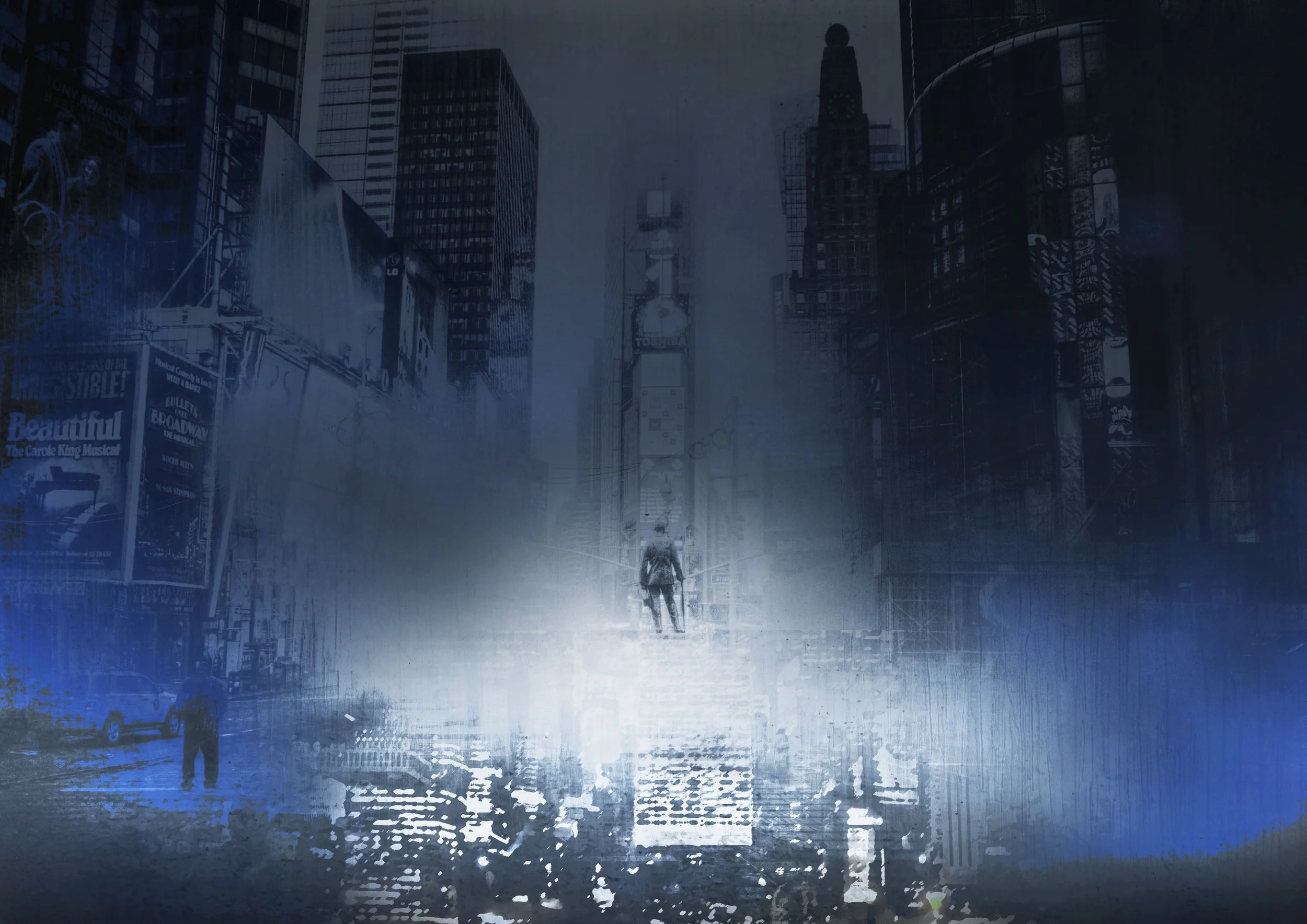
In blackout, material NYC meets a virtual NYC emitting light from another dimension. Residue from material civilization drifts near the ground, while the real city emerges like a mirror image.
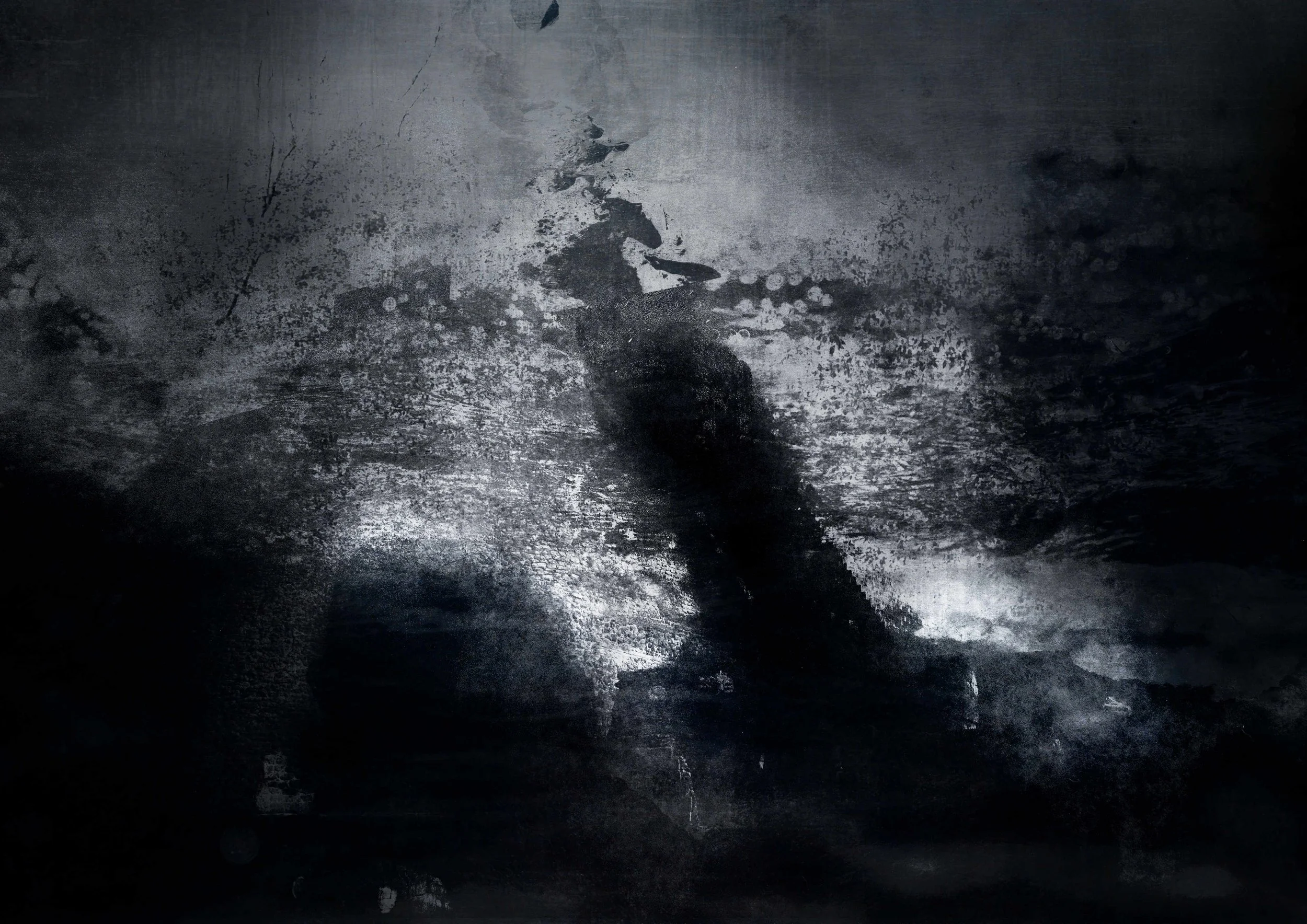
From a Yucatán pyramid, a staircase extends toward another dimension, crossing an unfamiliar substance like a path over water. Architecture, light, and space dissolve, while the passage itself remains visible.
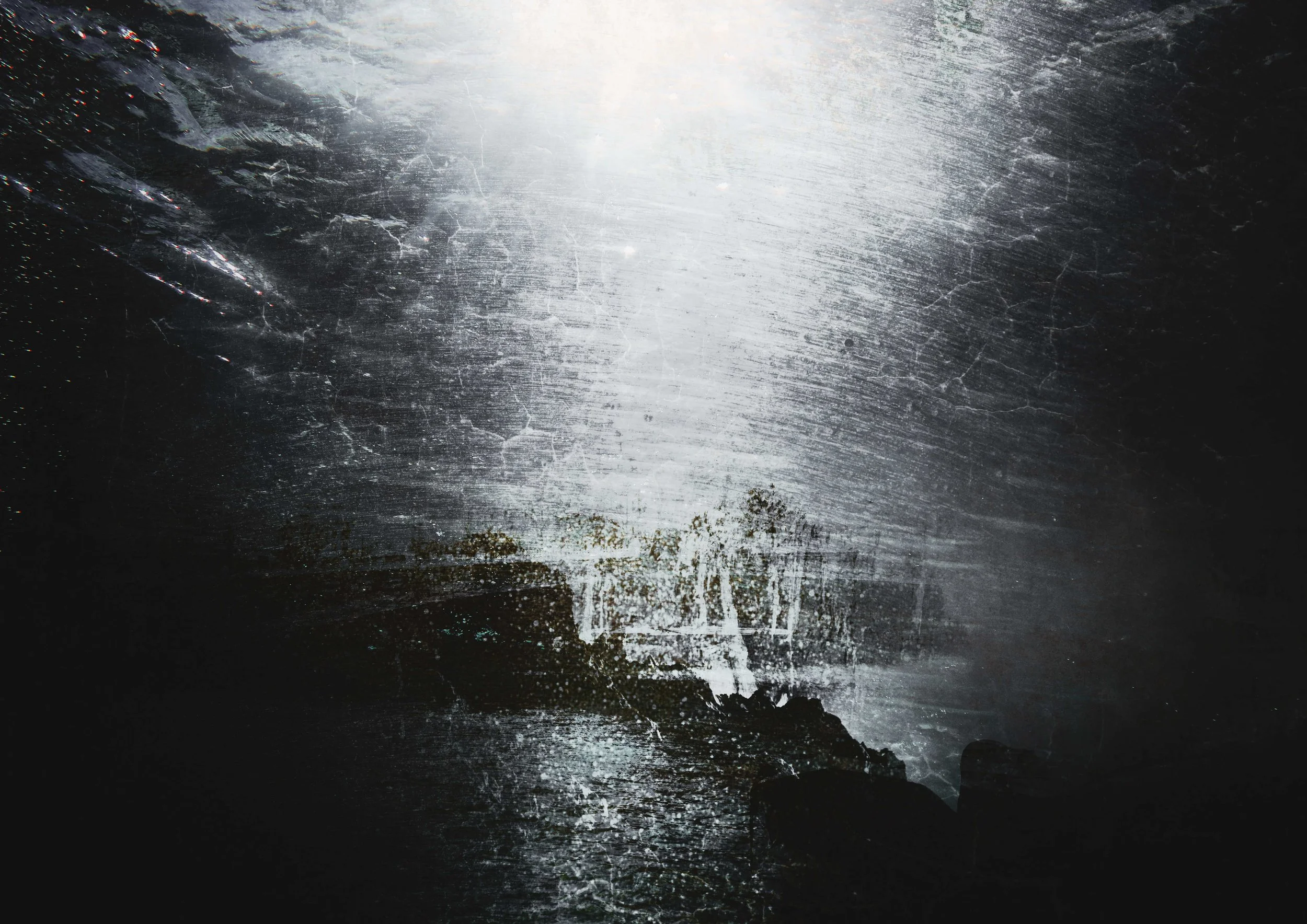
Pont Alexandre III appears unstable, almost collapsing, as a forceful light descends like lightning. Nature does not illuminate the city; it confronts, penetrates, and unsettles its constructed order.
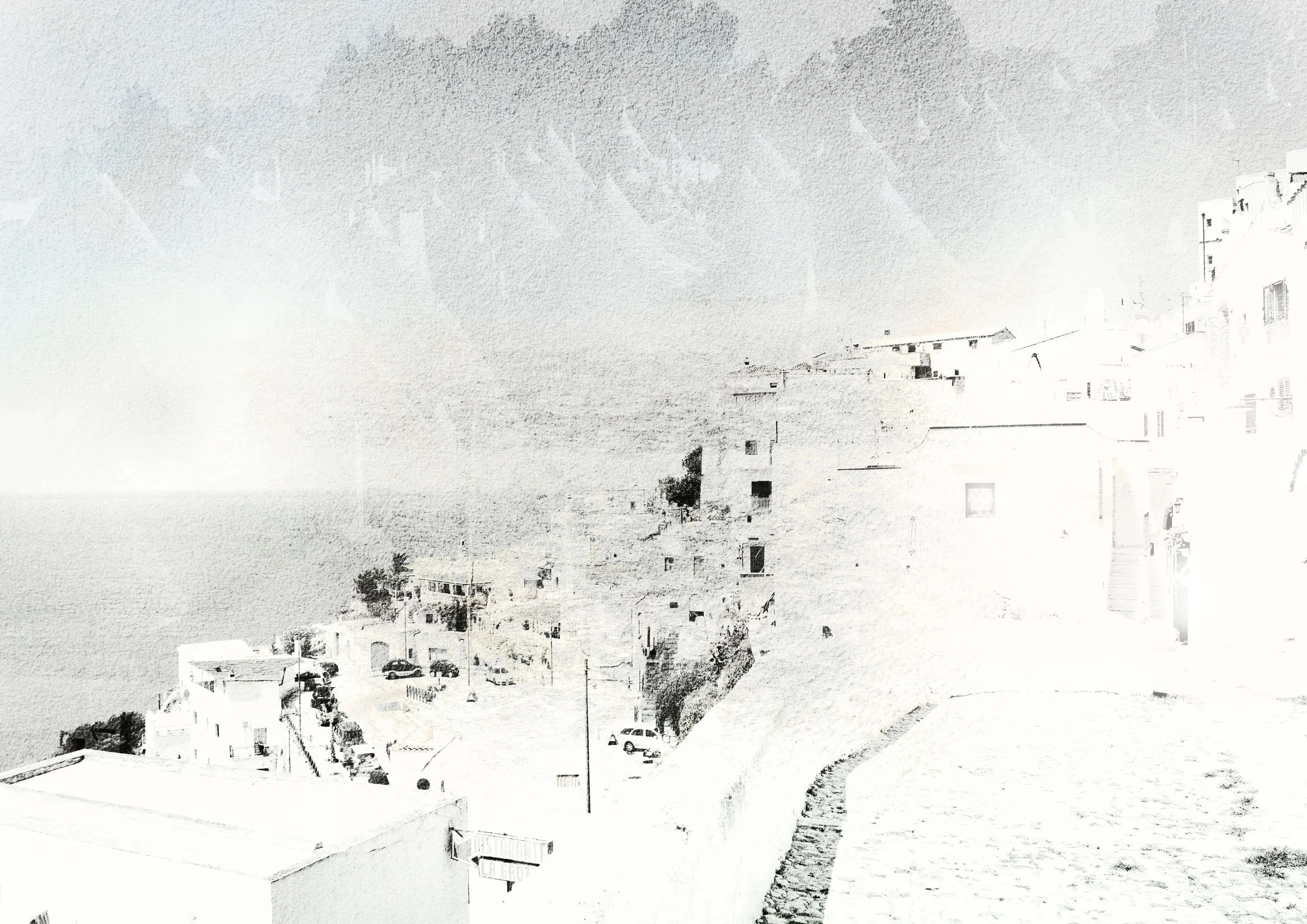
Puglia appears twice: one city dissolving into white, another suspended above it. The same place occupies two states at once, leaving uncertain which belongs to reality and which remains elsewhere.
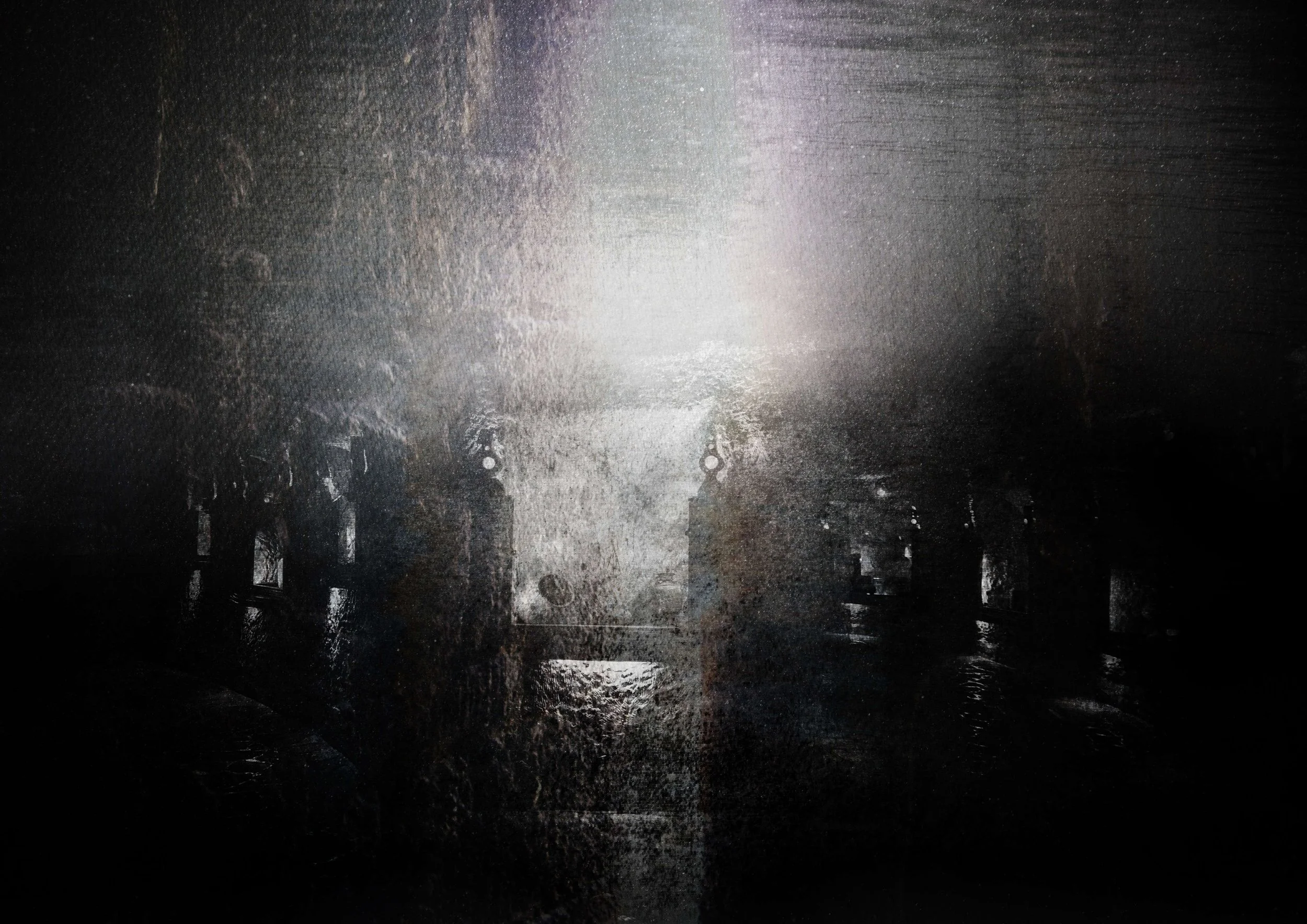
Surface light penetrates slowly beneath the earth, passing through matter until it reaches the depths. There, it rebounds, illuminating the underground from within and revealing a hidden continuity between worlds.
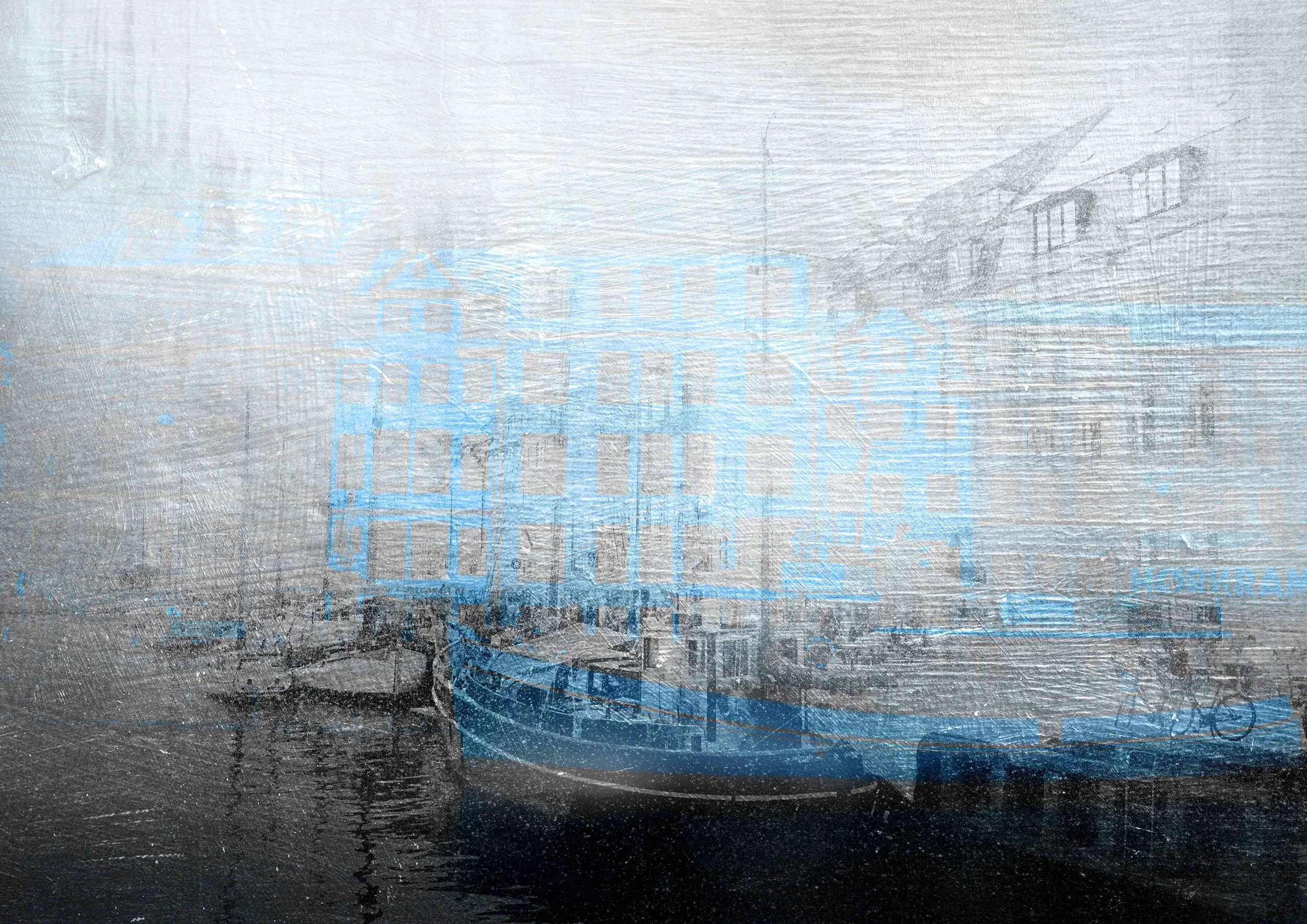
Memory preserves places unevenly. Older images fade as newer memories overwrite them. In Copenhagen, the harbor remains visible beneath erasure, texture, and newer layers of memory entering across the surface.
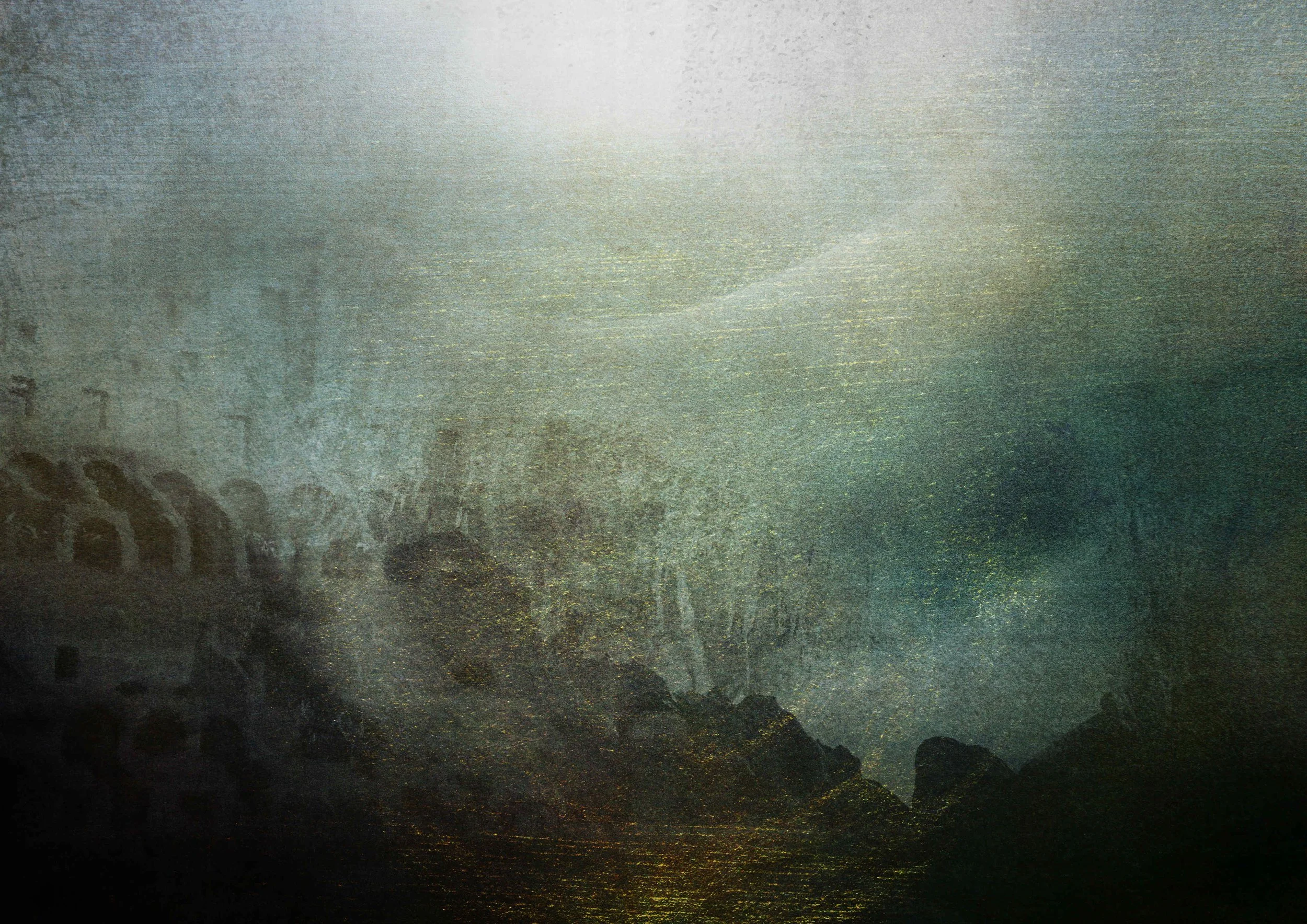
A structure built from stone gradually loses its form over time, returning to its original state as natural mineral matter. The work explores the moment when the boundary between architecture and geology begins to dissolve.
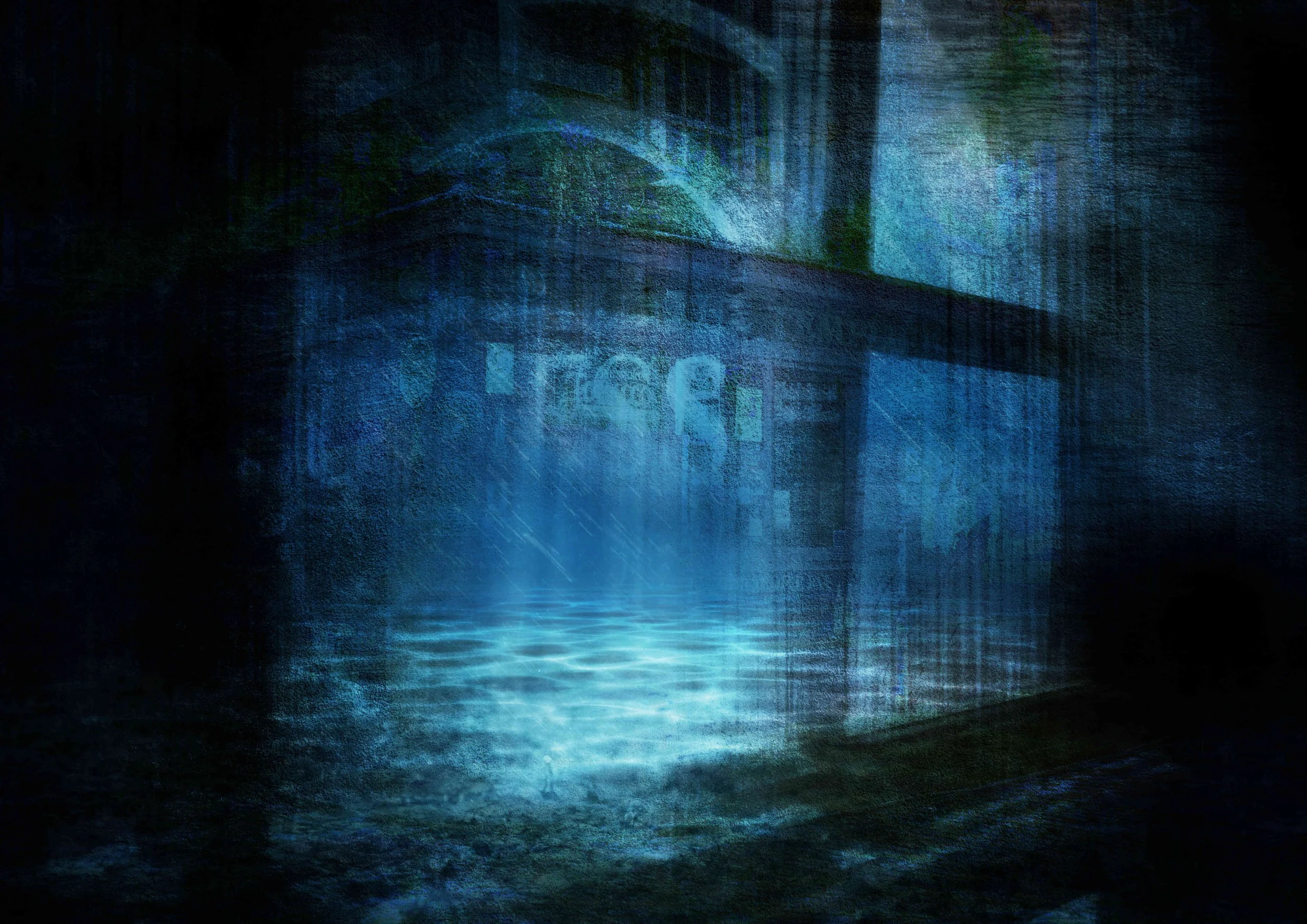
Dublin gathers incompatible spaces into one moment: street, interior, and seabed overlap as light or water descends. A Guinness barrel remains, ringed with light, anchoring the city within uncertainty itself.
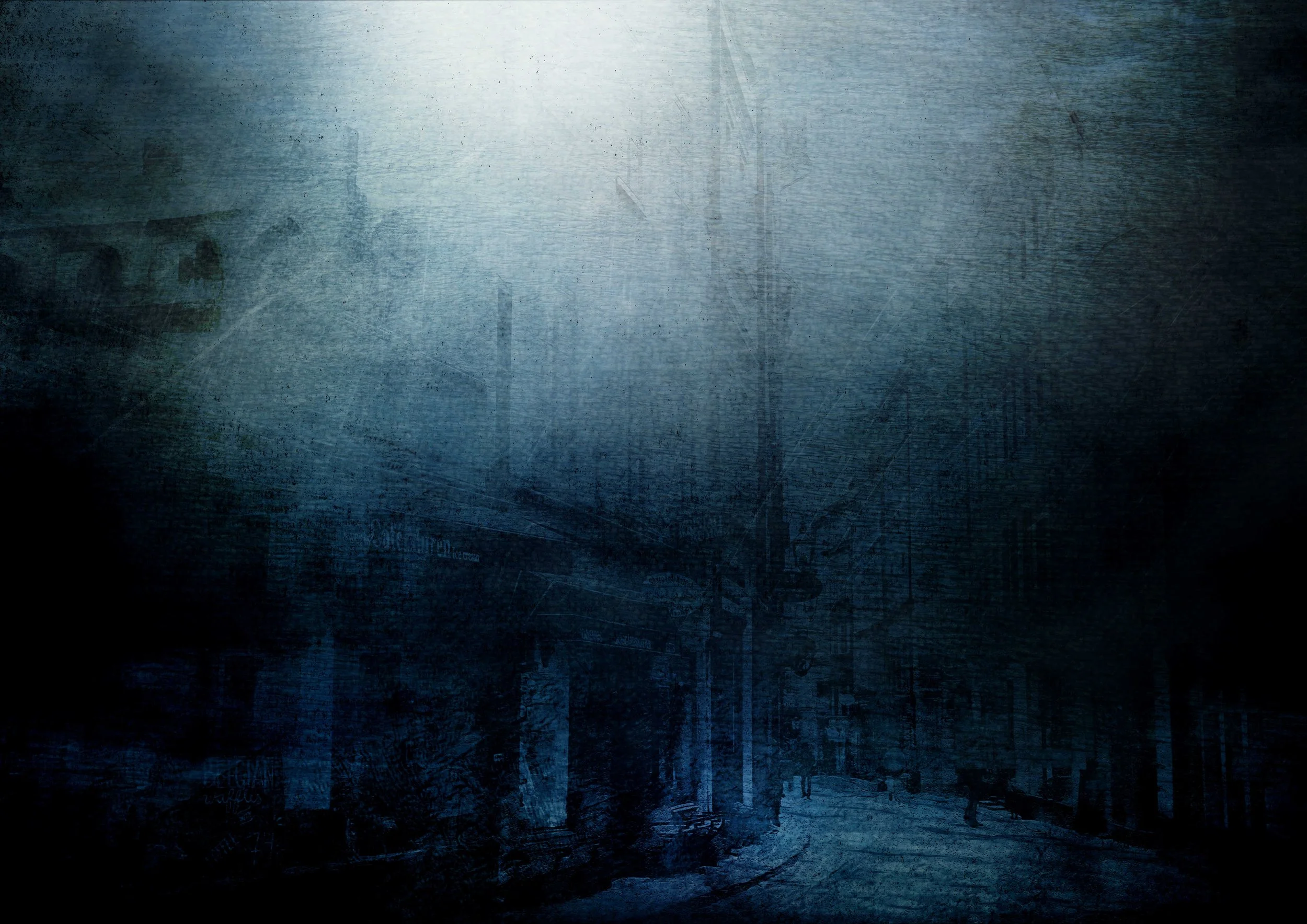
Stockholm merges two streets and two moments of memory. Light passes through buildings, while details gain or lose weight, allowing separate days and places to coexist within one remembered scene.
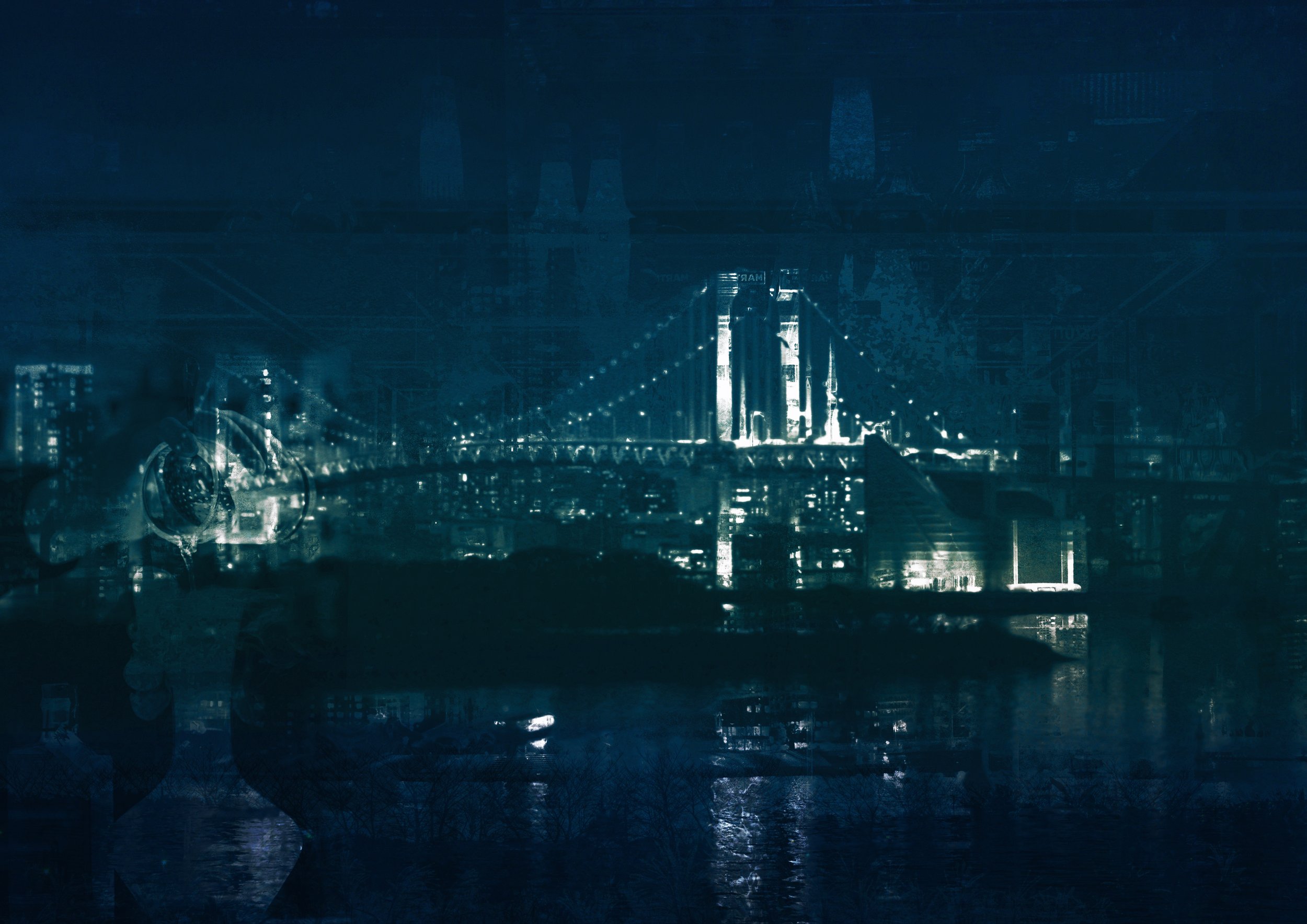
A bar, a cocktail, and Rainbow Bridge occupy the same space. It remains uncertain which is real, which is projected, and whether reality and virtual image have become entirely indistinguishable.
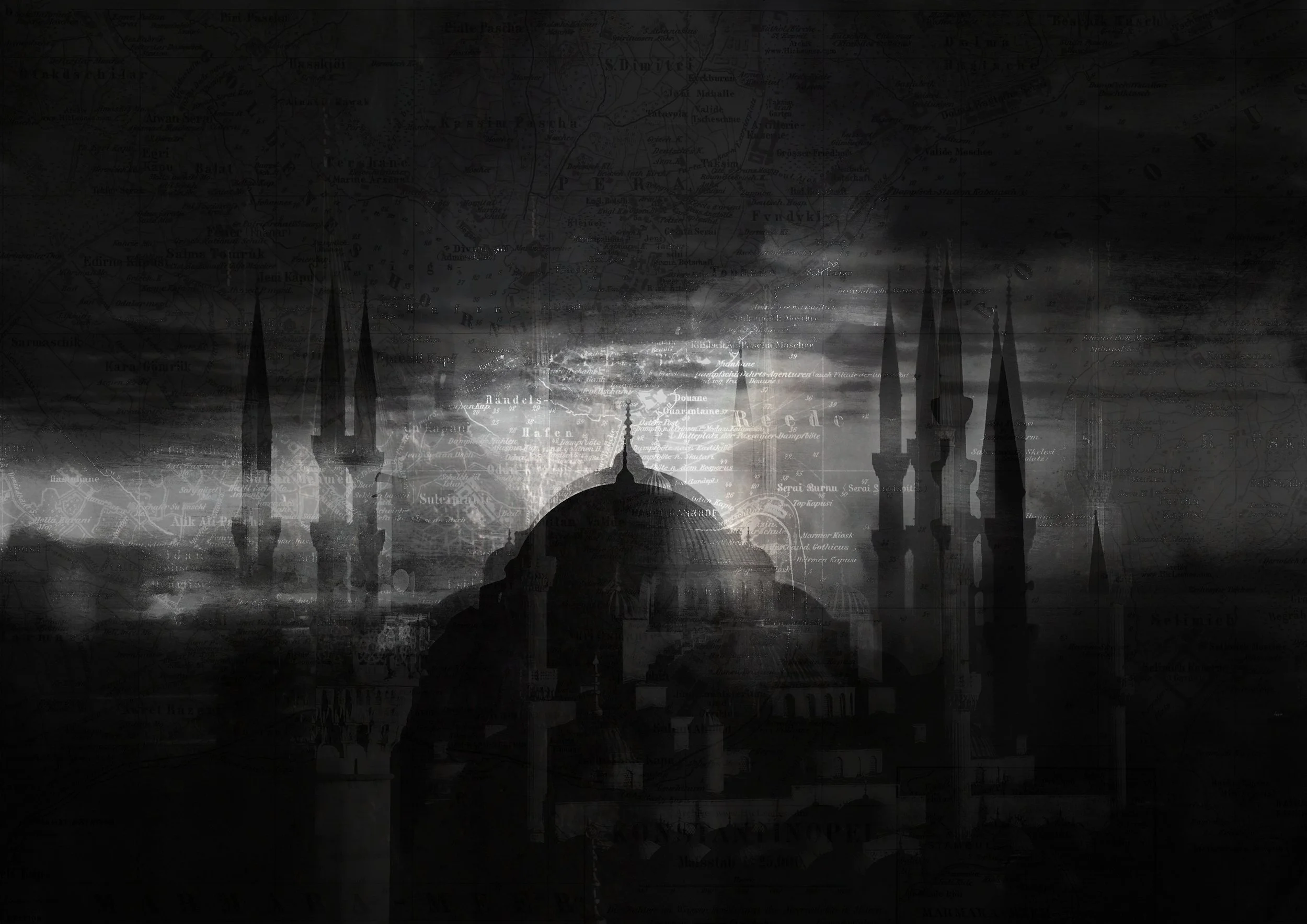
Istanbul projects itself into its sky, where the Bosphorus map merges with light. The projection then seeps back into the city’s silhouette, creating a reciprocal exchange between place and image.
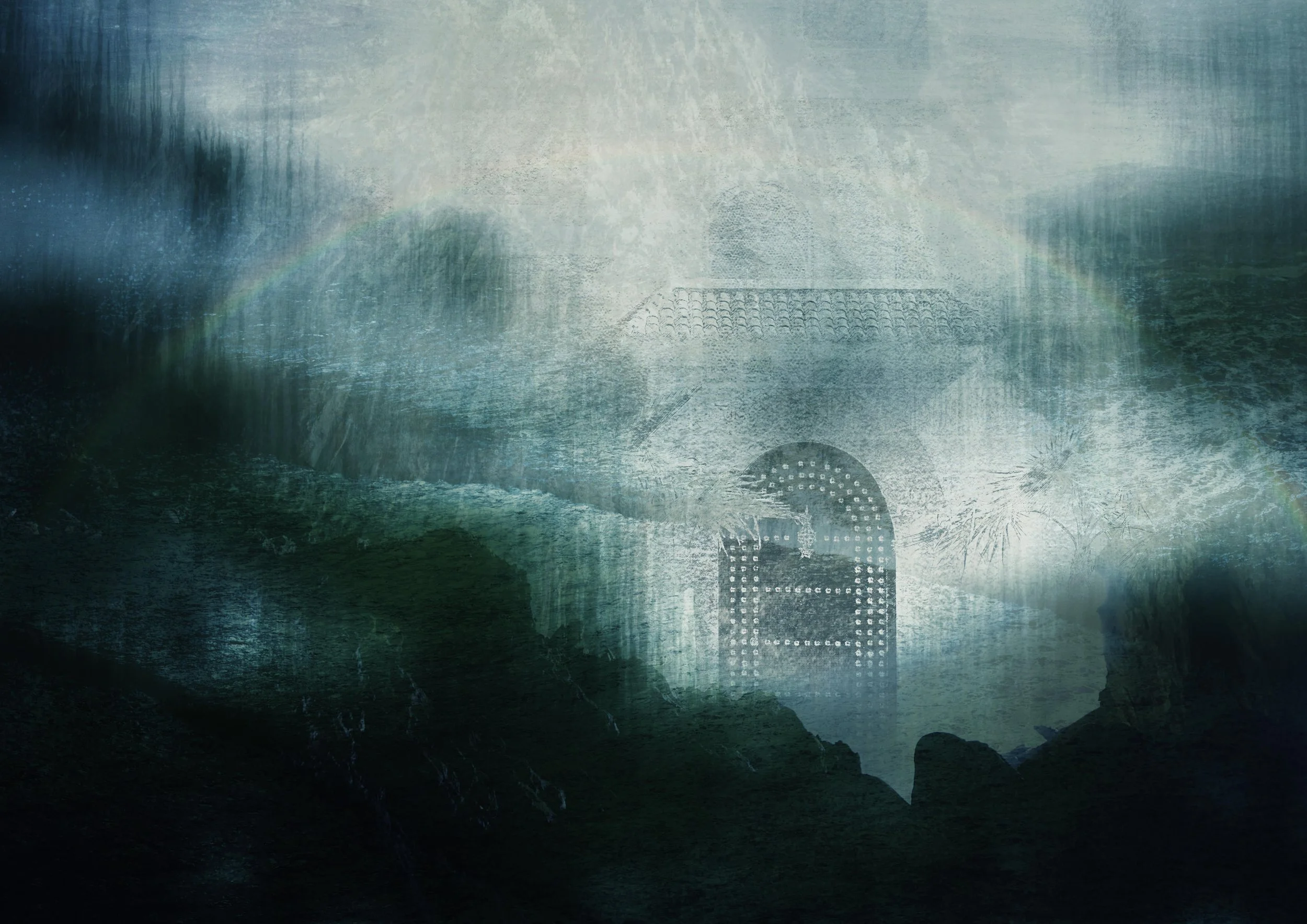
A sealed memory breaks open, revealing Marrakech. The door, once most vividly remembered, emerges clearly, while the surrounding city fades gradually as memory weakens toward the edges into darkness again.
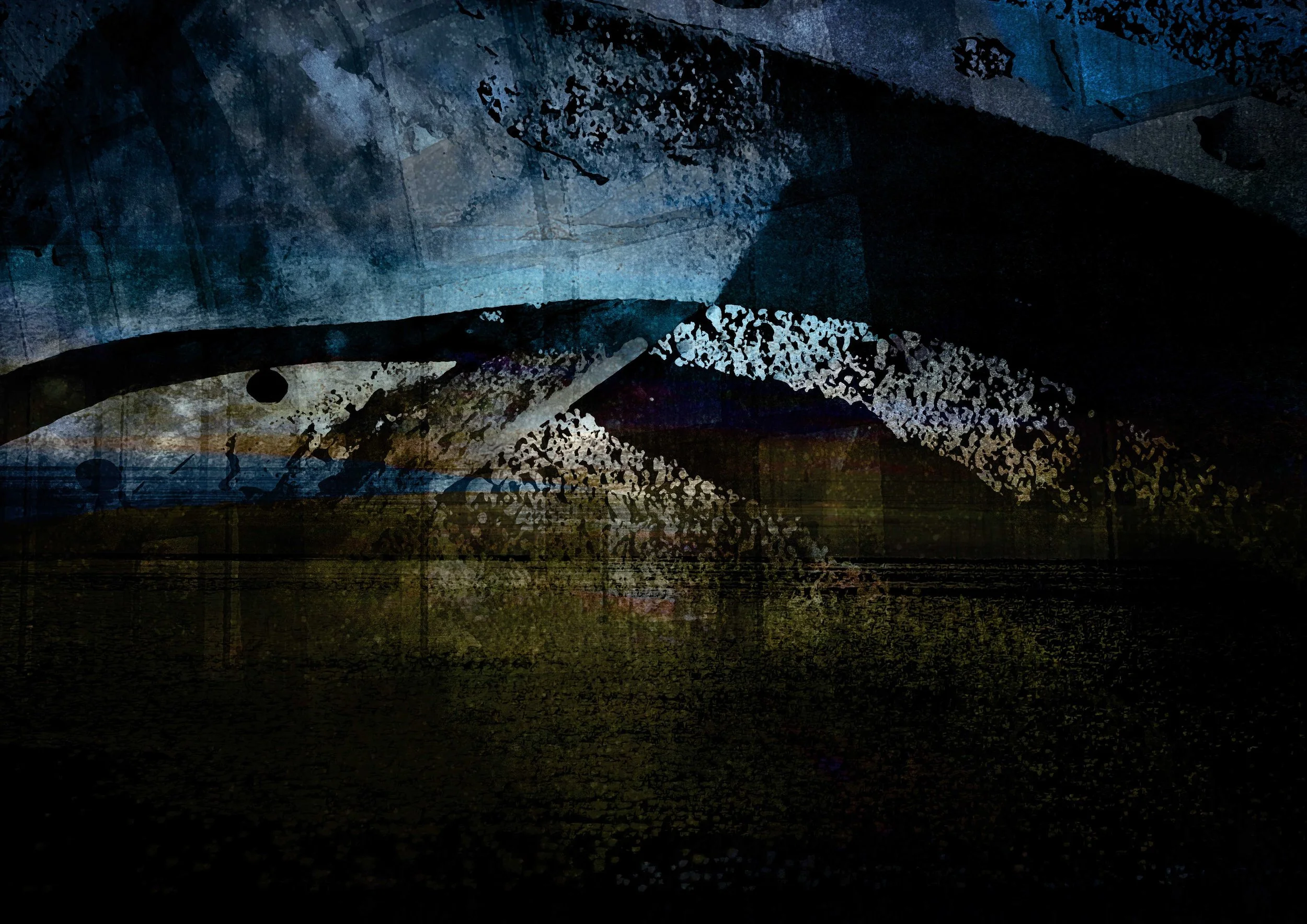
Set in Reykjavik, Iceland, this work layers Ásmundarsalur, a historic art space, with a shipwreck fragment, volcanic lava, and surrounding landscape, linking human history with Iceland’s powerful geological forces today.
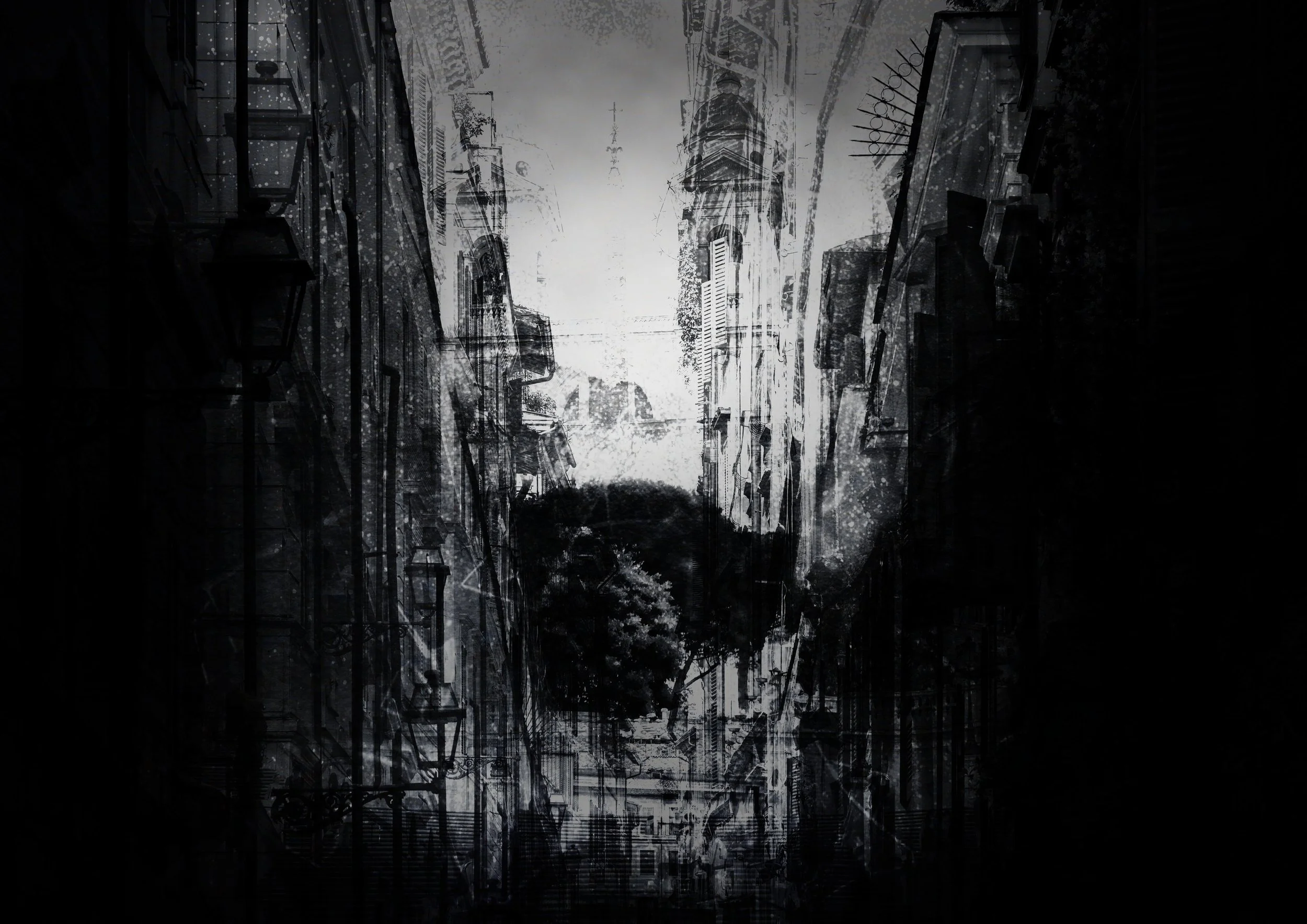
The Spanish Steps and residential streets overlap in memory, not erasing one another but merging into a single unstable space where separate places coexist together and become something newly remembered.