

神々の肖像
Portraits of Japanese Deities
Record of Light Series – Click Image for Details
Record of Light does not define light as an origin or a destination, but records the conditions under which it becomes perceptible. Rather than explaining what light is, the series traces how light appears, interferes, dissolves, and leaves residual traces within perceptual space.
Each work is constructed within the RGB spectrum—the three elemental channels of digital light. Red, green, and blue are treated not as symbols, but as measurable wavelengths that establish the limits of visibility. Through their interaction, transient luminous states emerge, destabilize, and fade before reaching fixed coherence.
Photographic fragments are layered, blurred, and partially erased until recognizable form collapses. What remains are fields of light in transition—neither object nor abstraction, but records of passage and threshold. In this series, light functions as both medium and trace: a visible residue of interaction, captured at the moment perception briefly holds before dispersing.
These works are not constructed so much as received. The silhouettes of higher-dimensional beings emerge from deep within each work, arriving as transmissions from beyond the visible — drawn on the ancient Japanese understanding that such entities dwell within the natural phenomena of light and atmosphere. They do not appear as fixed figures. They are expressed as an active will of light — radiant, directed, alive — reaching into our world from a realm beyond perception.
These portraits address themselves to the viewer's consciousness directly, acting as a medium through which the profound reality of Japanese spiritual archetypes enters our visual field. In these forms, one encounters the intersection of pure energy and abiding presence — the spirits that have shaped the inner landscape of Japan across millennia.
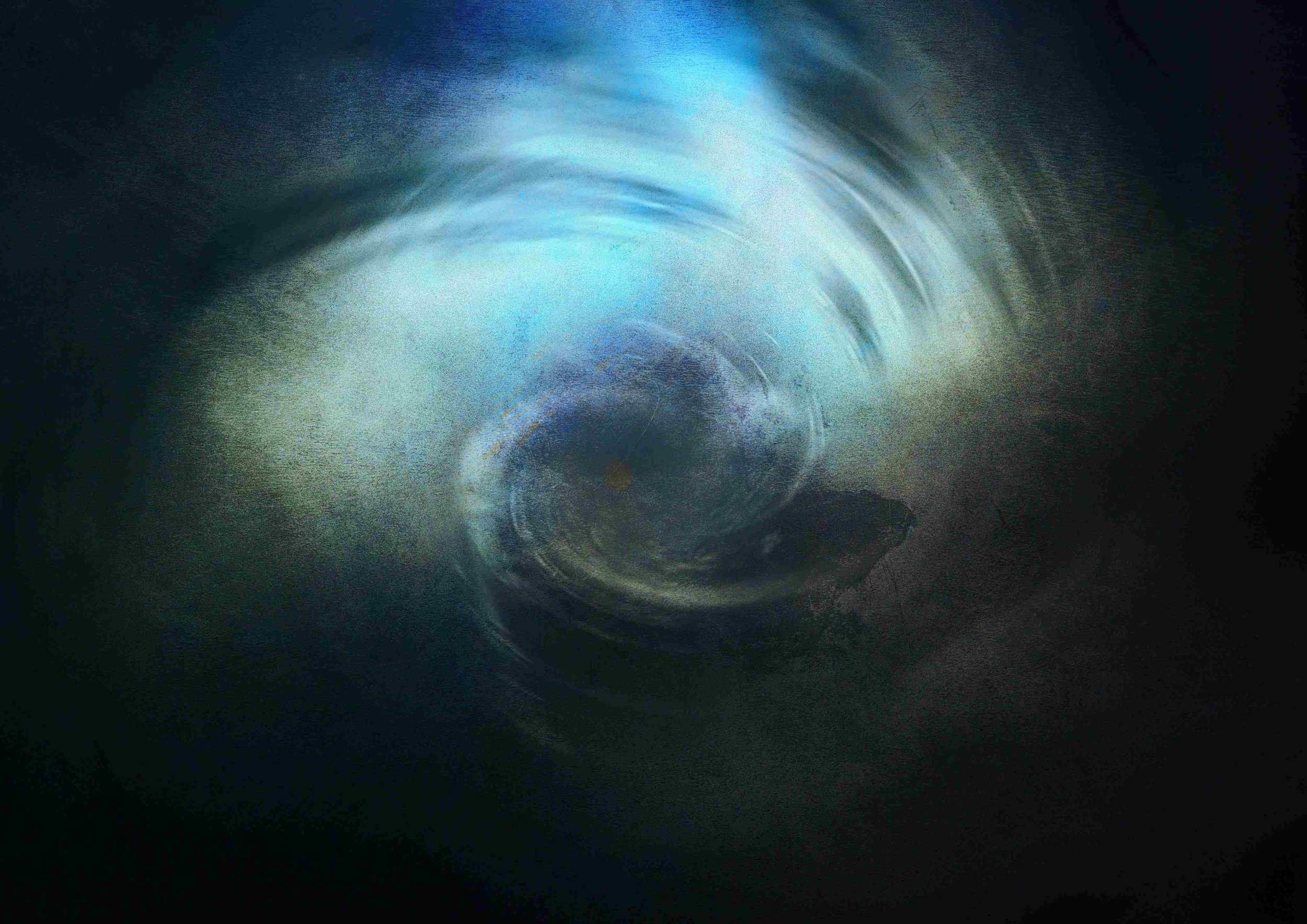
天之御中主神 Amenominakanushi-no-mikoto
Amenominakanushi, first deity of Japanese mythology, appears at the universe’s dawn. Formless, this god embodies nature’s laws and the potential from which existence emerges.
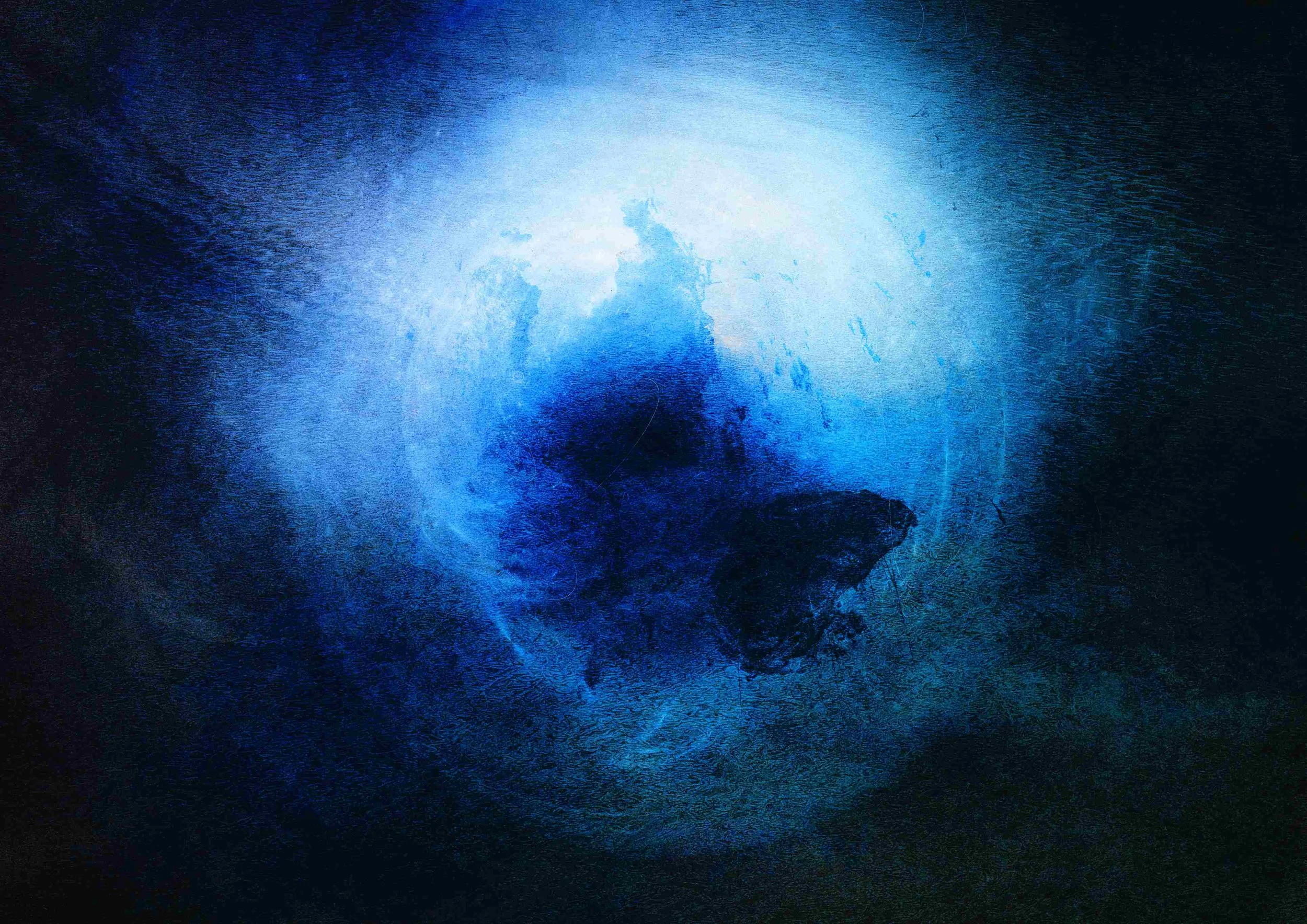
Kuninotokotachi-no-Mikoto, primordial deity of the land, arose as heaven and earth separated, transforming chaos into a stable foundation for life and sacred order.
国常立尊 Kunitokotachi-no-mikoto

Izanagi-no-Mikoto, creator of Japan and father of its deities, brought order to chaos. He governs purification and the sacred boundary between life and death.
伊邪那岐命 Izanagi-no-mikoto
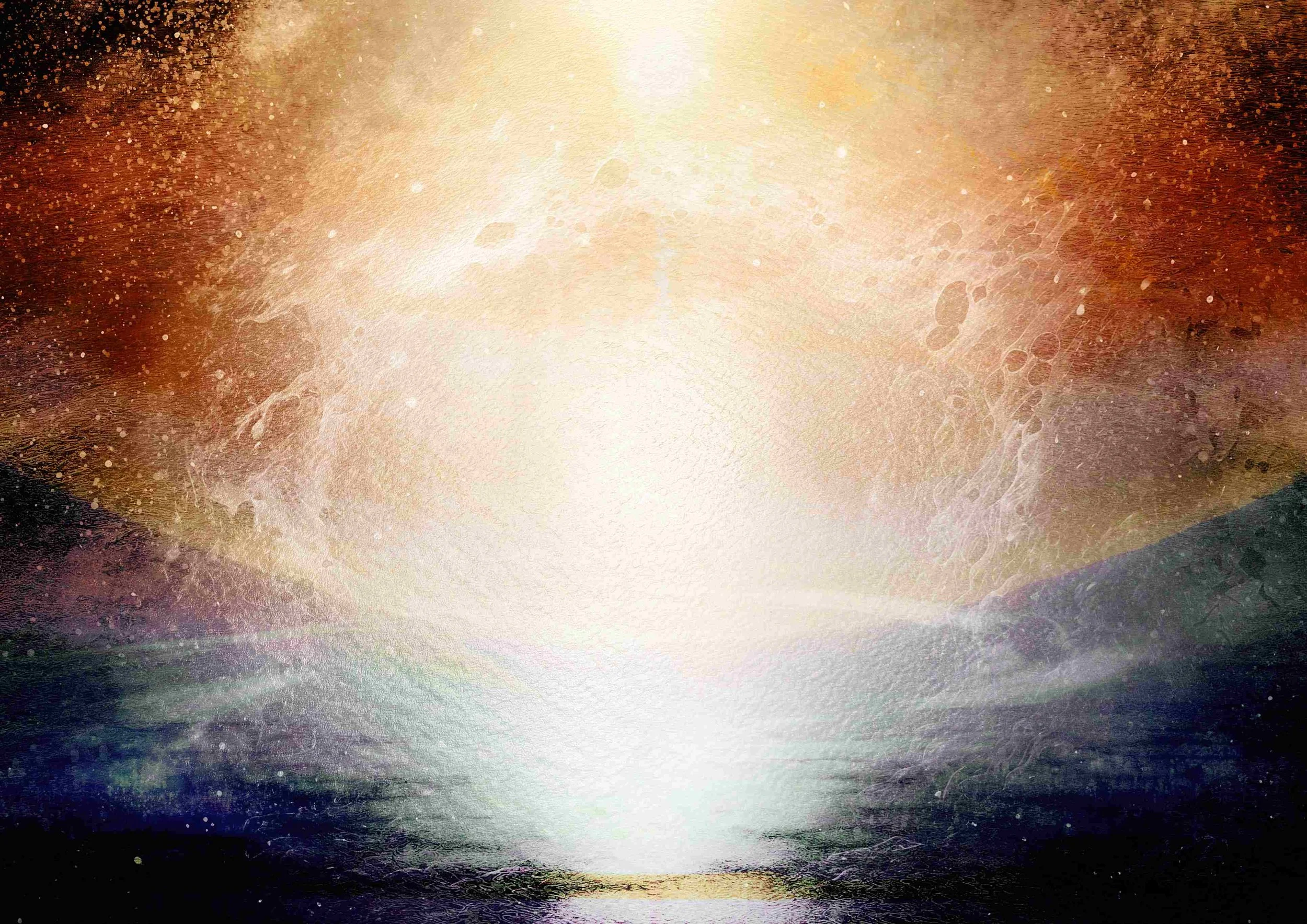
Amaterasu Omikami, supreme sun deity and ruler of the High Celestial Plain, sustains all life and embodies restoration, order, and divine light.
天照大御神 Amaterasu-ohmikami
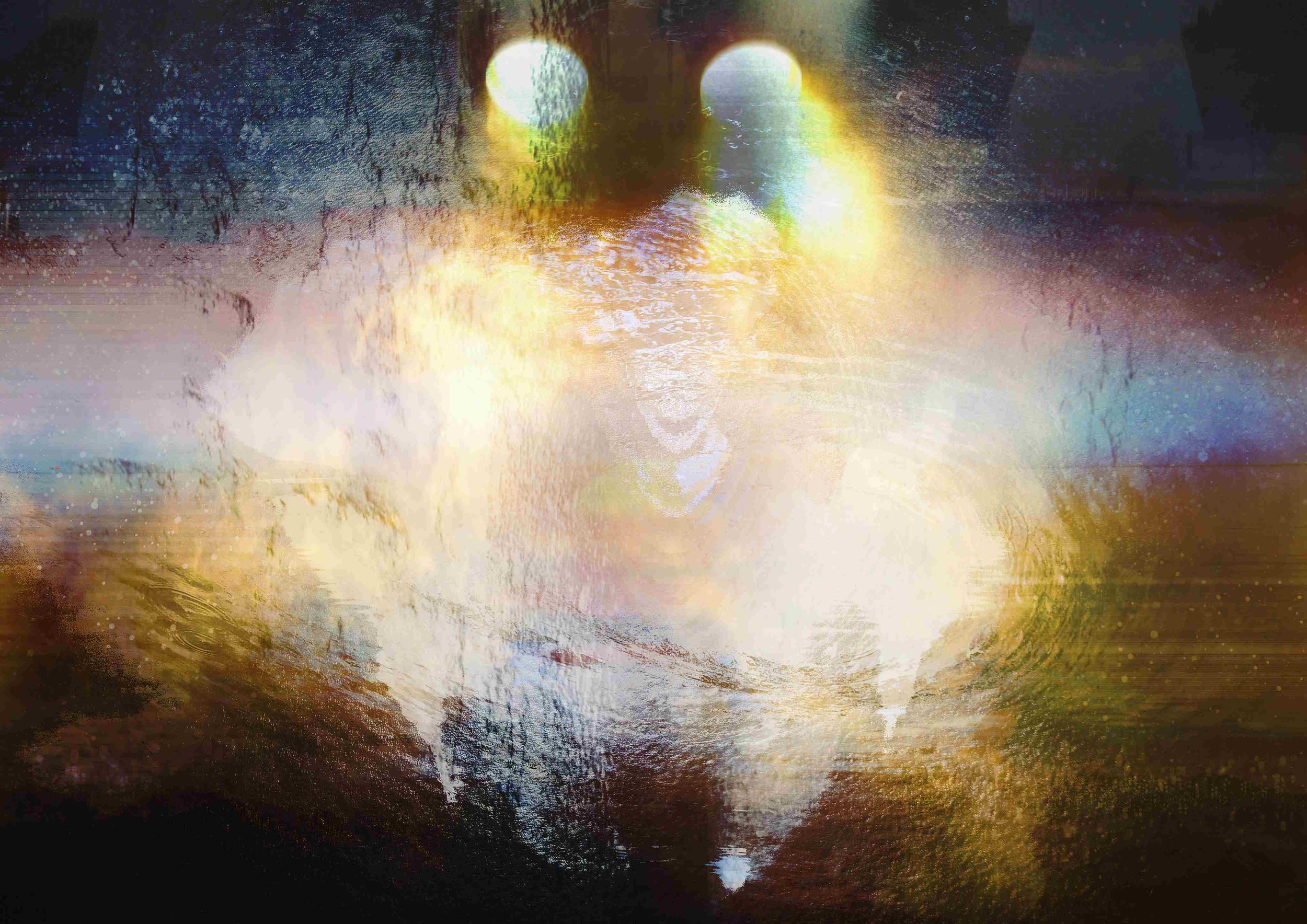
Susanoo-no-Mikoto, deity of sea and storms, embodies destruction and creation, turbulent power and compassion, breaking stagnation and opening new paths with immense life force.
素戔嗚尊 Susanohno-mikoto
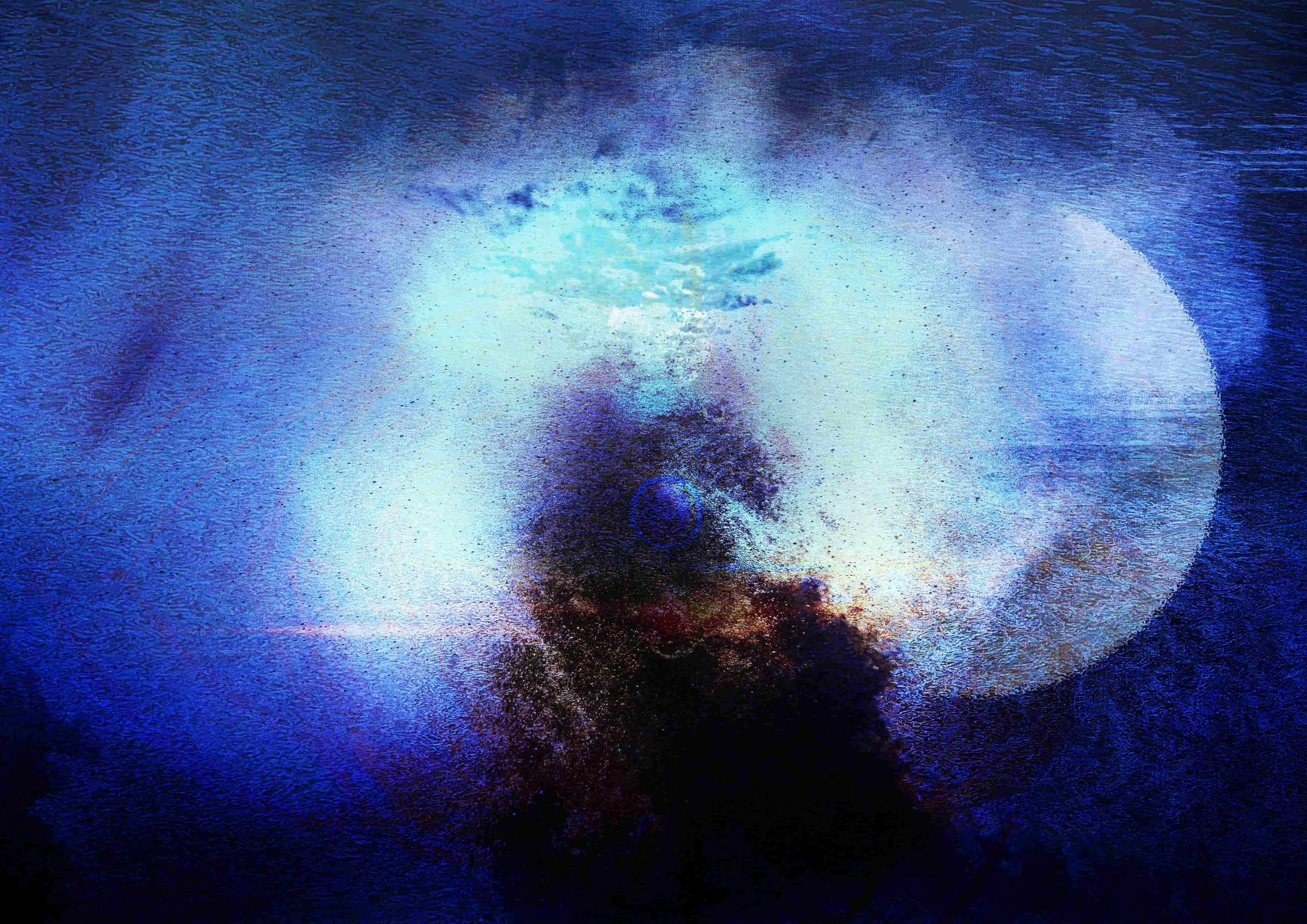
Tsukuyomi-no-Mikoto, deity of night and the moon, governs darkness and embodies time’s cycles, maintaining the silent order that balances the universe.
月読命 Tsukuyomi-no-mikoto
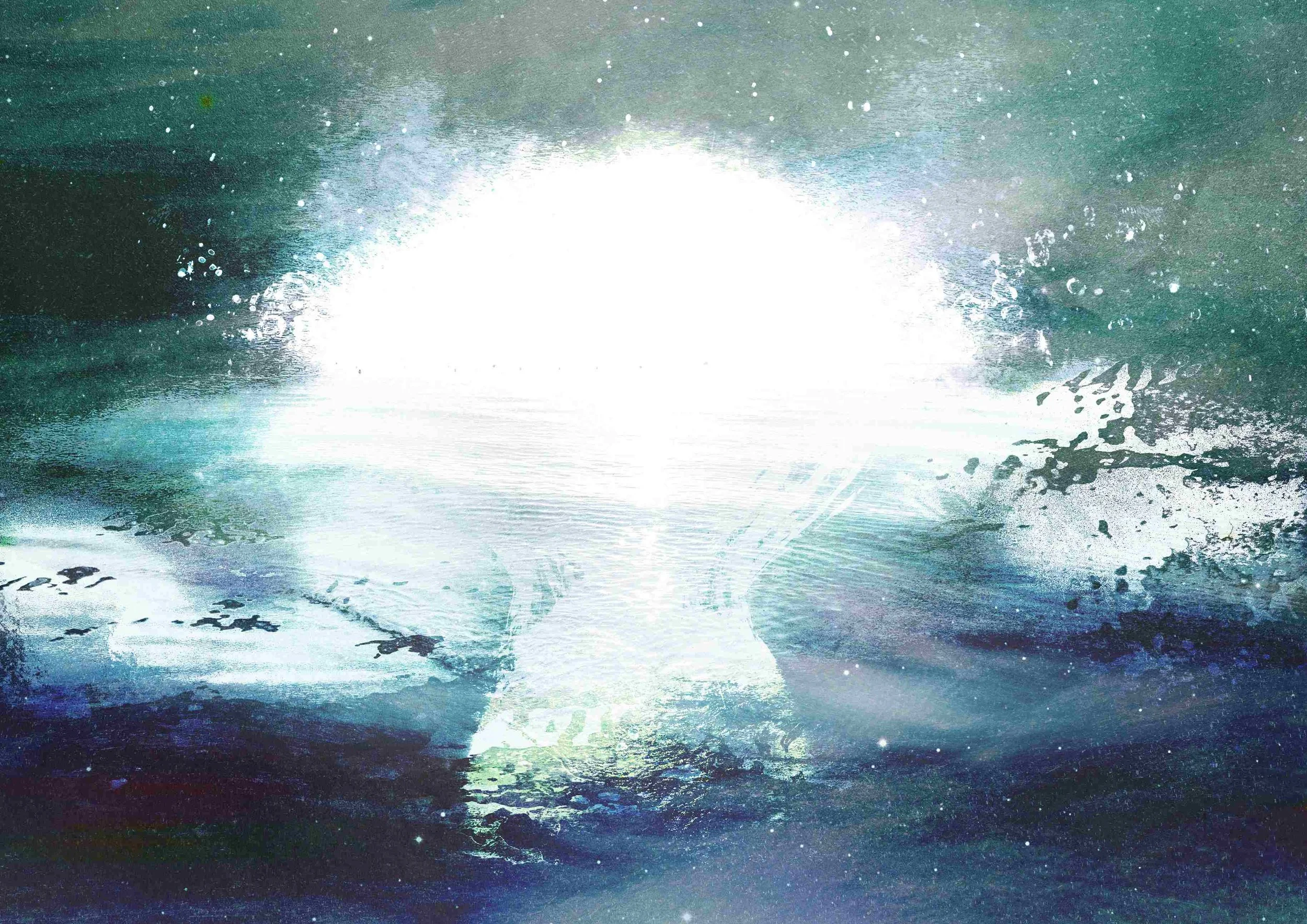
Seoritsuhime, goddess of purification, washes sins and impurities from rivers to the sea. Linked to water and dragons, she embodies powerful cleansing energy and spiritual vitality.
瀬織津姫 Seoritsuhime
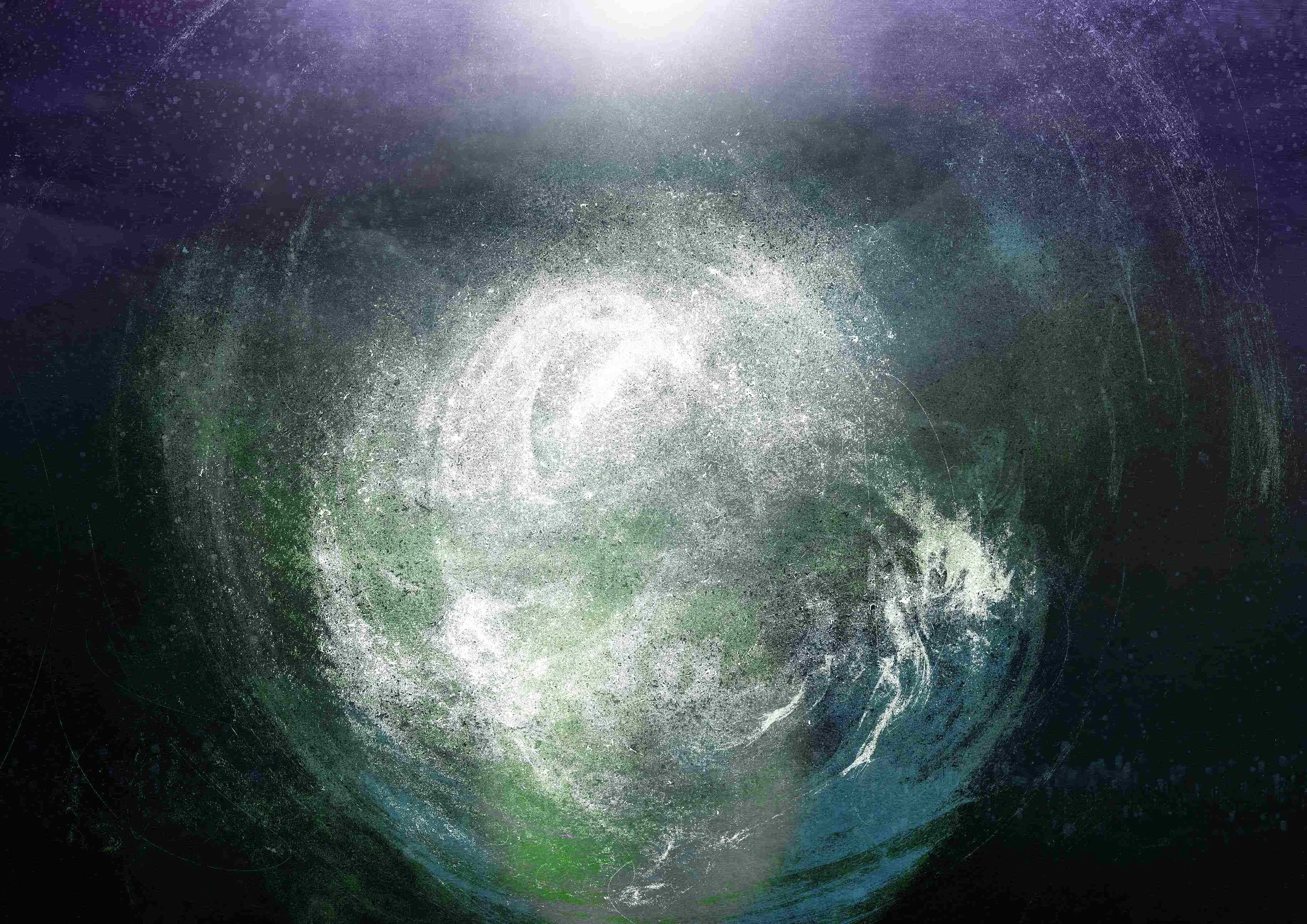
Okuninushi-no-Mikoto, deity of Izumo Taisha, completed Japan’s formation. God of en-musubi, agriculture, and medicine, he governs both worldly abundance and the unseen spiritual order.
大国主命 Ohkuninushi-no-mikoto
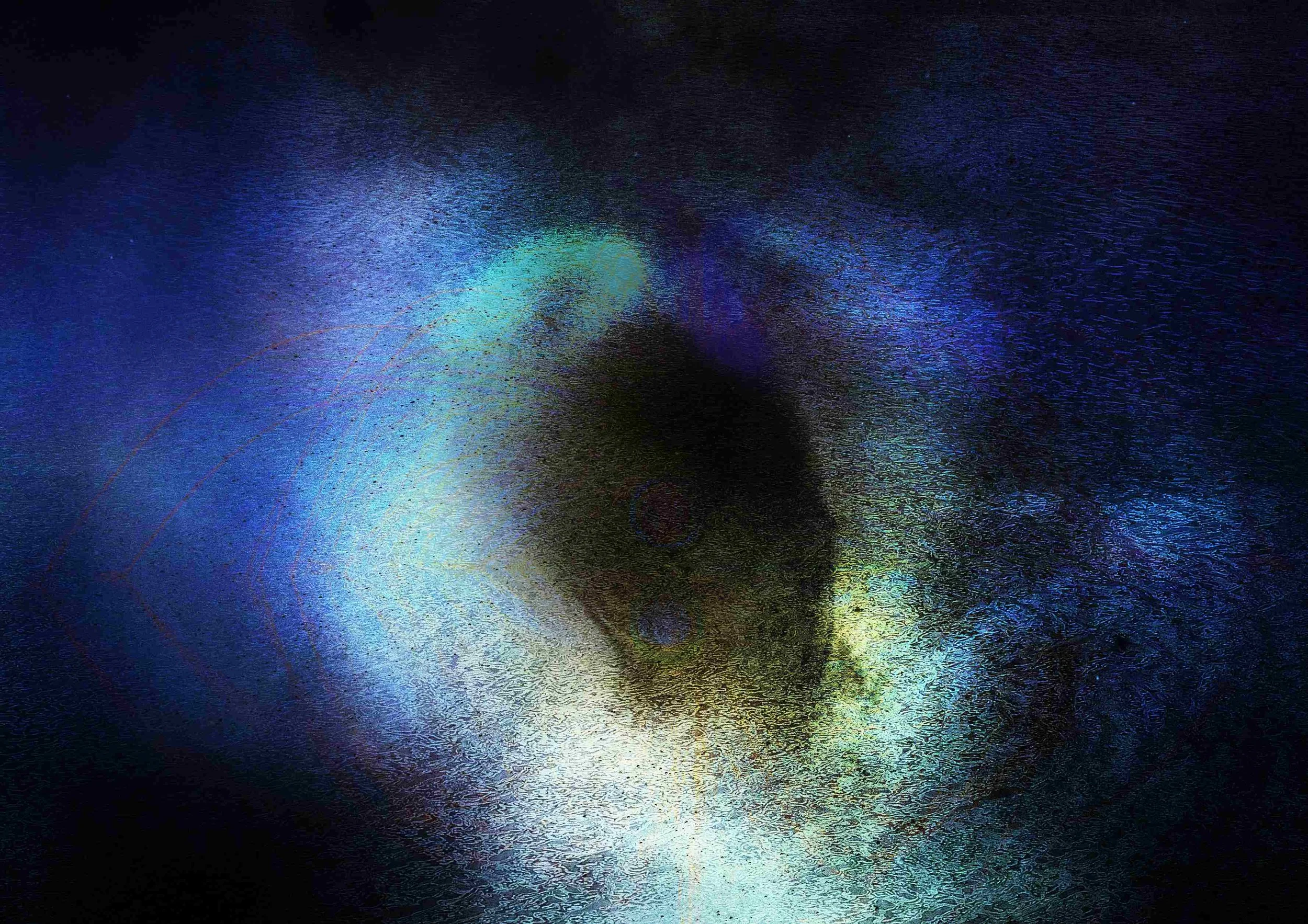
Nigihayahino-Mikoto, solar deity and ancestral god of the Mononobe clan, descended aboard the Heavenly Rock Boat, bringing sacred treasures, advanced culture, healing, and regeneration.
饒速日命 Nigihayahi-no-mikoto

Yamato Takeru, Japan’s legendary prince and hero, united the land through courage and wisdom. A tragic wanderer, he became a white bird in death, finding freedom.
倭建命 Yamatotakeru-no-mikoto
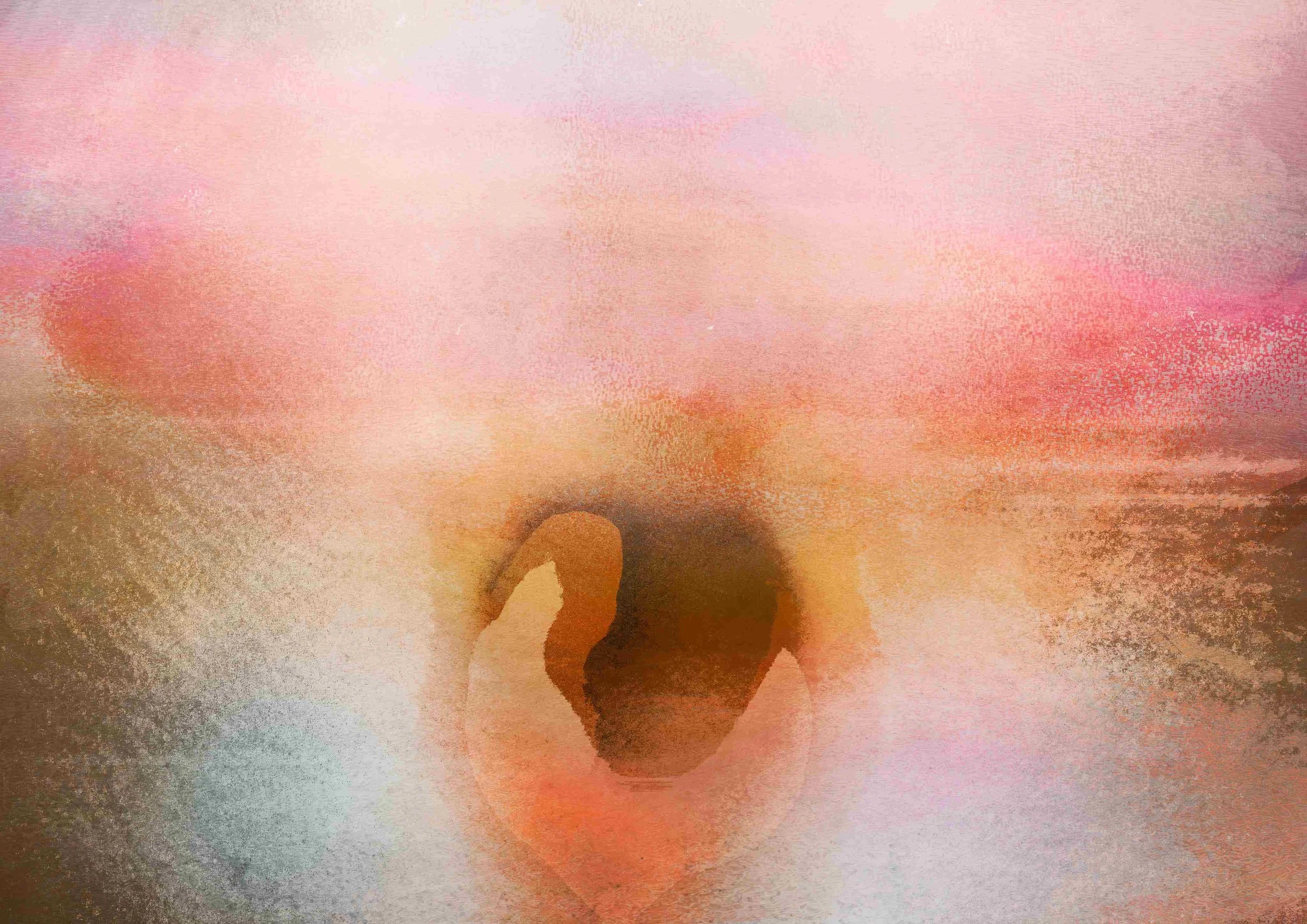
Konohanasakuya-hime, deity of Mount Fuji, embodies cherry blossoms’ beauty and fleeting vitality. She represents motherhood, proving her lineage by giving birth in flames.
木花咲耶姫 Konohanasakuyahime
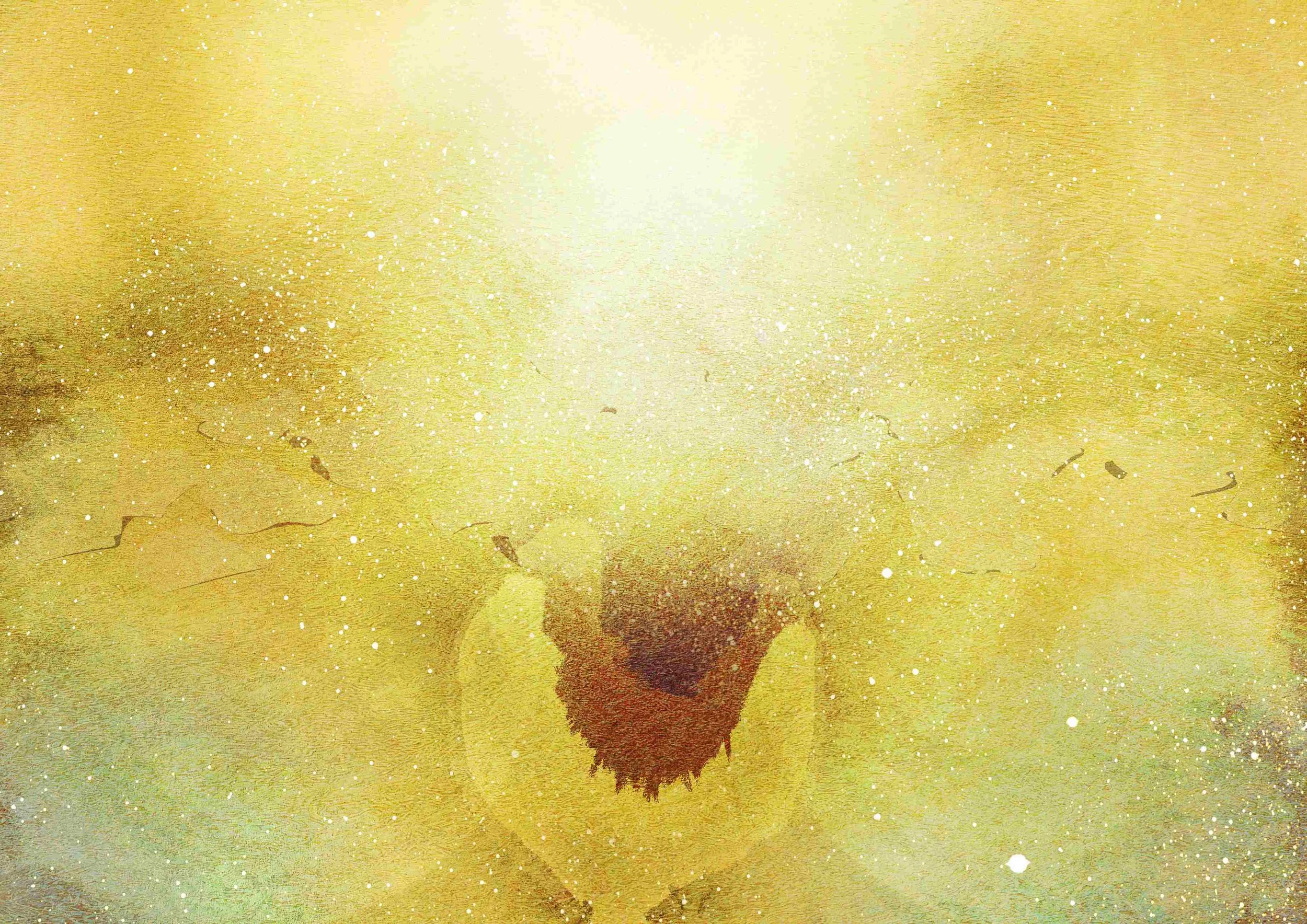
Iwanaga-hime, elder sister of Konohanasakuya-hime, embodies rock’s permanence, longevity, and eternal life—the enduring strength sustaining the soul beyond visible change.