

City
Figuration in Matter
City Series – Click Image for Details
City uses the visible city as its point of departure, but its subject extends beyond physical place. Through recognizable streets, buildings, objects, and landscapes, the series explores remembered scenes, overlapping moments, layered places, and distortions in time and space.
A city may appear doubled, displaced, reflected where no reflection should exist, or suspended between different states of reality. Architecture remains recognizable enough to anchor the image, while familiar spatial relationships begin to shift. What initially appears possible gradually reveals something that could not occur in ordinary experience.
To preserve the connection to an actual place, each work is constructed from photographic elements originating from that same location. These photographs act as evidence of what truly exists. By collaging, layering, erasing, and recombining them, I alter their relationships while retaining their connection to reality. The individual elements are real; the reality they form together is not.
City therefore does not invent imaginary places. It reconstructs actual ones from within, using their own visual evidence to reveal another reality contained within them. Each work develops from the particular character of its location, allowing memory, time, space, and perception to overlap in a form that belongs specifically to that place.
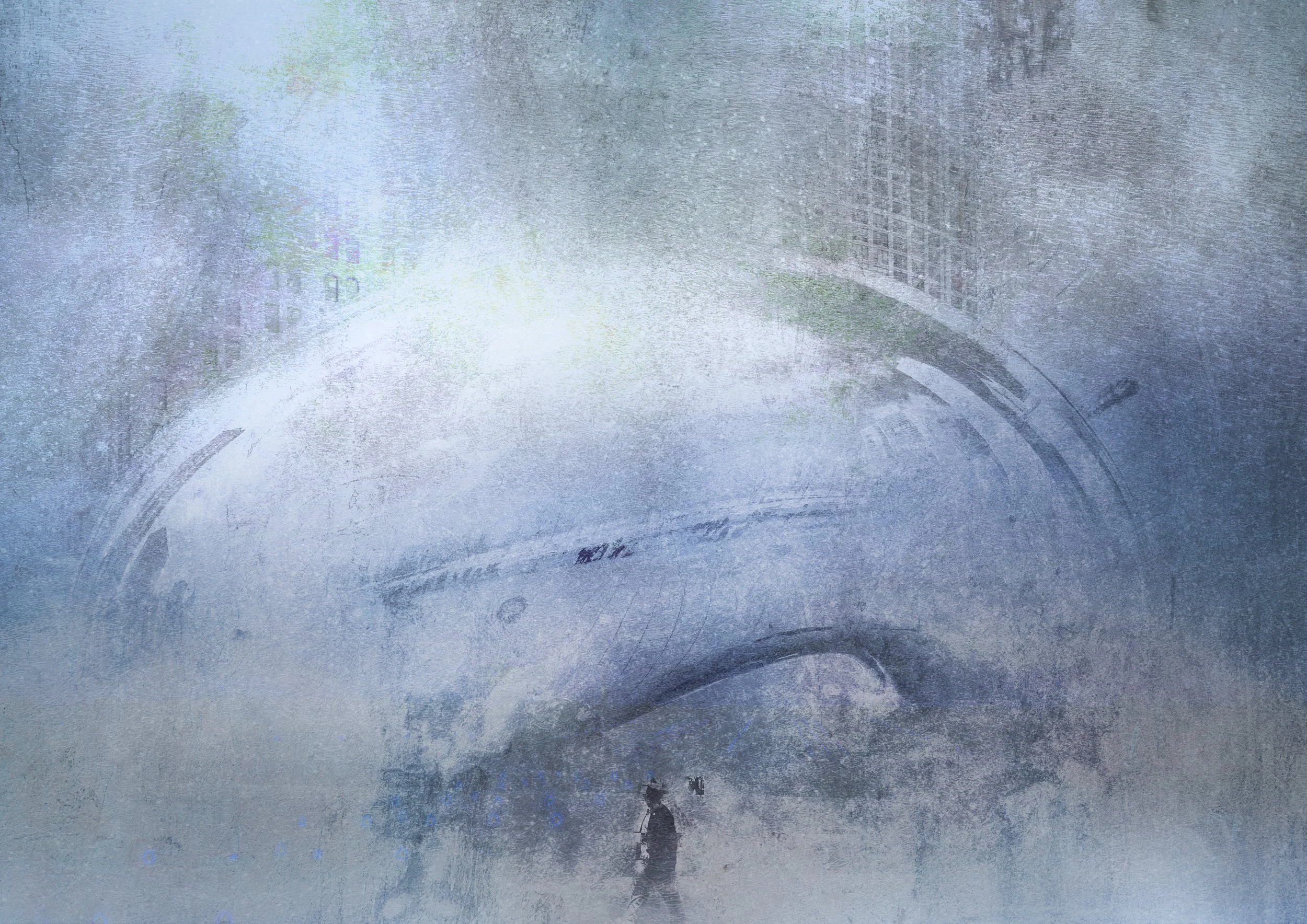
Cloud Gate emerges through layered light, texture, and urban haze. Its reflective mass remains recognizable while dissolving into surrounding matter, shifting between monument, surface, memory, and atmospheric presence within Chicago.
Chicago
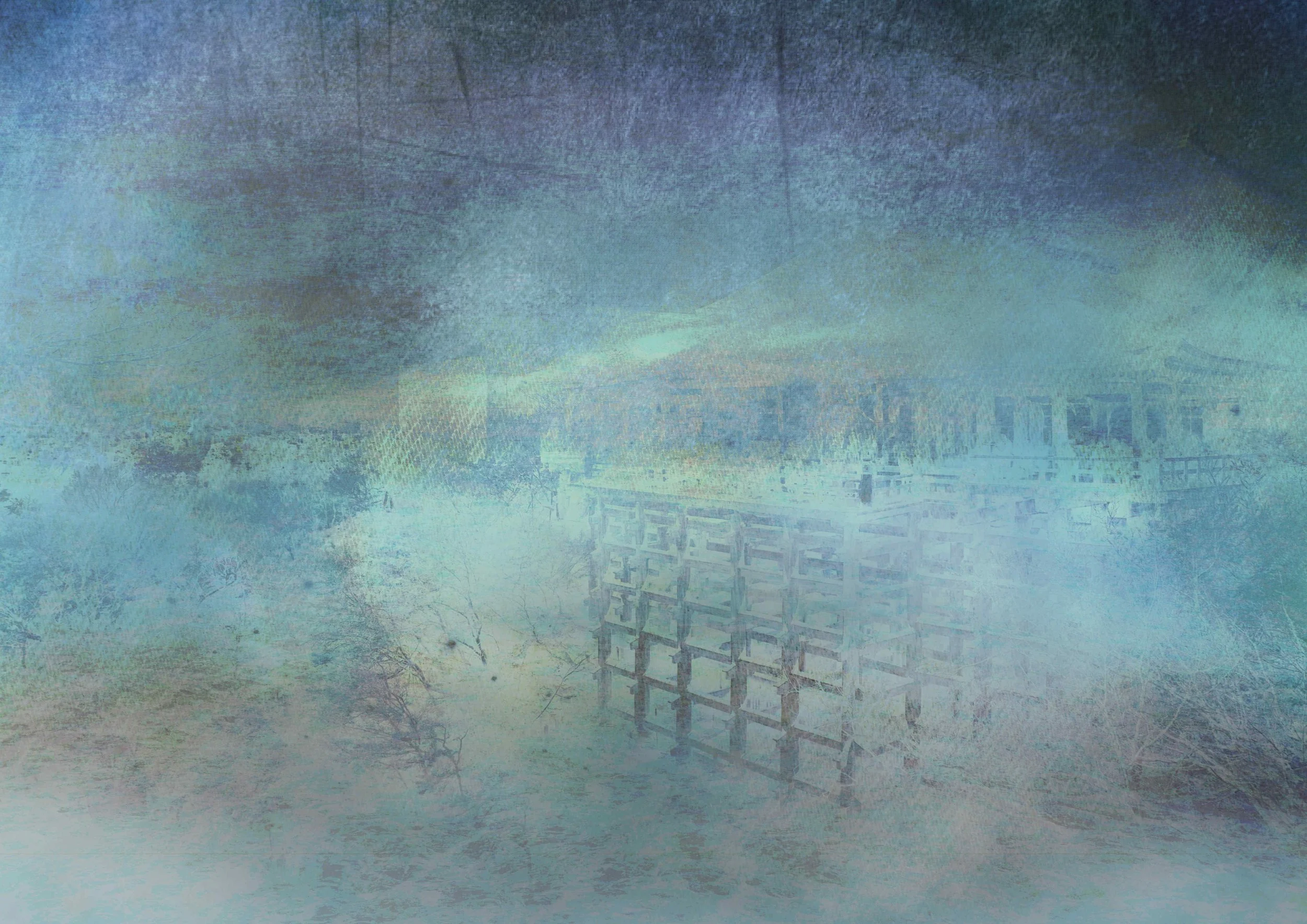
Kiyomizu Temple appears suspended within pale mineral layers. Architecture remains visible yet unstable, dissolving into light and texture until place, memory, atmosphere, and matter occupy one continuous surface without separation.
Kiyomizu
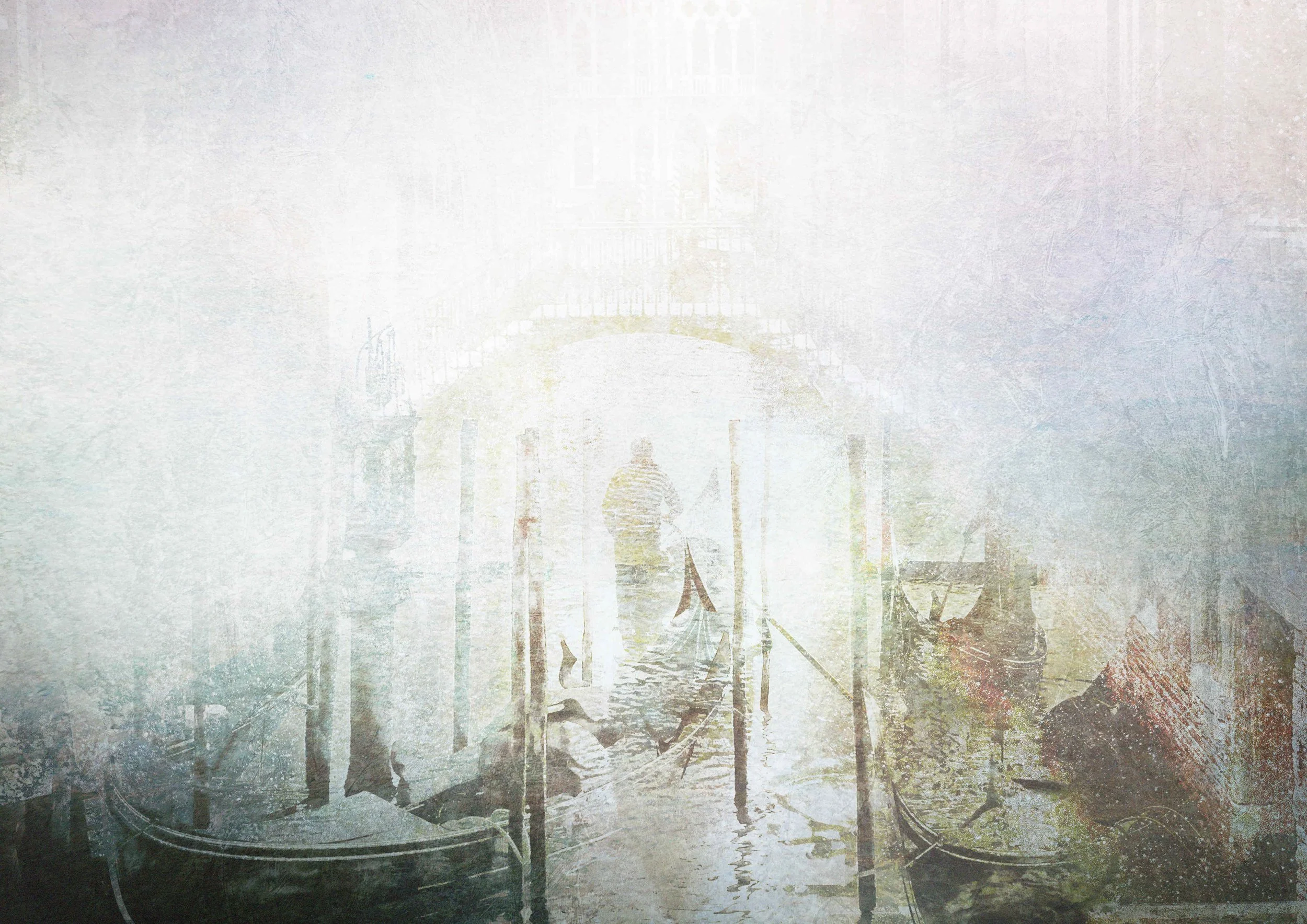
Venice emerges through ochre, green, and weathered mineral layers. Arches, poles, gondolas, and water remain identifiable while gradually merging, turning the city into a field of accumulated matter and memory.
Venice
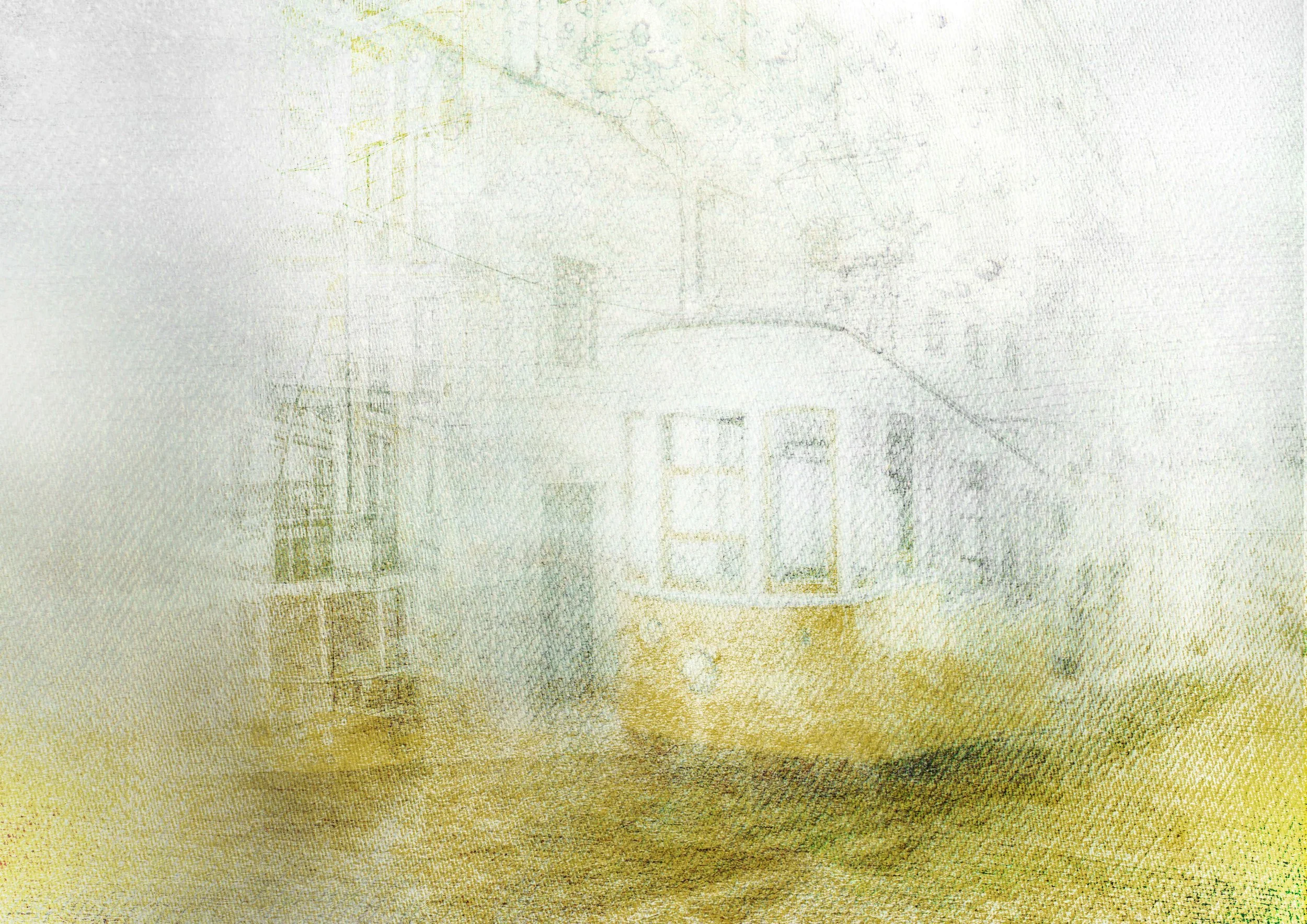
Lisbon appears through a pale field of mineral texture, where yellow trams, streets, and facades remain visible but partially dissolve, leaving the city suspended between recognition and abstraction and light.
Lisbon
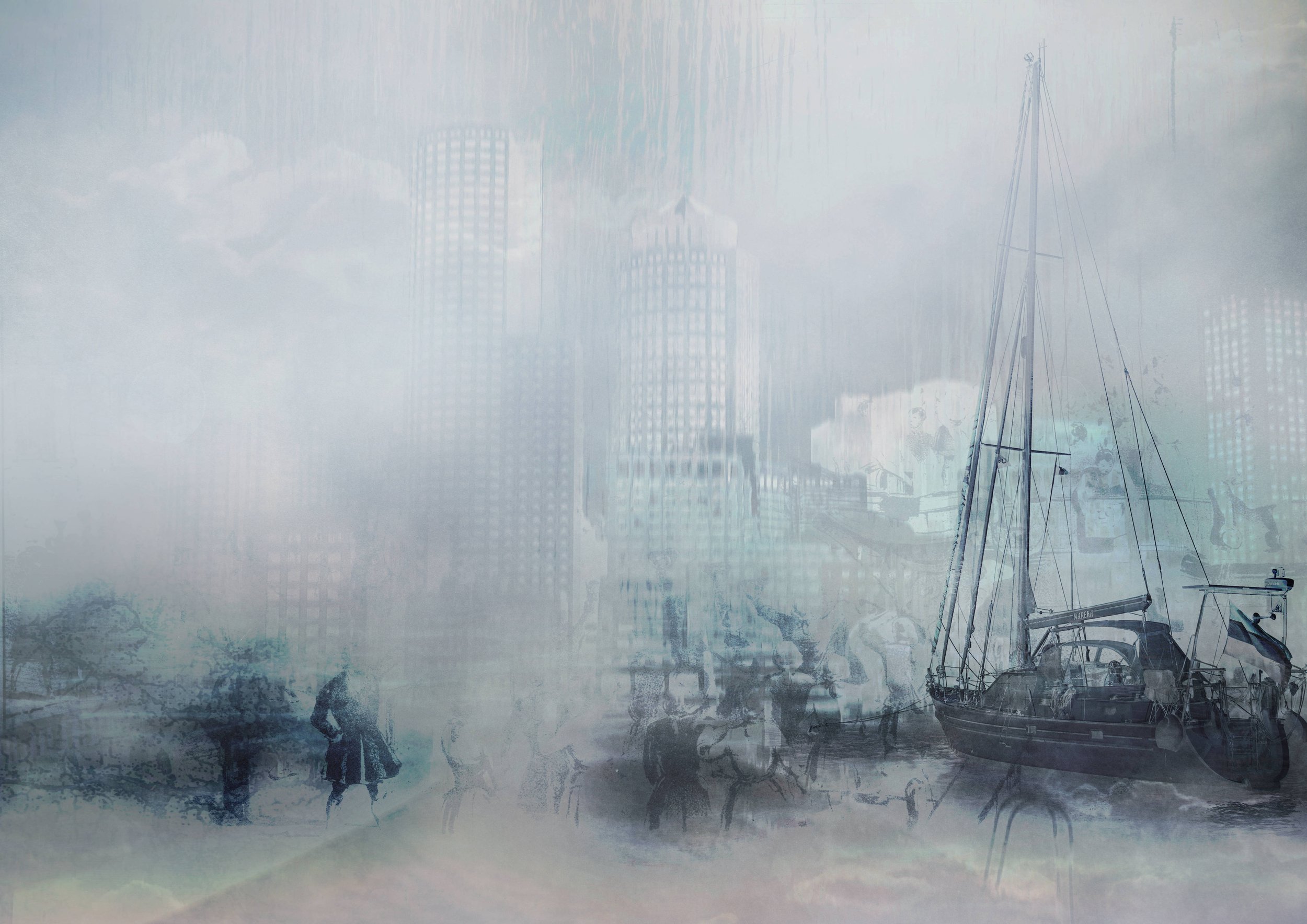
Boston Harbor appears suspended between present and past: a modern sailboat, a fading skyline, and ghostlike traces of the Boston Tea Party drifting through mist, where memory inhabits the city.
Boston
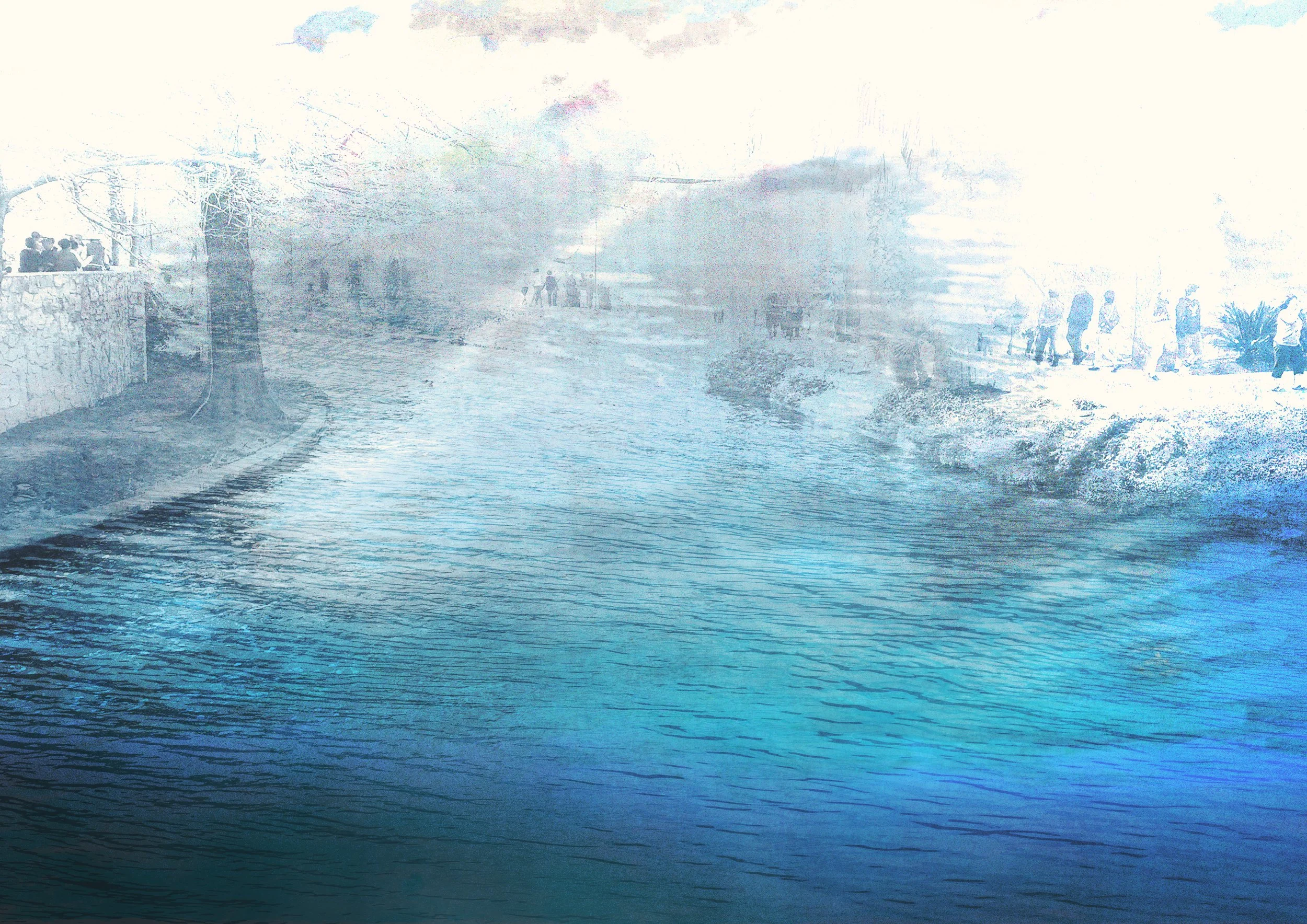
San Antonio exists in several states at once. The city dissolves into light above, reflections unsettle the surface, while deep blue water below preserves a denser, more persistent memory itself.
San Antonio
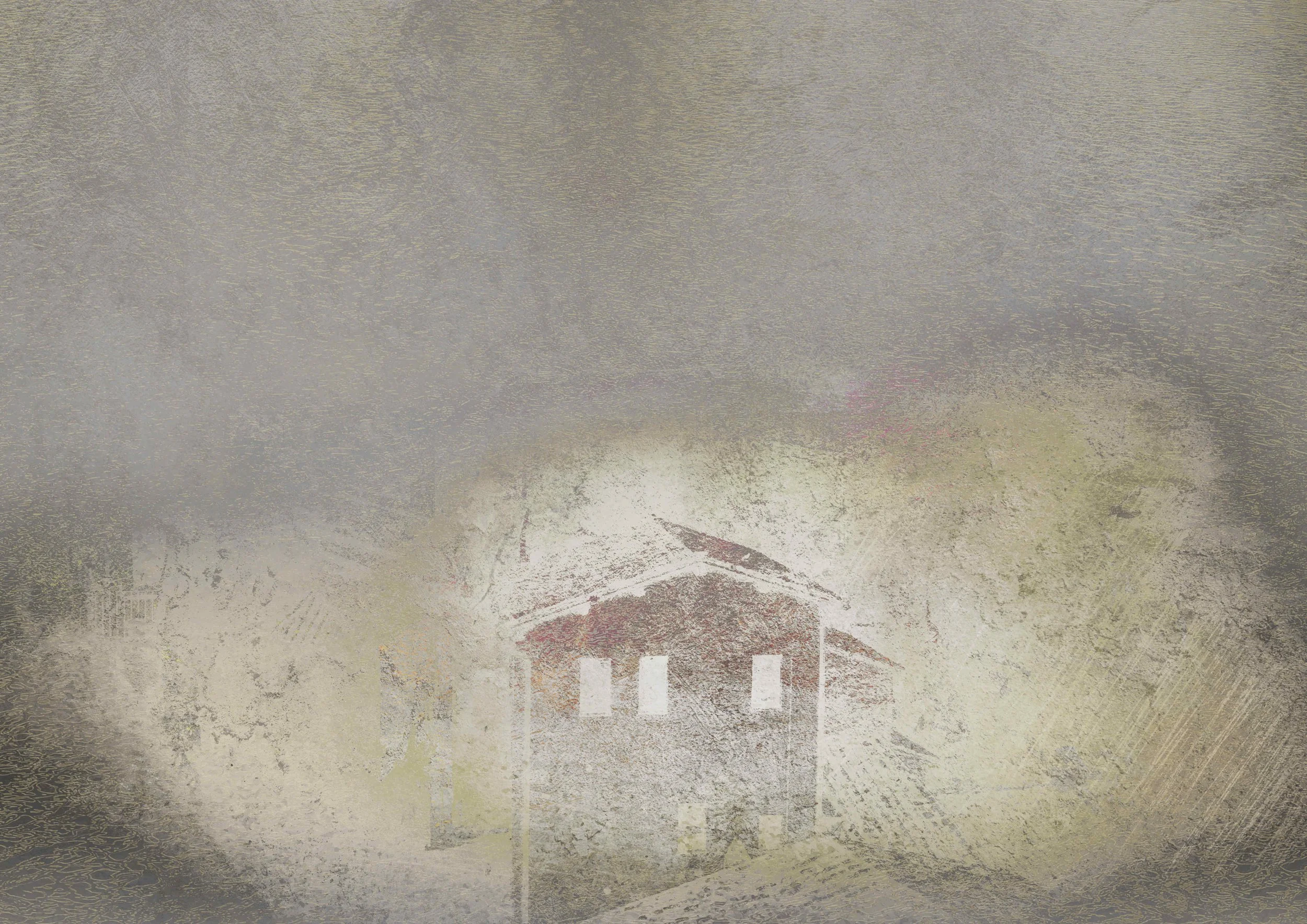
Tuscany survives as a fragment of memory. The house remains visible while its surroundings dissolve, leaving ground, distance, and gravity uncertain as only selected details continue to resist complete disappearance.
Tuscany
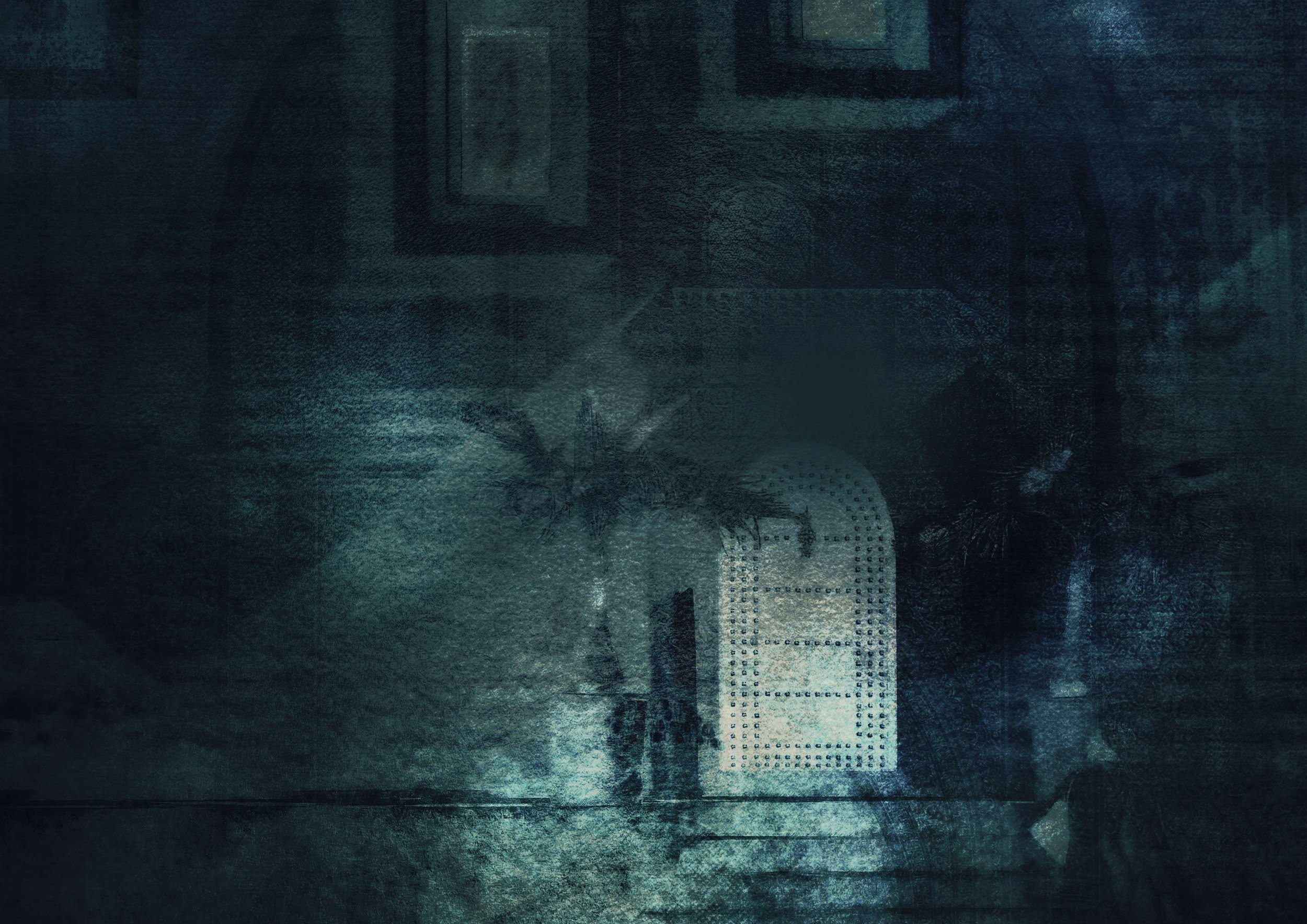
A door to memory remains visible but locked. Beyond it, certain memories should exist, yet no key remains. Is this a city, a phantom, or memory made visible before us?
Marakesh
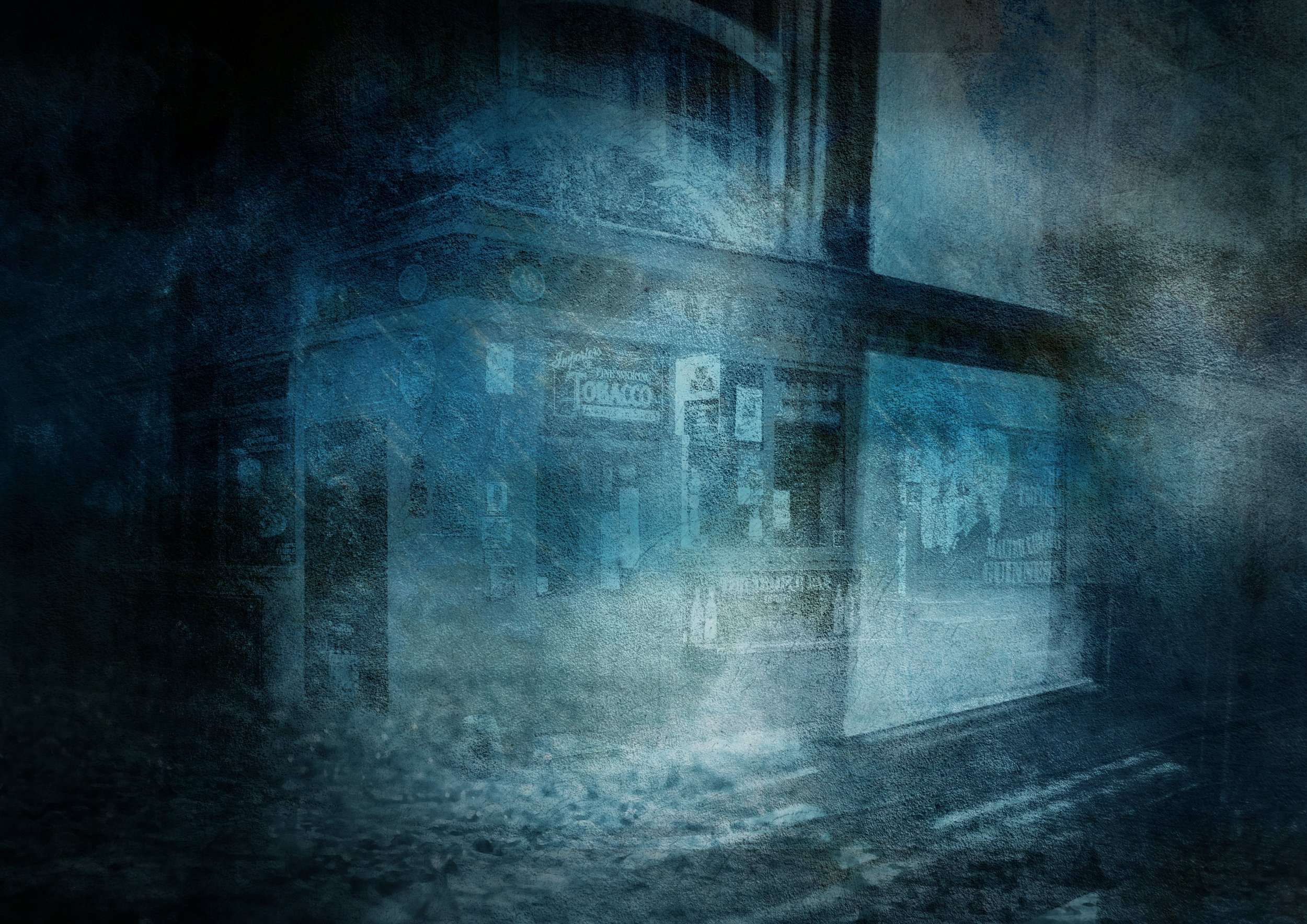
Rain falls across a Dublin pub until weather and architecture begin to merge. Reflections, darkness, and wet surfaces dissolve the boundary between natural phenomenon and the constructed city around it.
Dublin
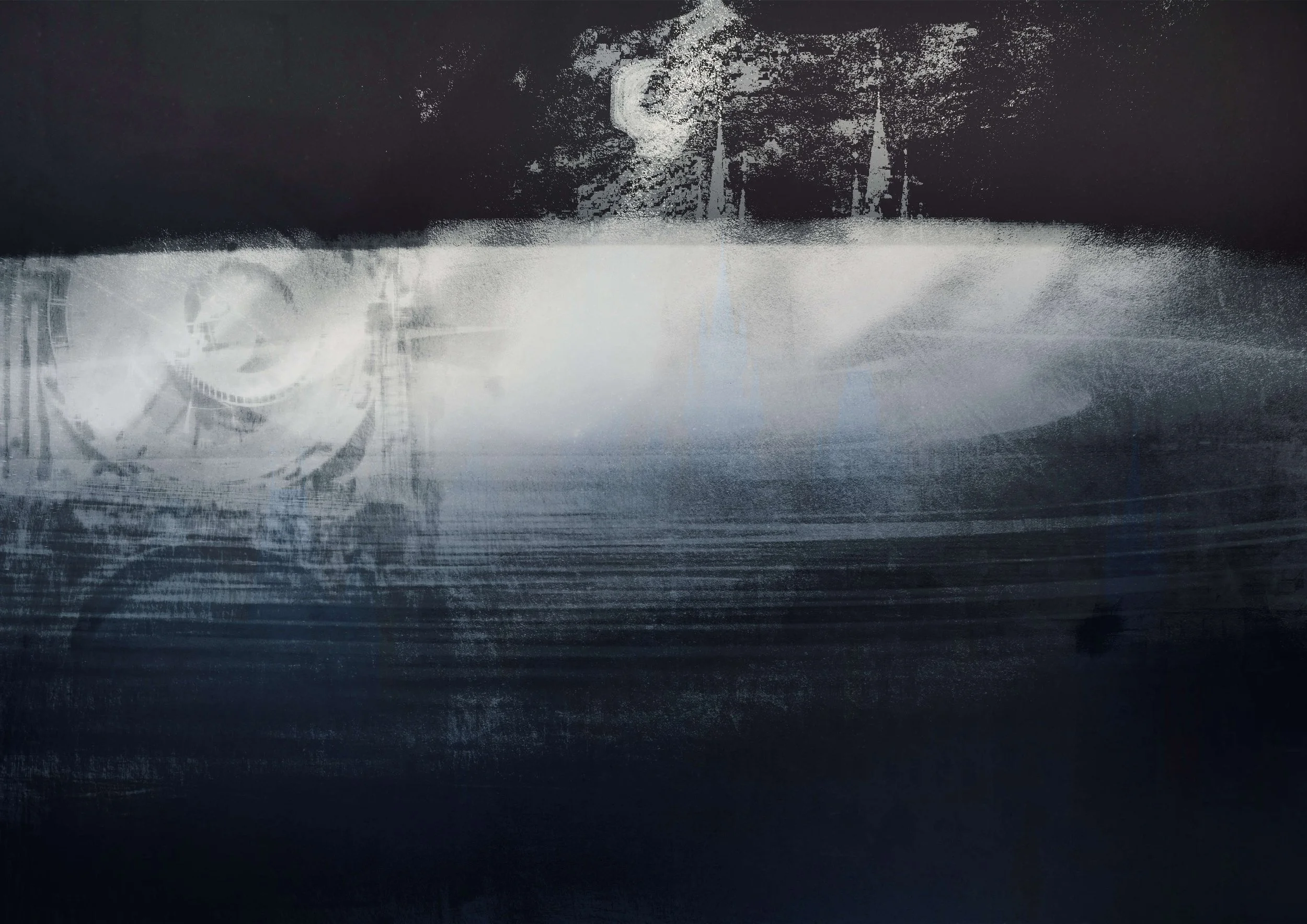
Prague survives as two fragments at the edge of memory: a clock and a spire. Neither is fully present; both remain faint, distant, and suspended after the city itself fades.
Prague
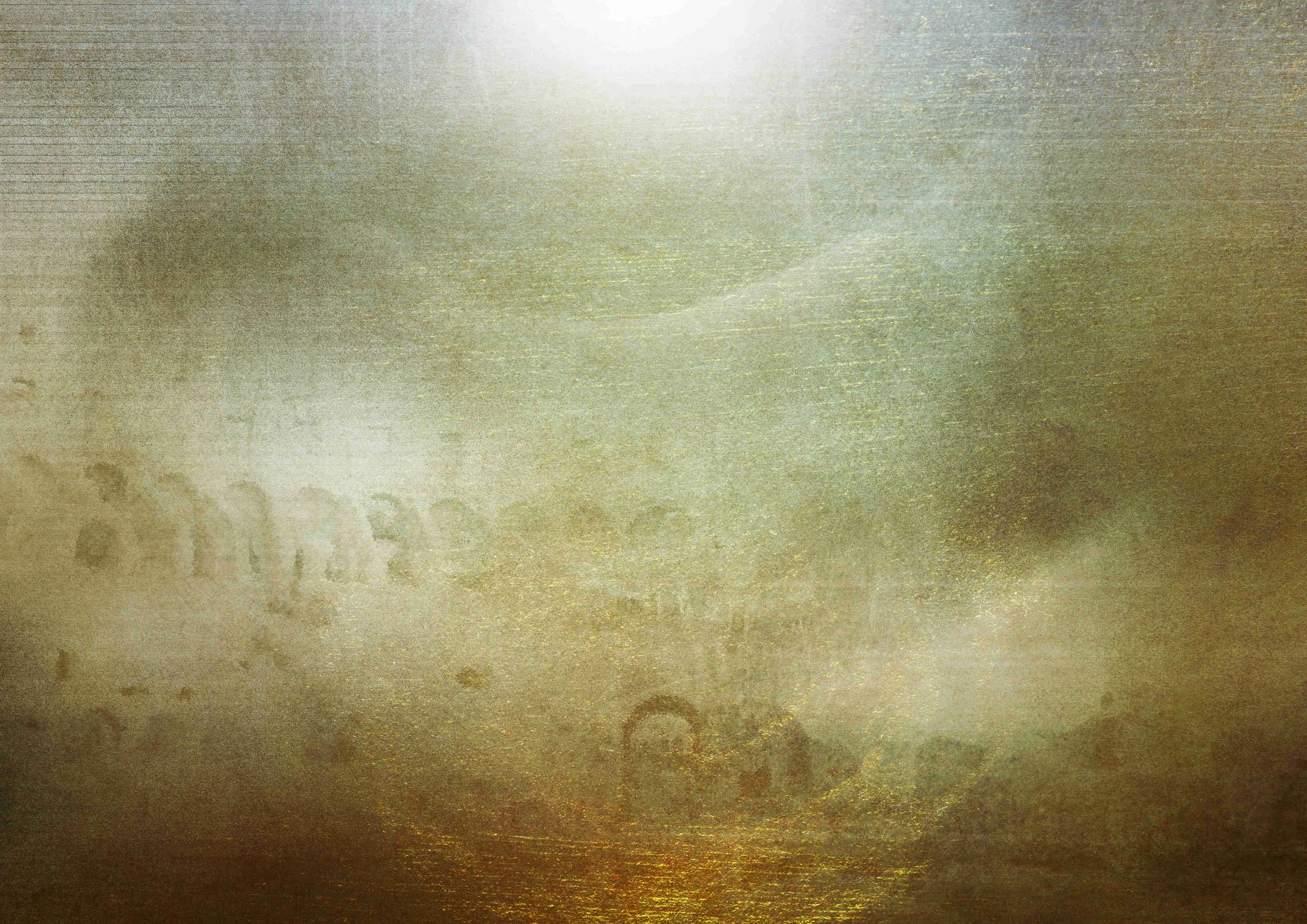
A structure built from stone gradually loses its form over time, returning to its original state as natural mineral matter. The work explores the moment when the boundary between architecture and geology begins to dissolve.
Rome
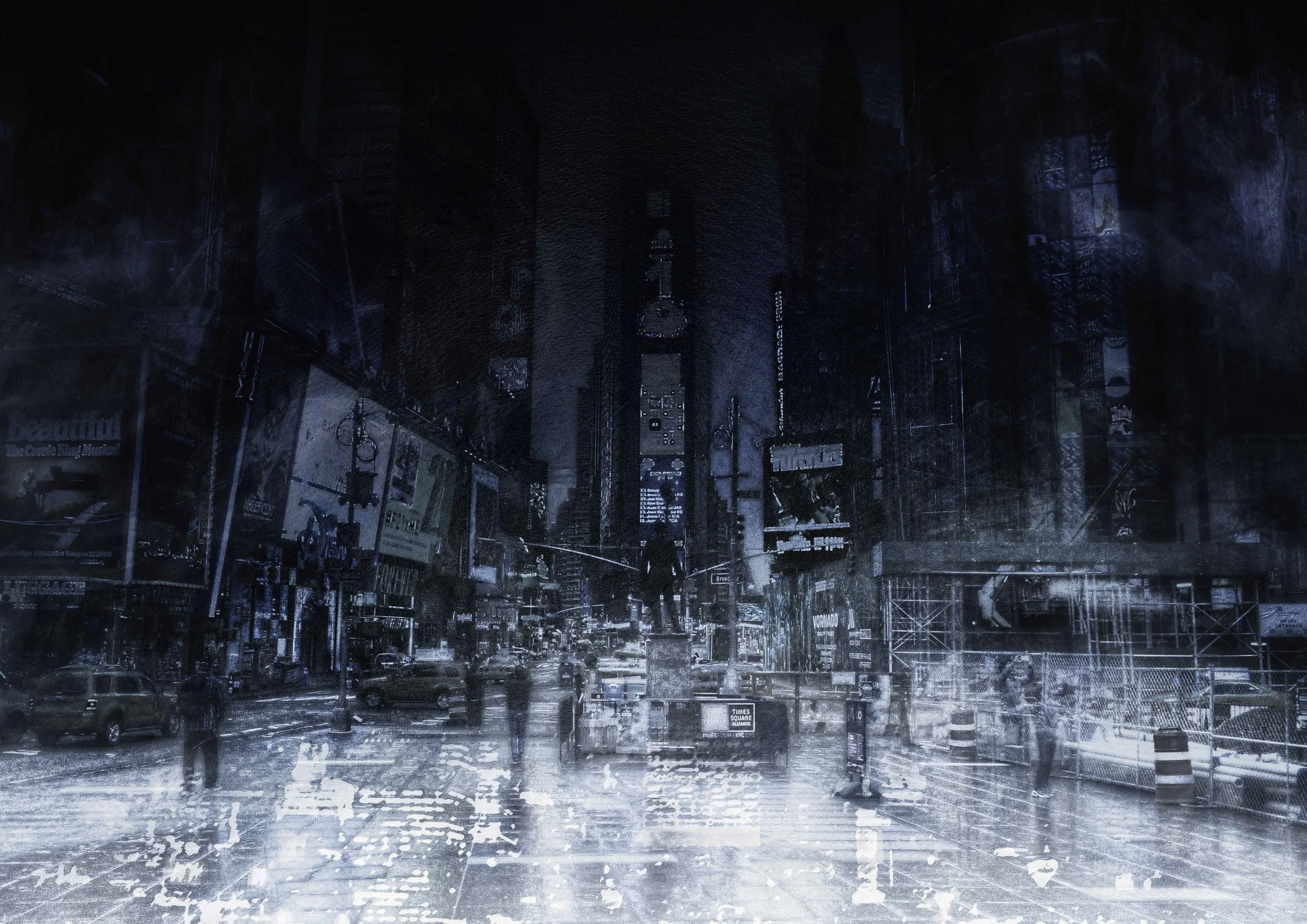
Two opposing views of New York merge beneath a continuous atmospheric layer. From afar, the city becomes abstraction; up close, buildings emerge, revealing conflicting perspectives folded into a single space.
NYC
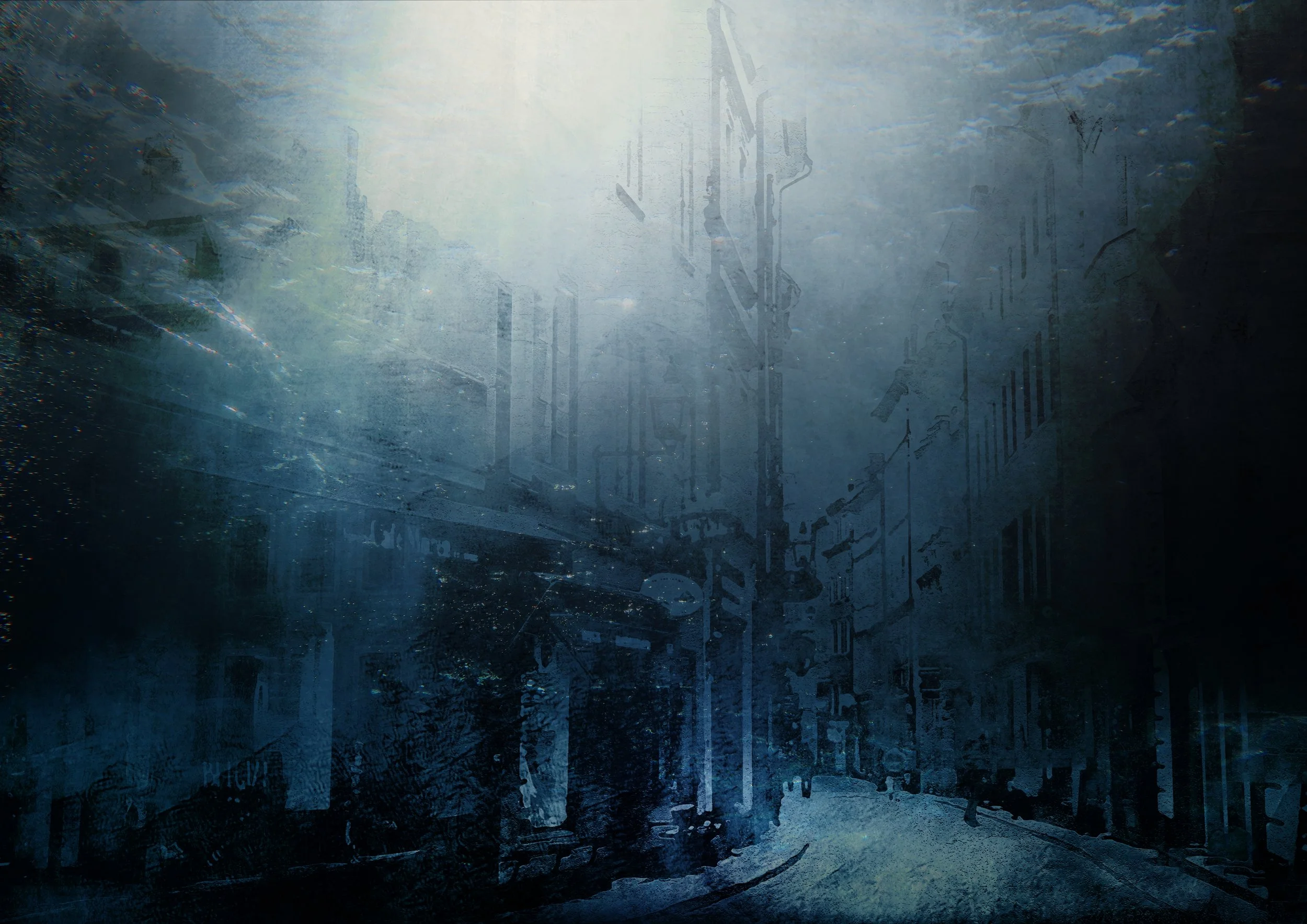
Stockholm merges two streets and two moments of memory. Light passes through buildings, while details gain or lose weight, allowing separate days and places to coexist within one remembered scene.
Stockholm
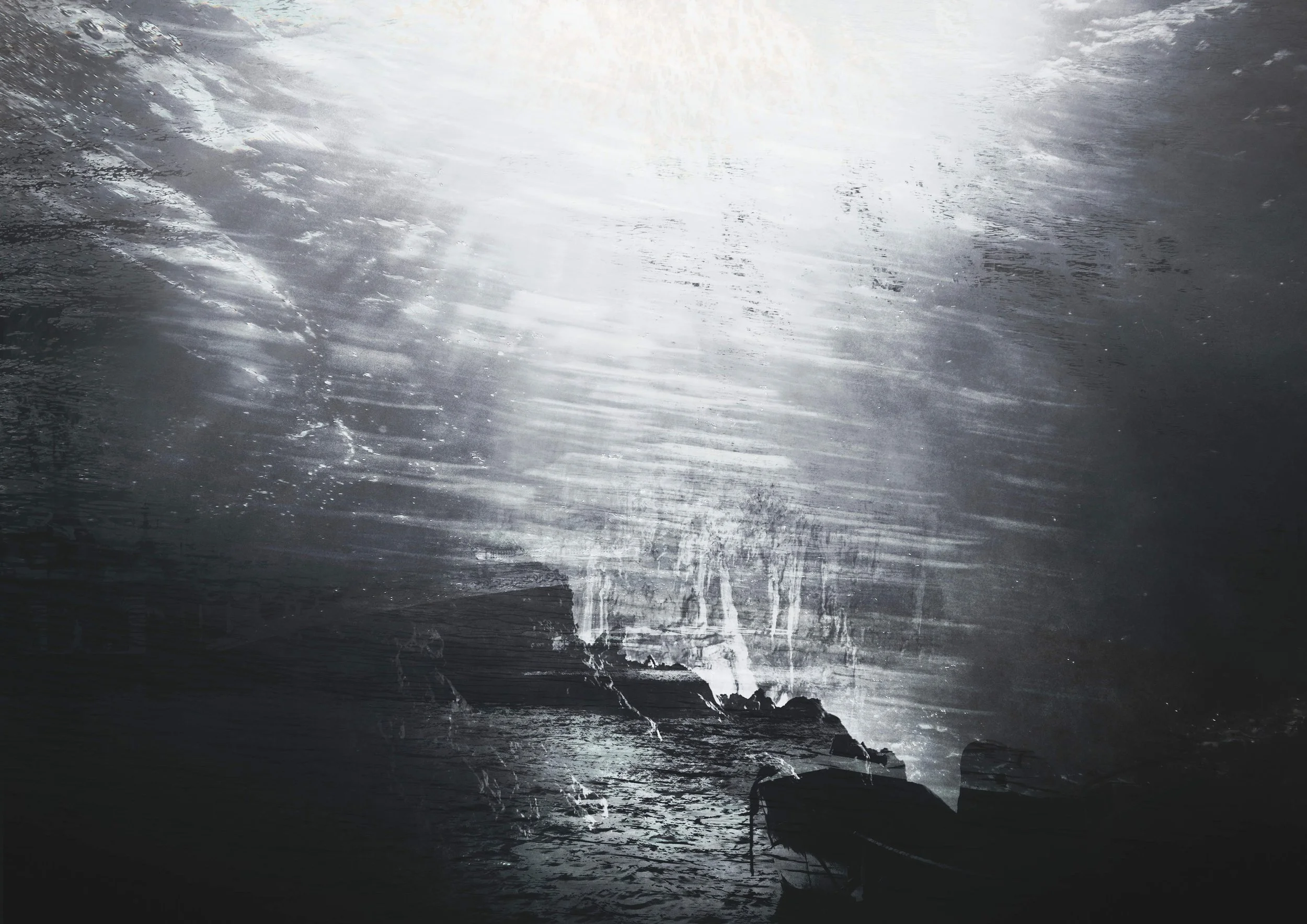
Pont Alexandre III appears unstable, almost collapsing, as a forceful light descends like lightning. Nature does not illuminate the city; it confronts, penetrates, and unsettles its constructed order.
Paris
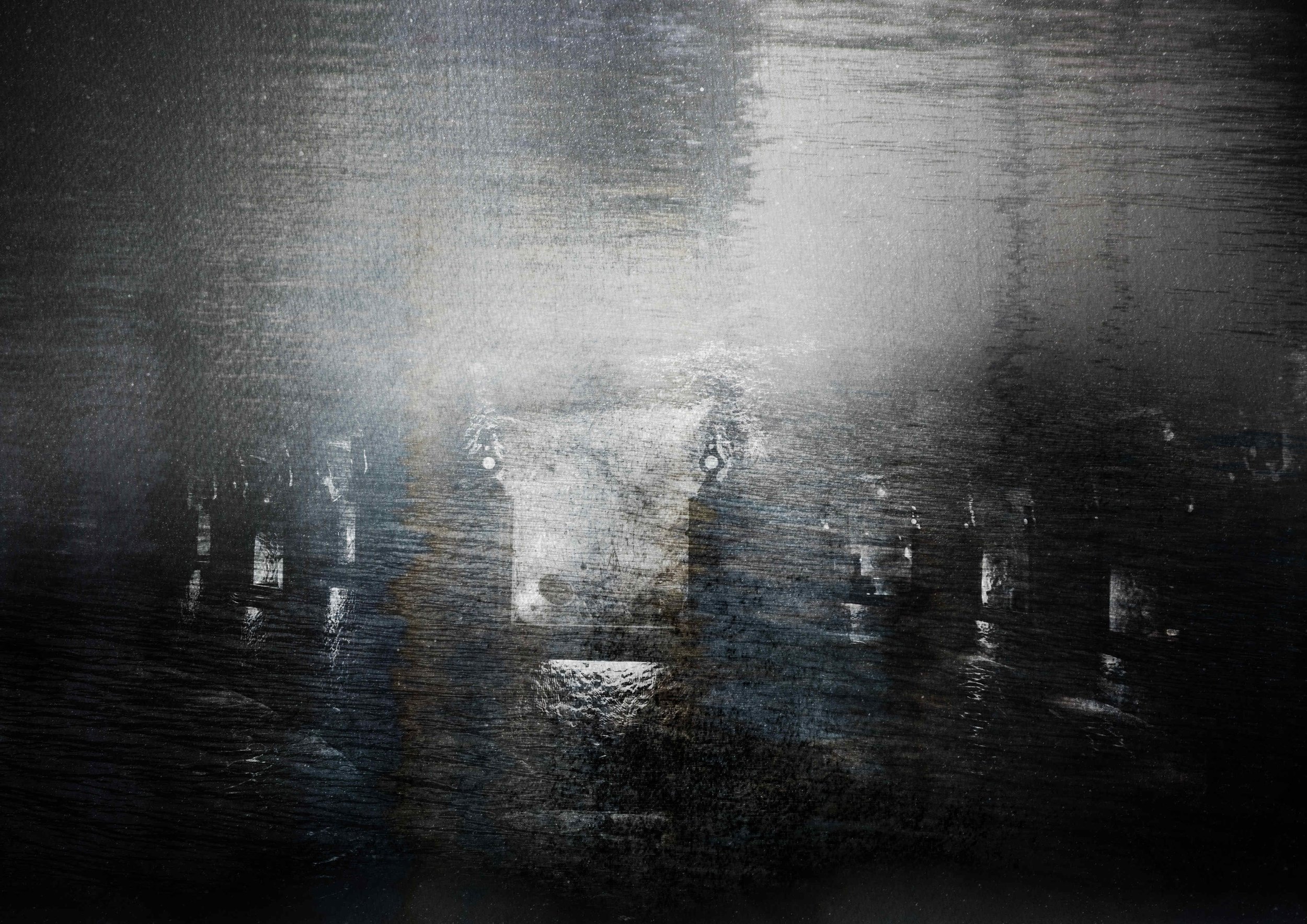
Surface light penetrates slowly beneath the earth, passing through matter until it reaches the depths. There, it rebounds, illuminating the underground from within and revealing a hidden continuity between worlds..
Kish Qanat
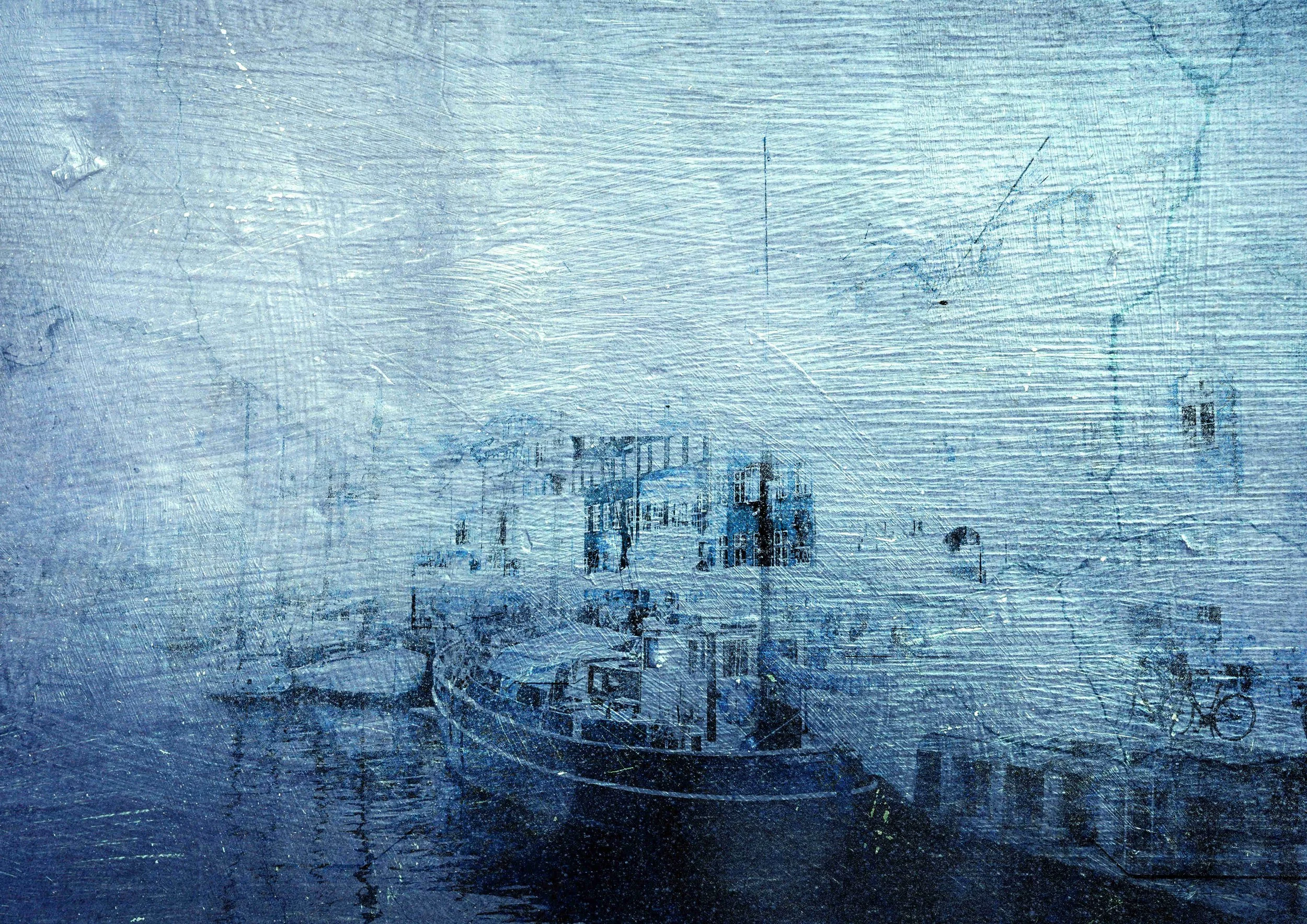
Copenhagen appears as a memory painted onto a wall, gradually peeling away. Buildings, boats, and water remain as fading traces while time erodes the surface that once held them.
Copenhagen
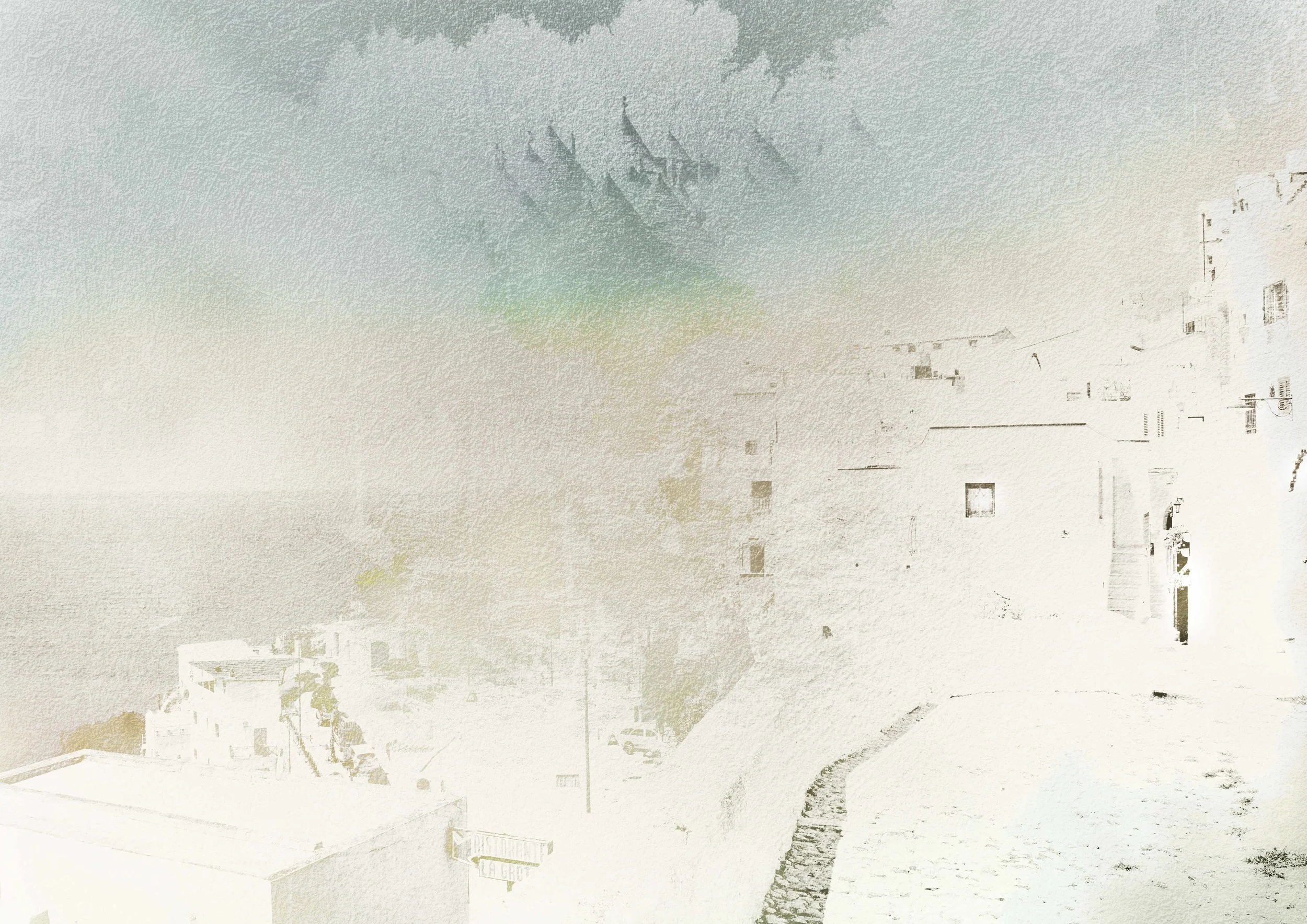
Puglia appears twice: one city dissolving into white, another suspended above it. The same place occupies two states at once, leaving uncertain which belongs to reality and which remains elsewhere.
Puglia
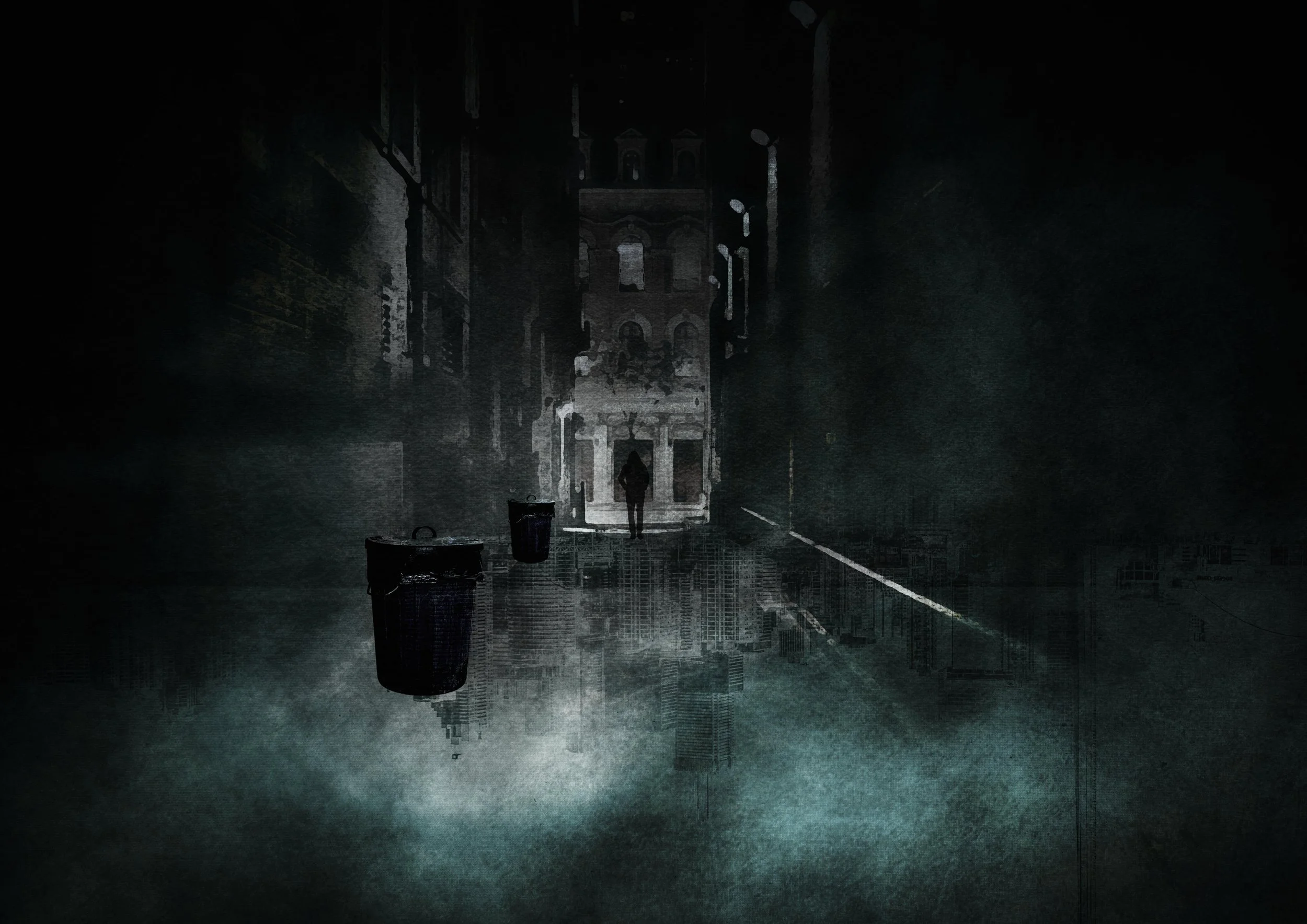
Toronto folds incompatible moments into a single space. A city appears reflected across an alley where no such view should exist, while floating objects suggest that time itself has twisted.